☰ 目次
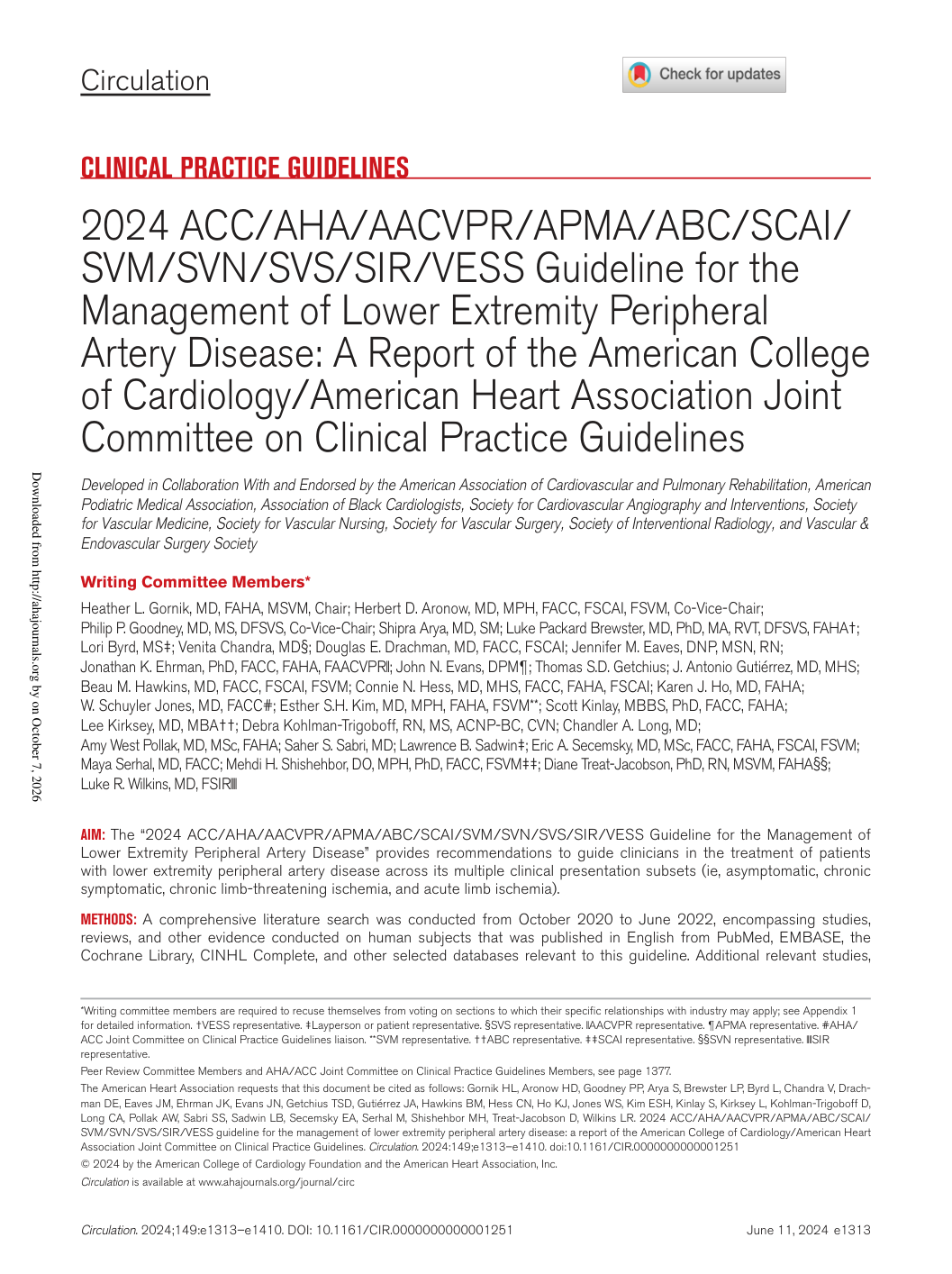
2024 ACC/AHA/AACVPR/APMA/ABC/SCAI/SVM/SVN/SVS/SIR/VESS Guideline for the Management of Lower Extremity Peripheral Artery Disease
ACC/AHA・2024・98 ページ · 弁膜症・大動脈・末梢・肺循環
目次 閉じる
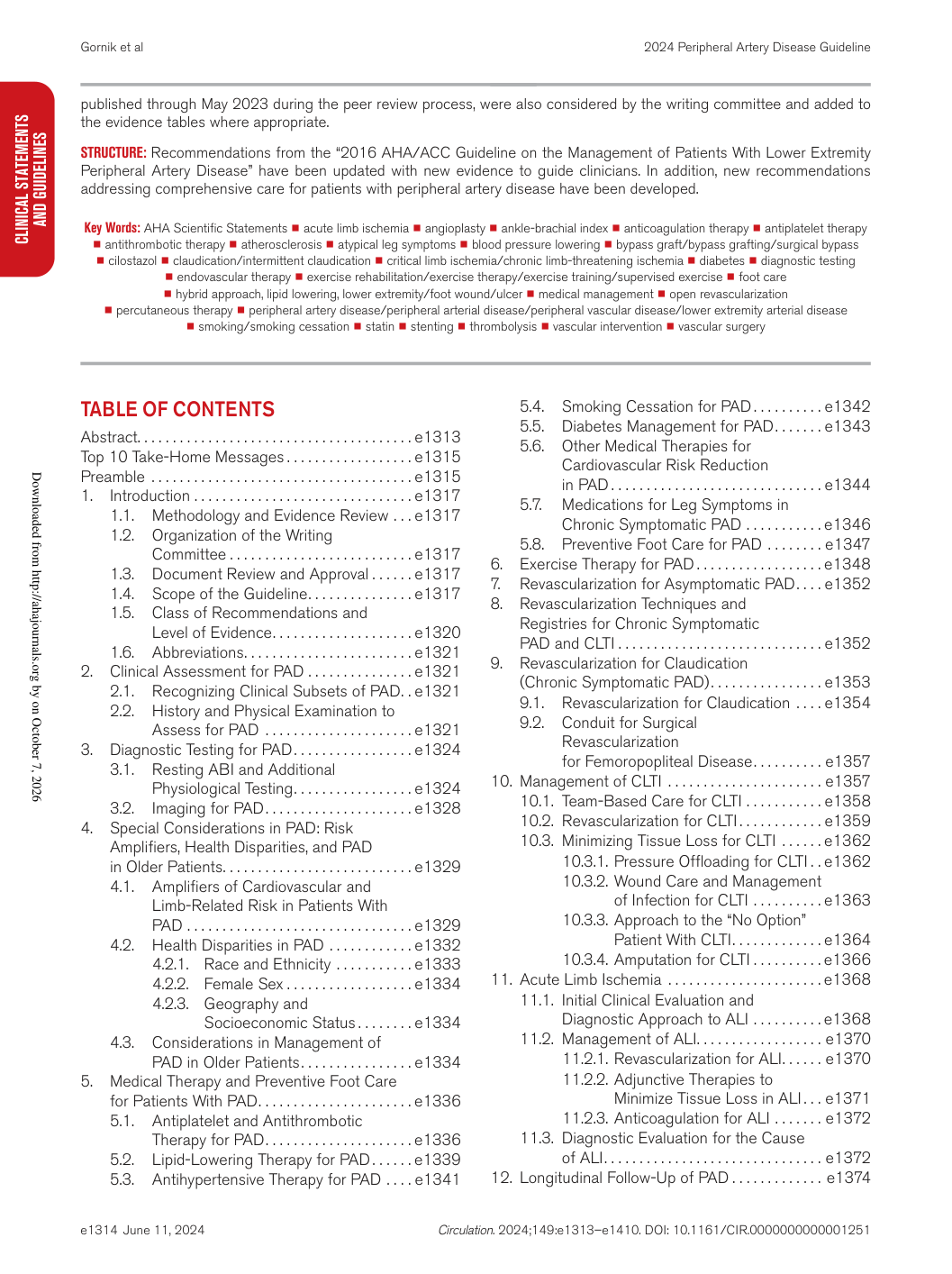
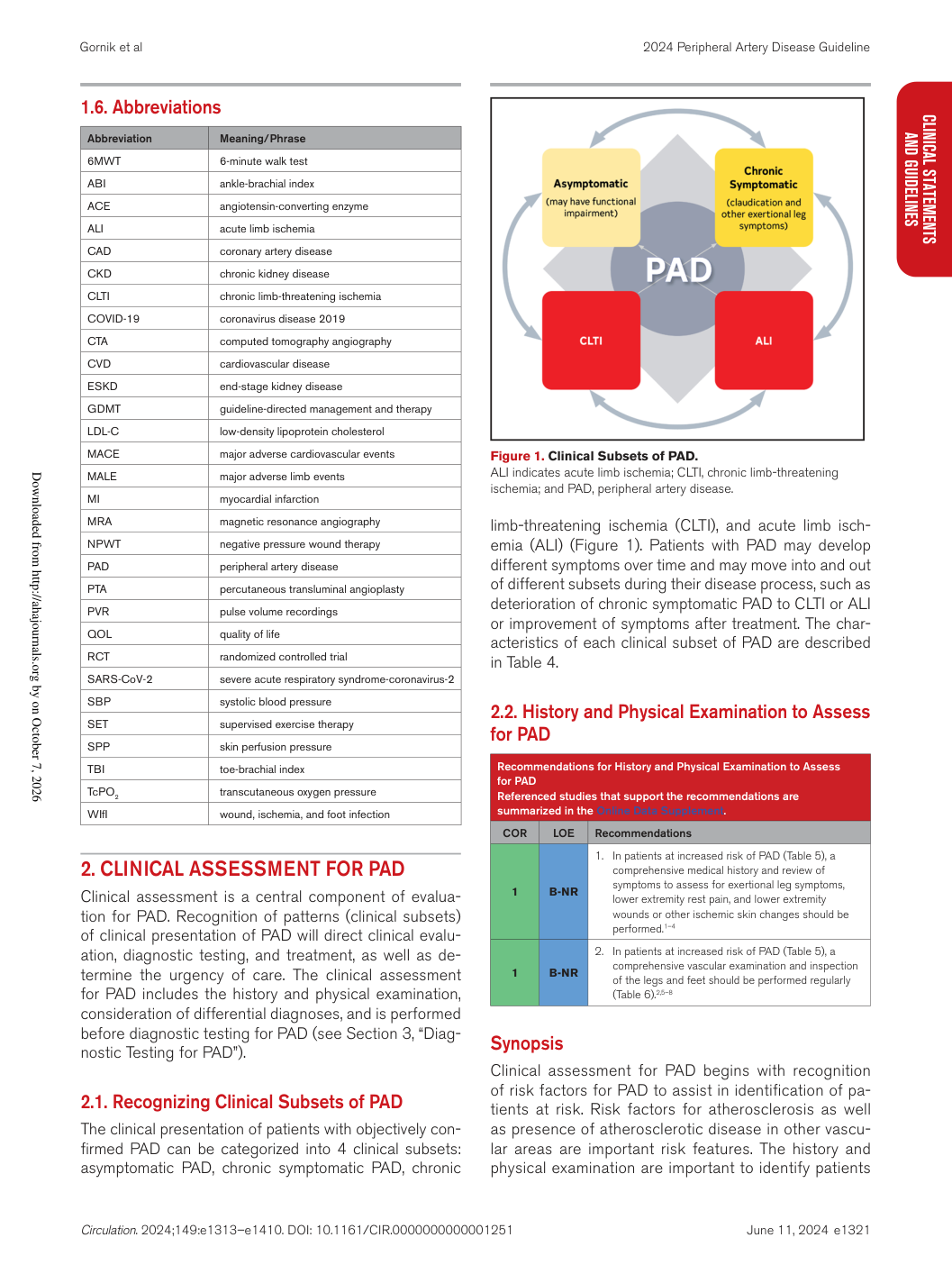
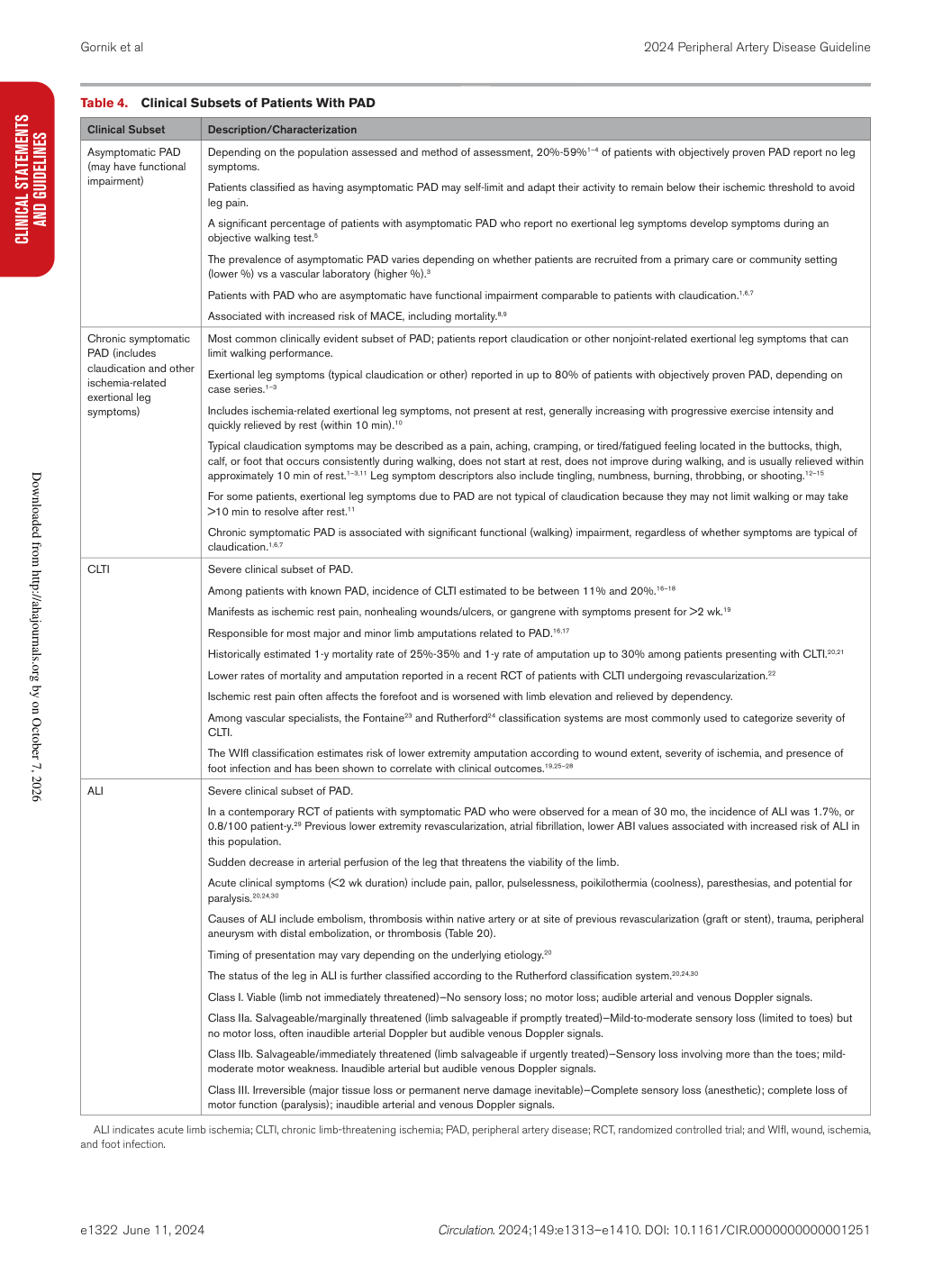
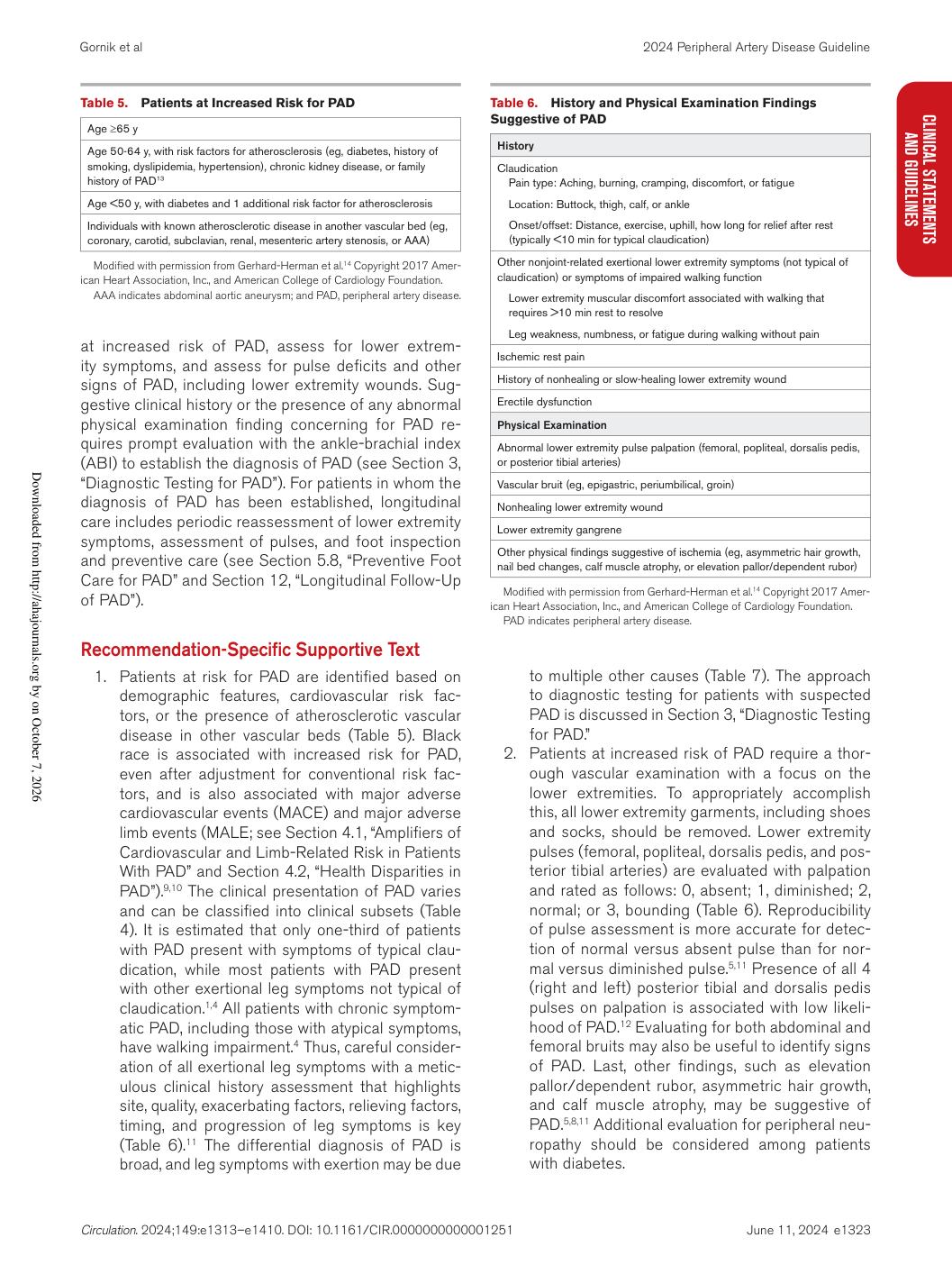
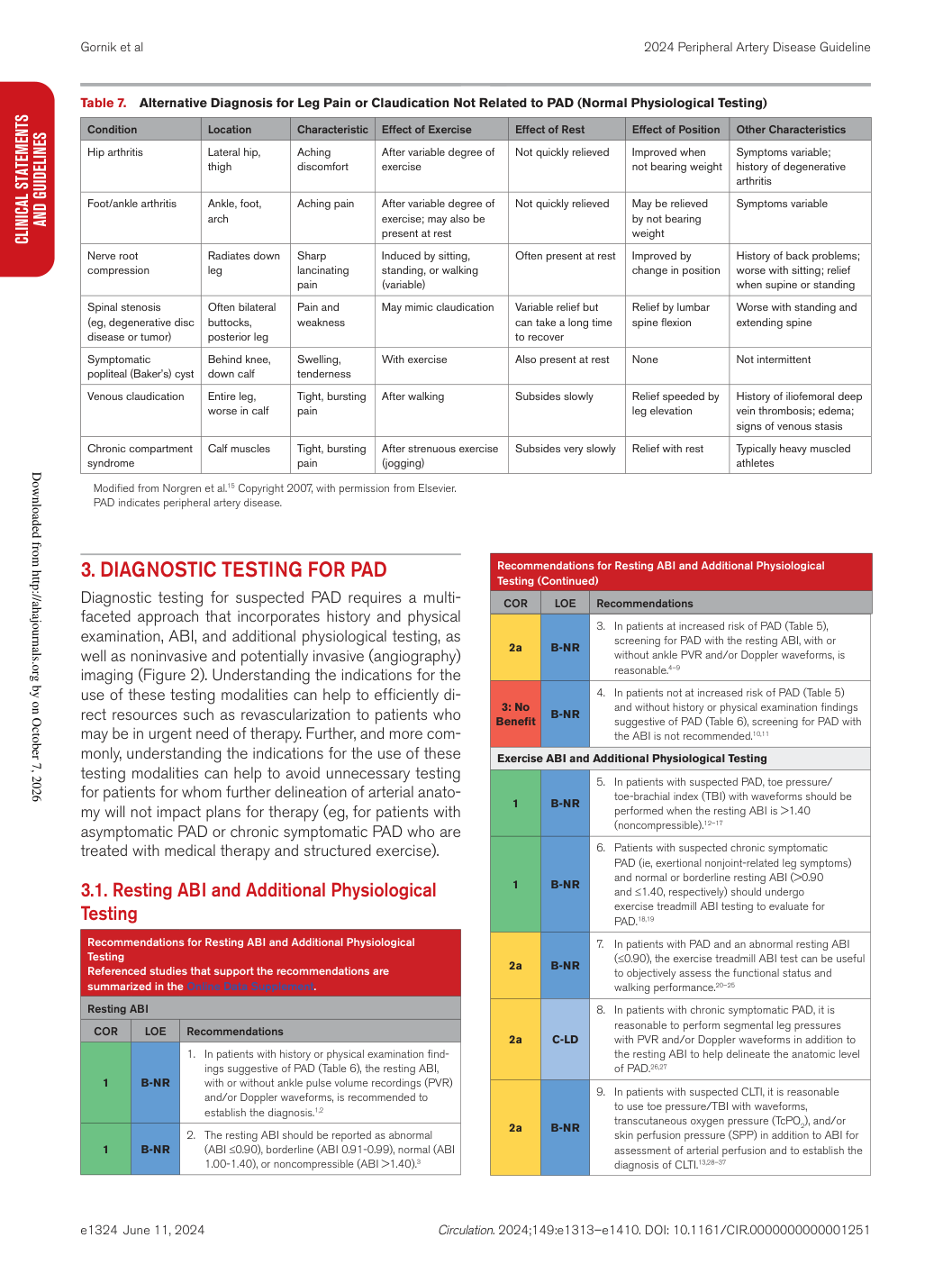
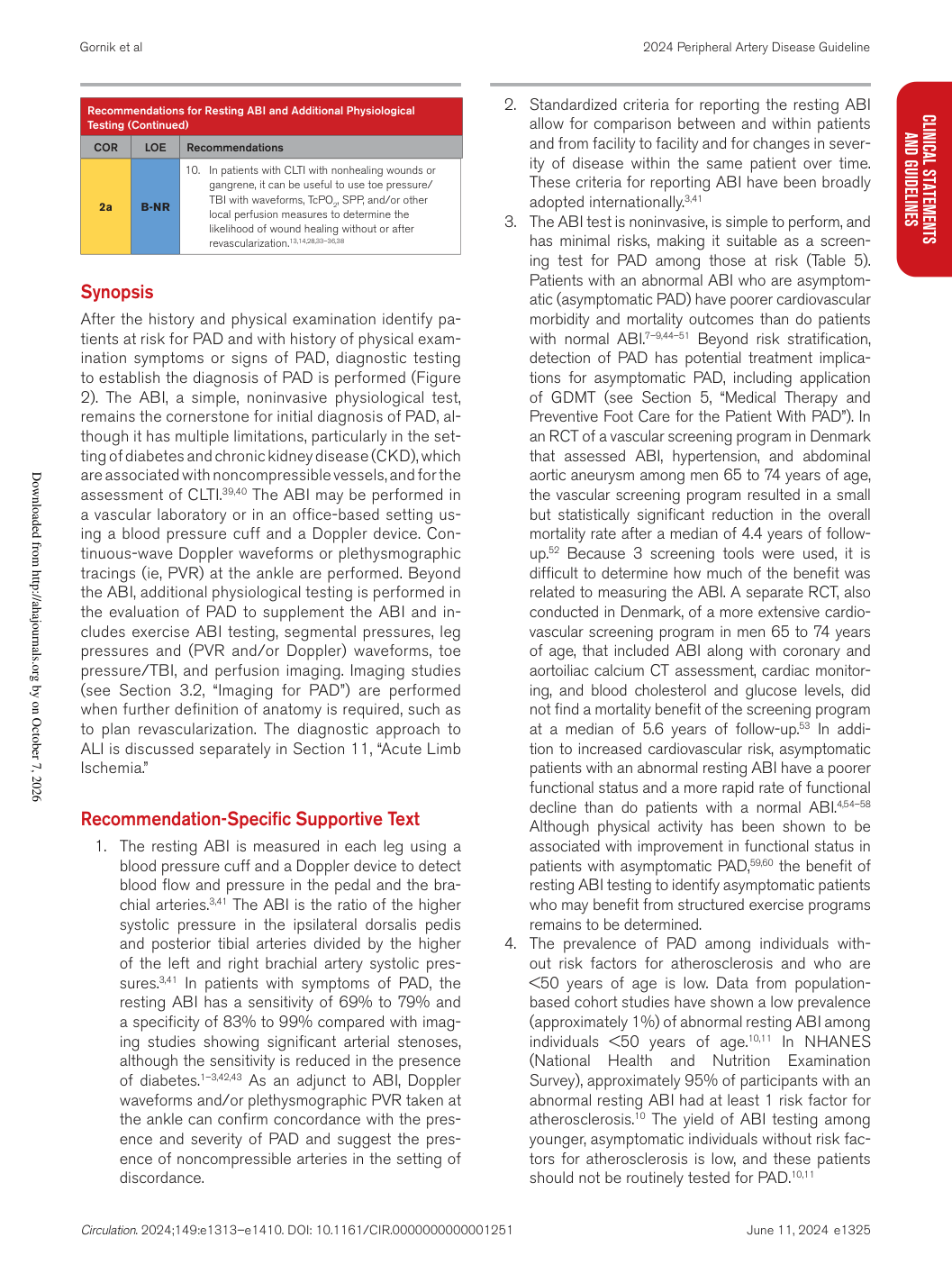
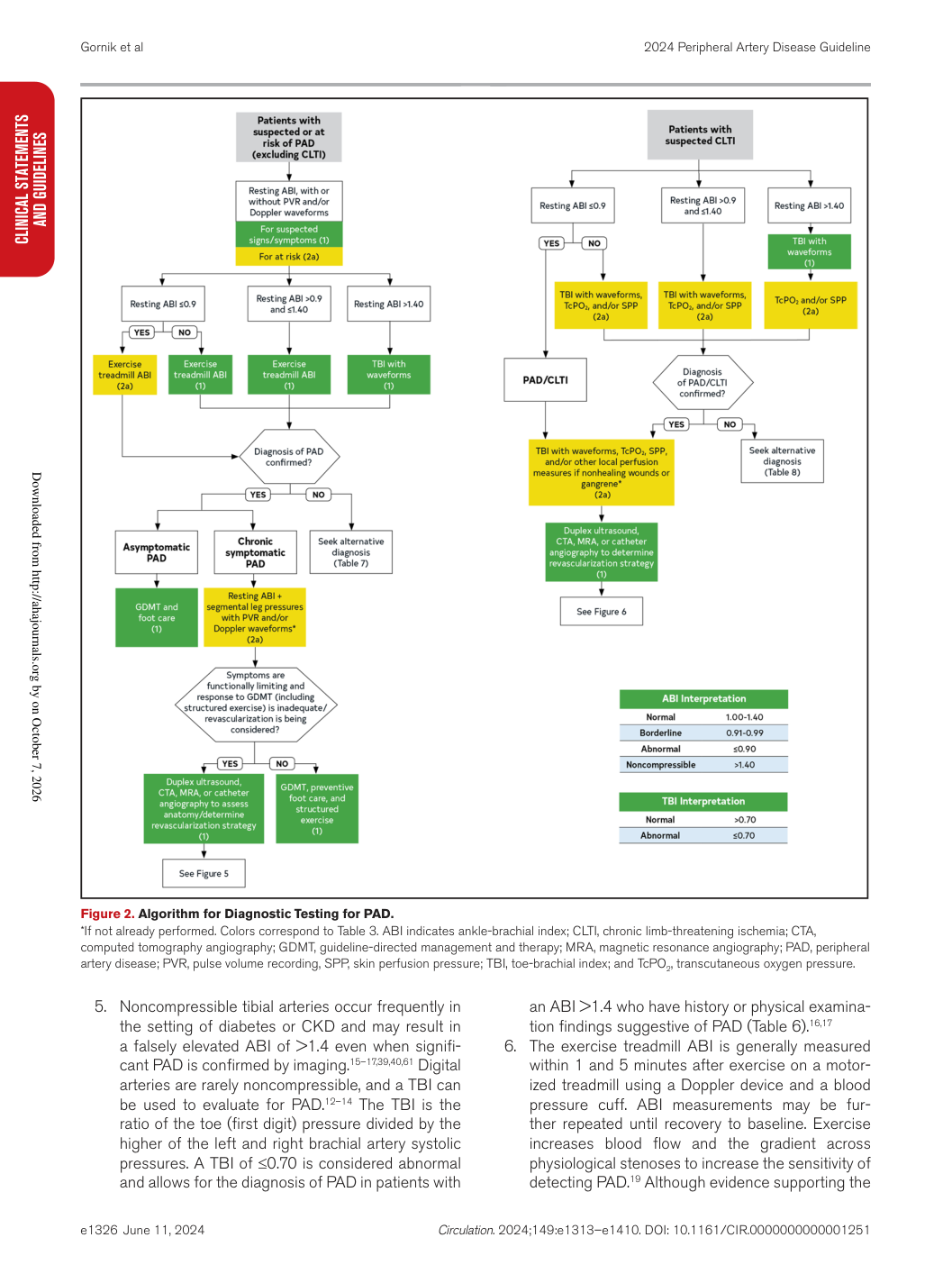
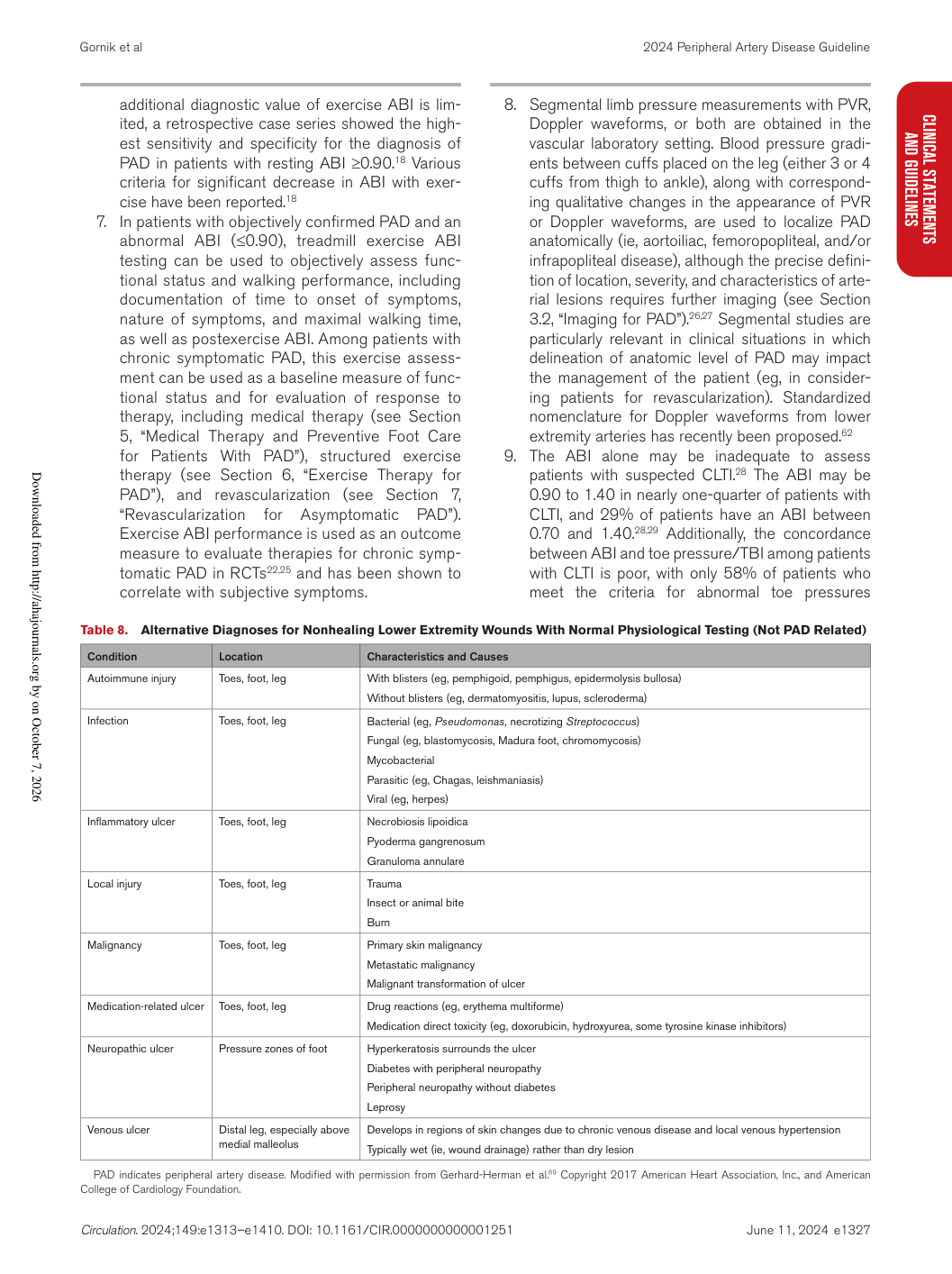
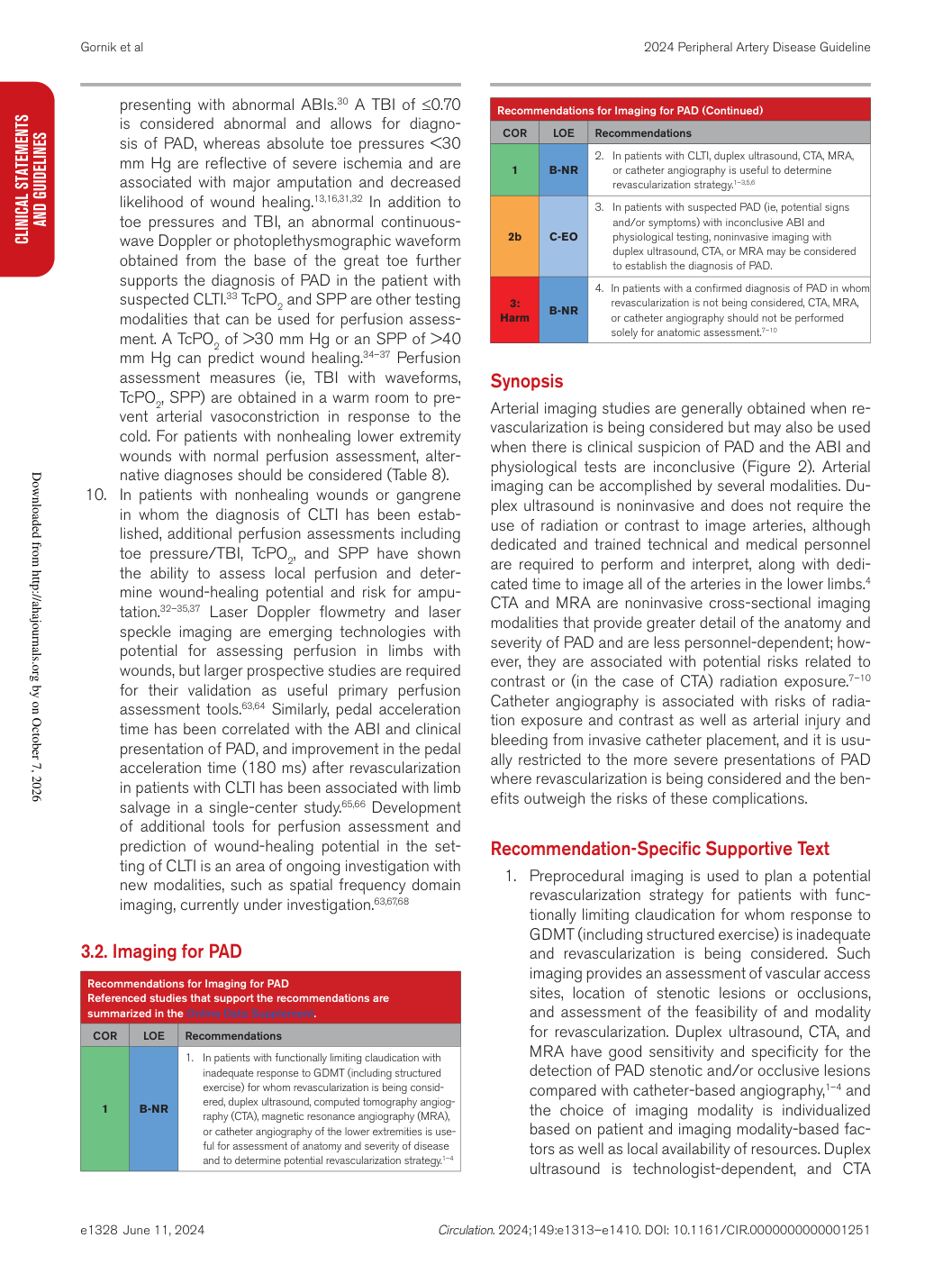
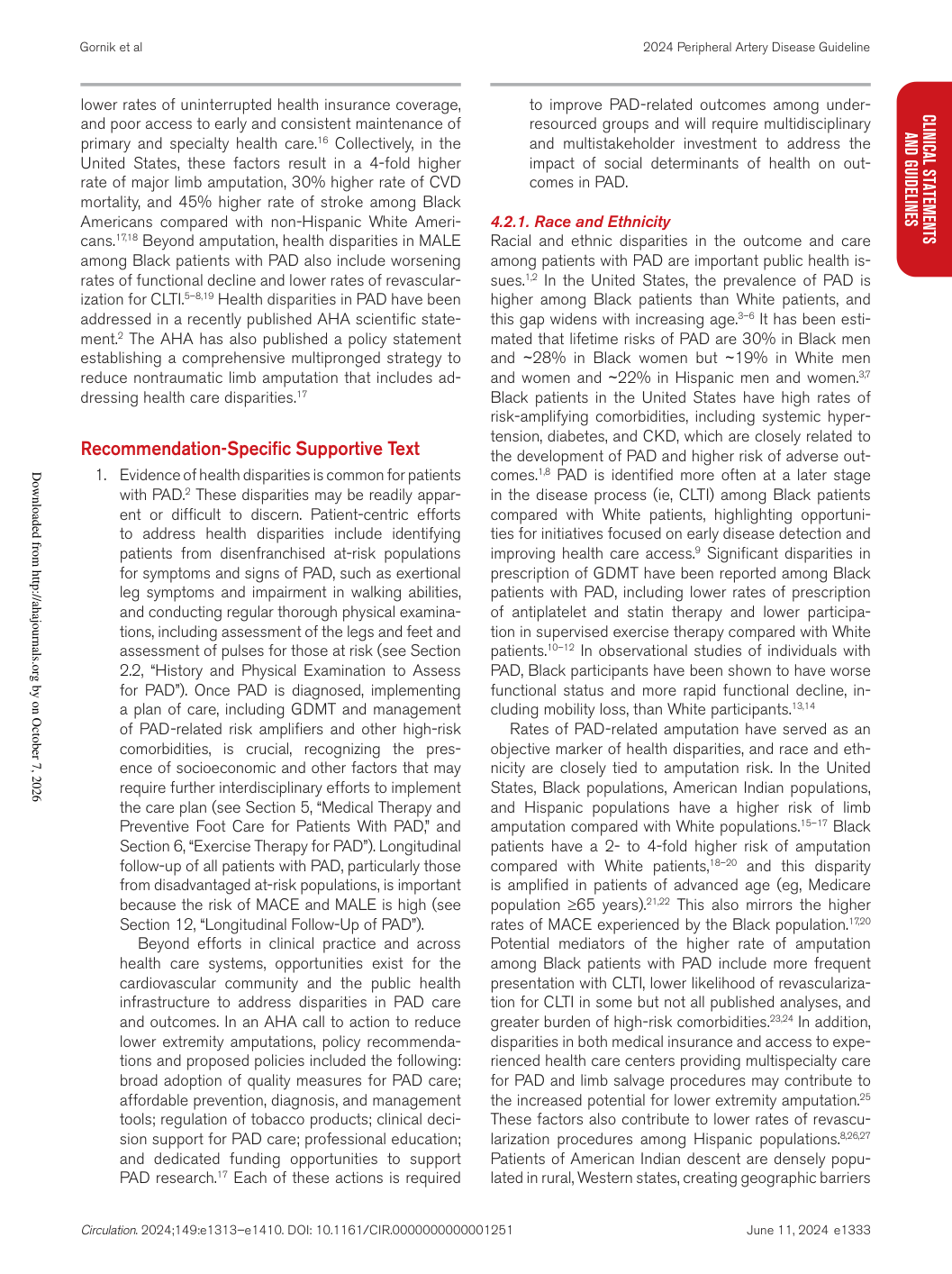
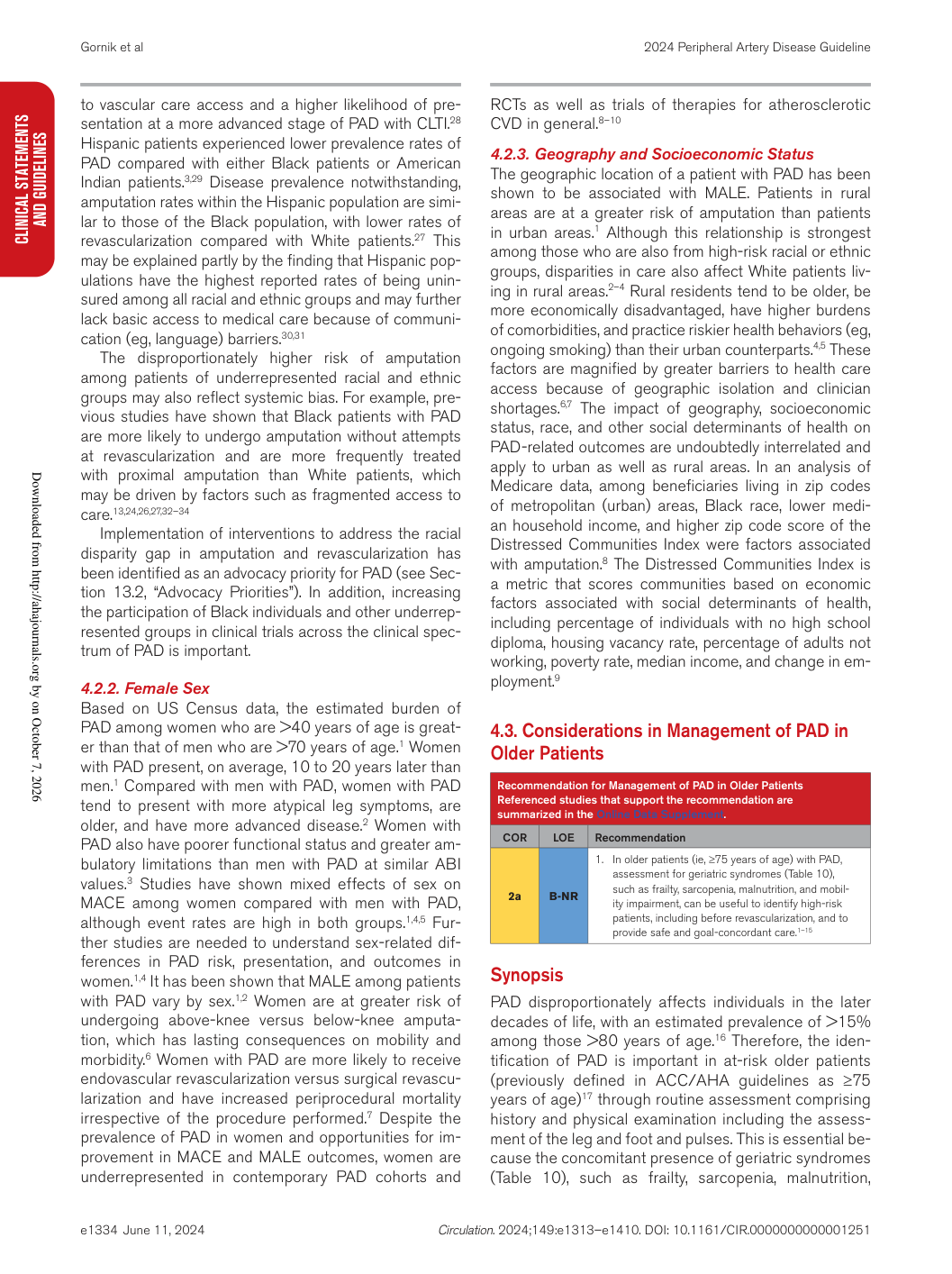
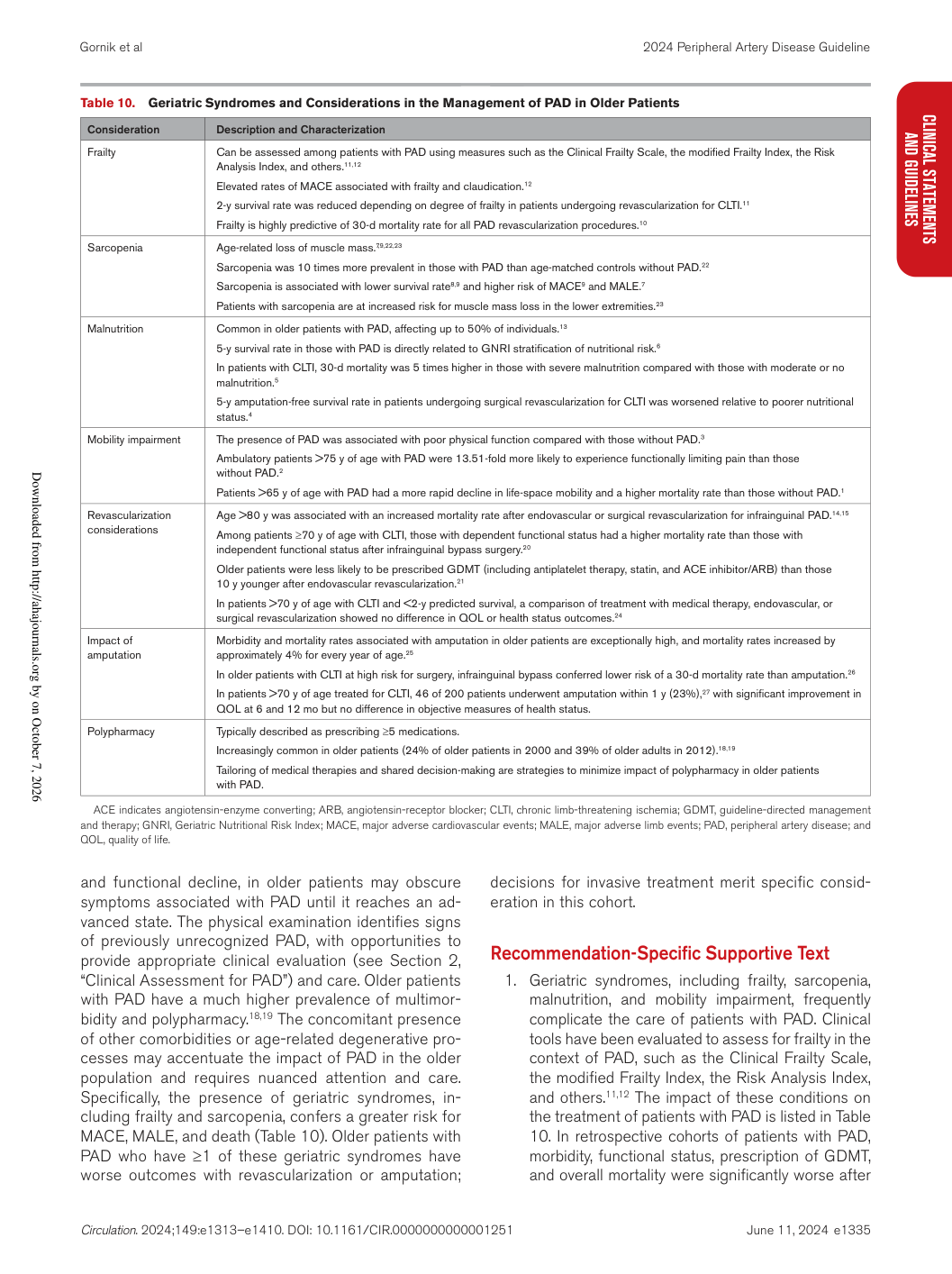
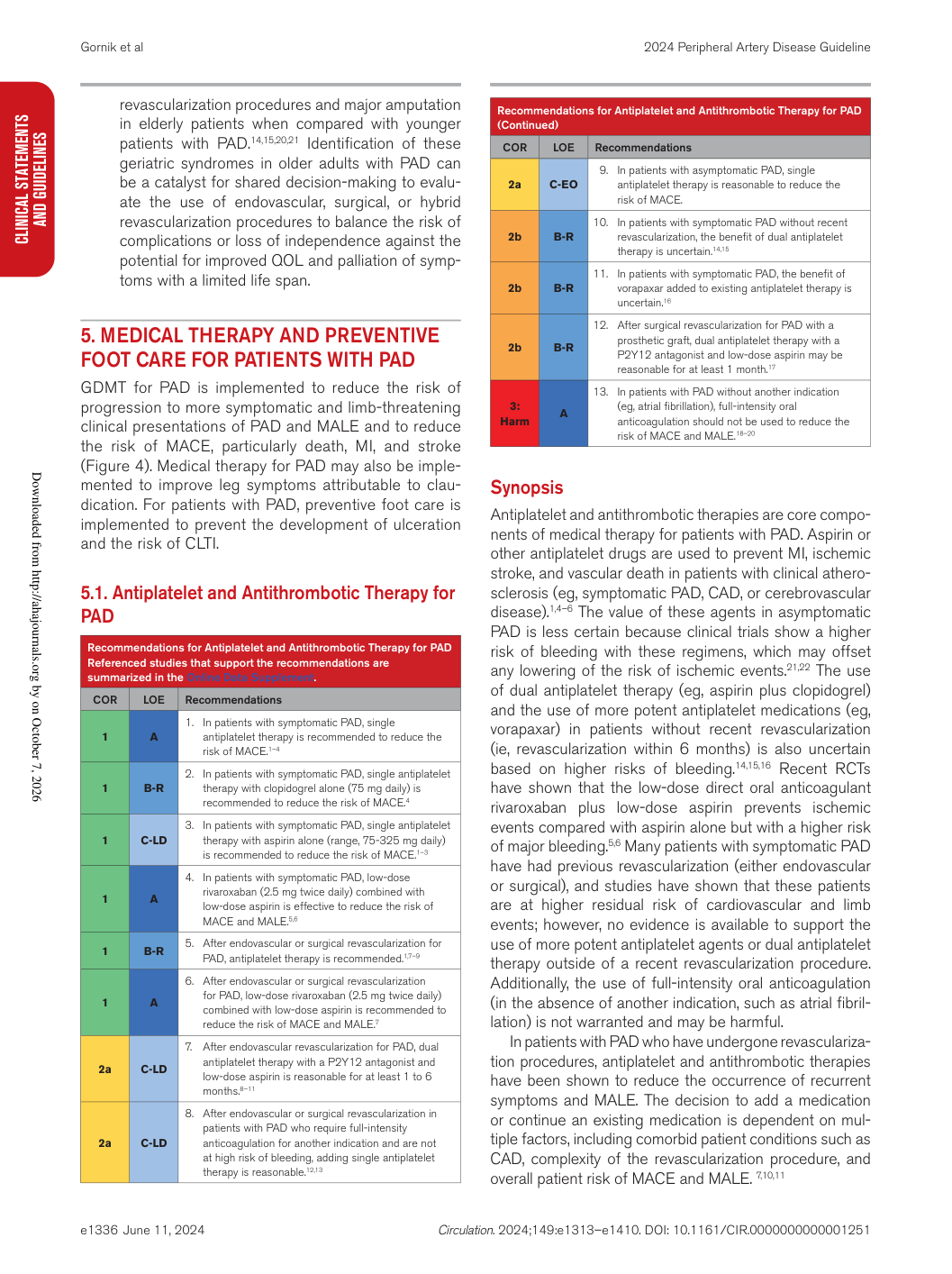
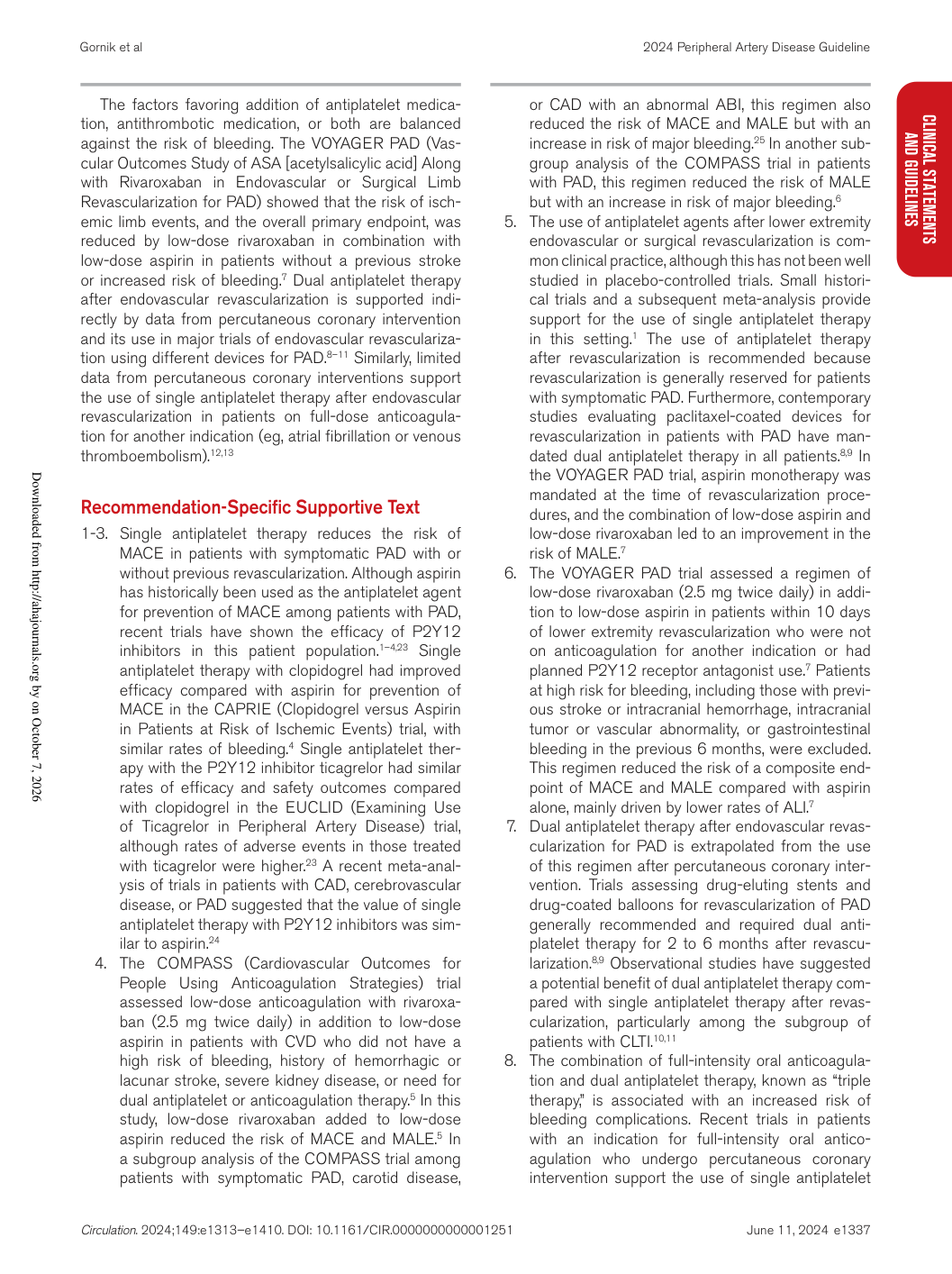
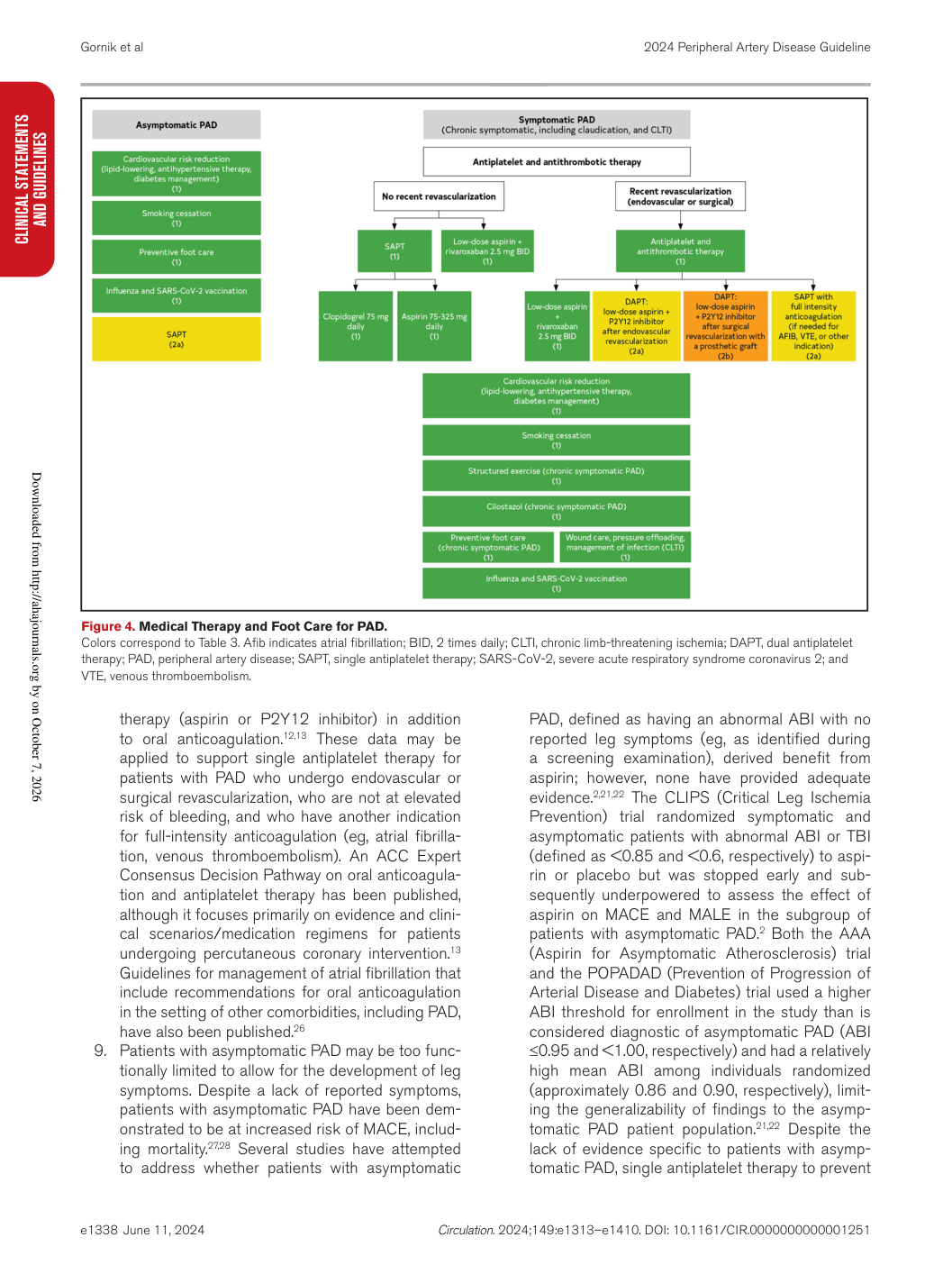
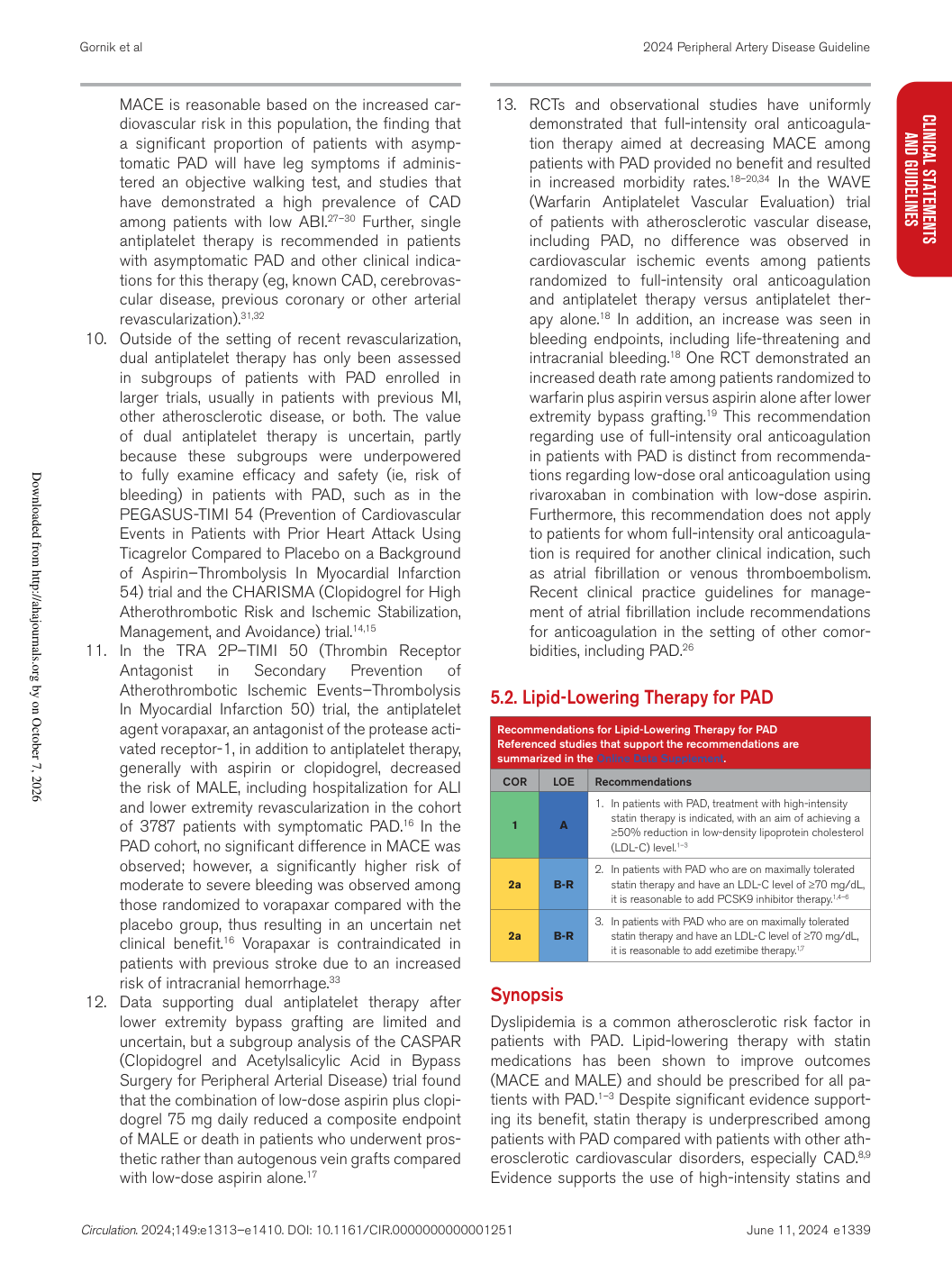
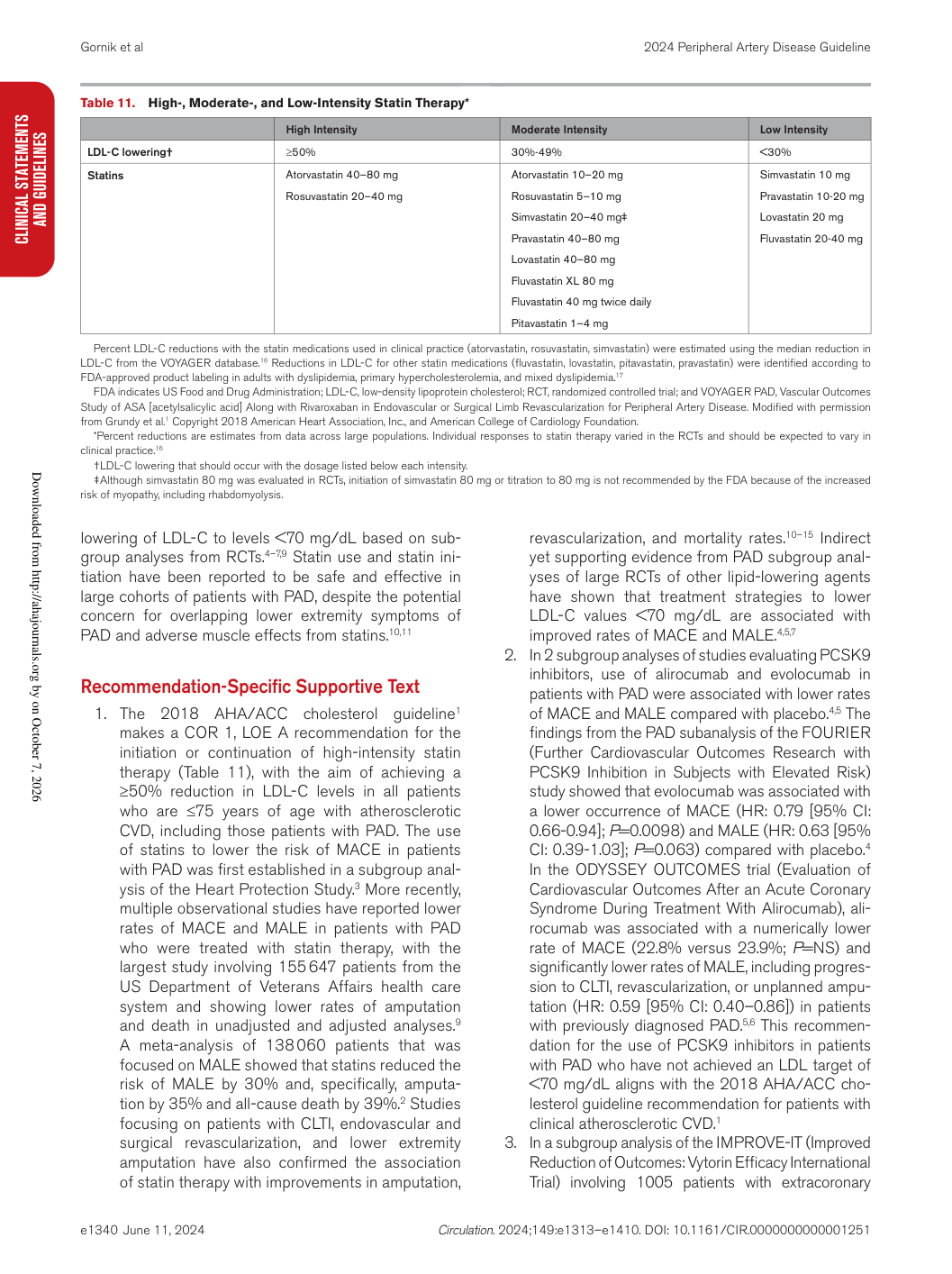
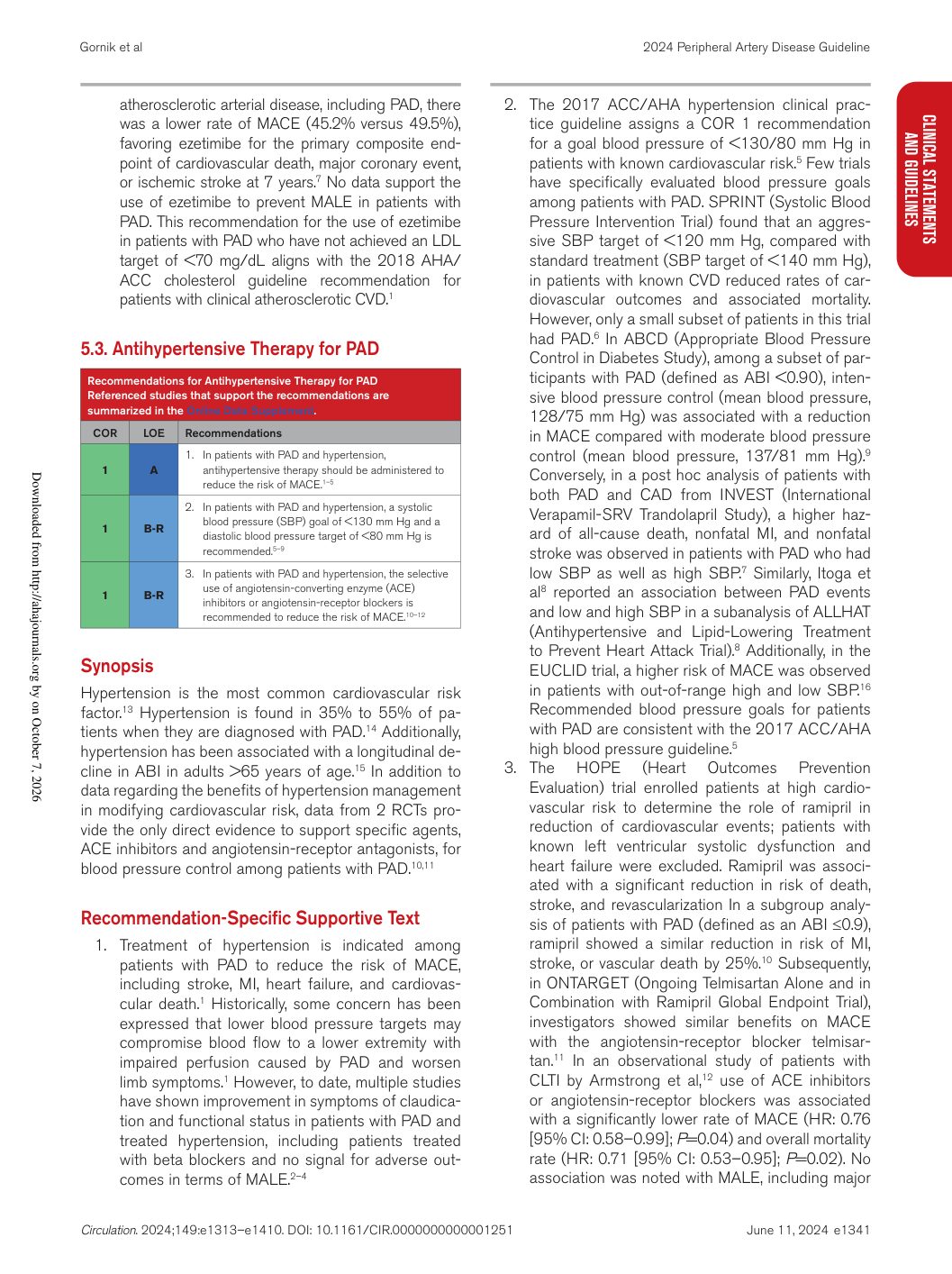
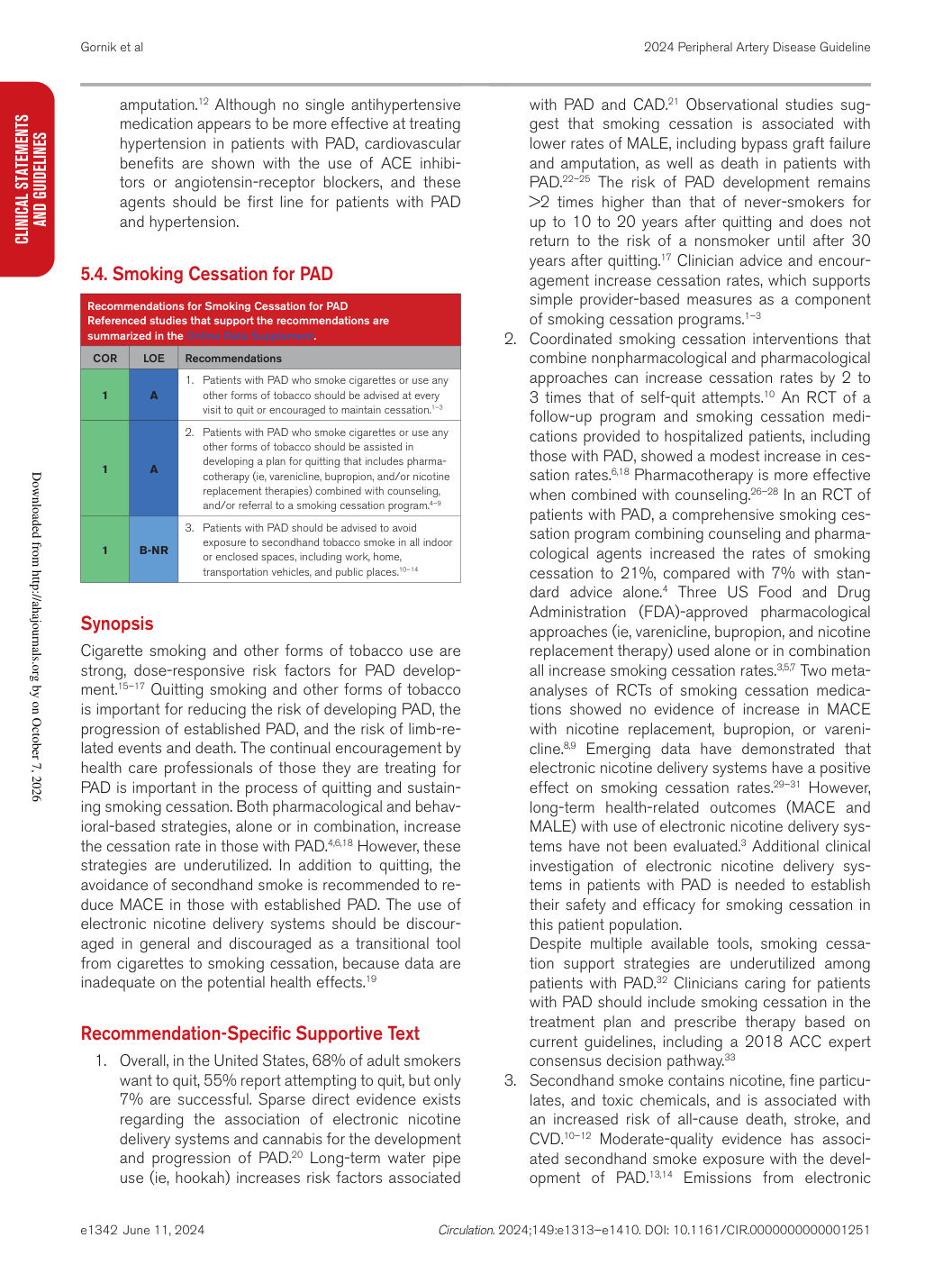
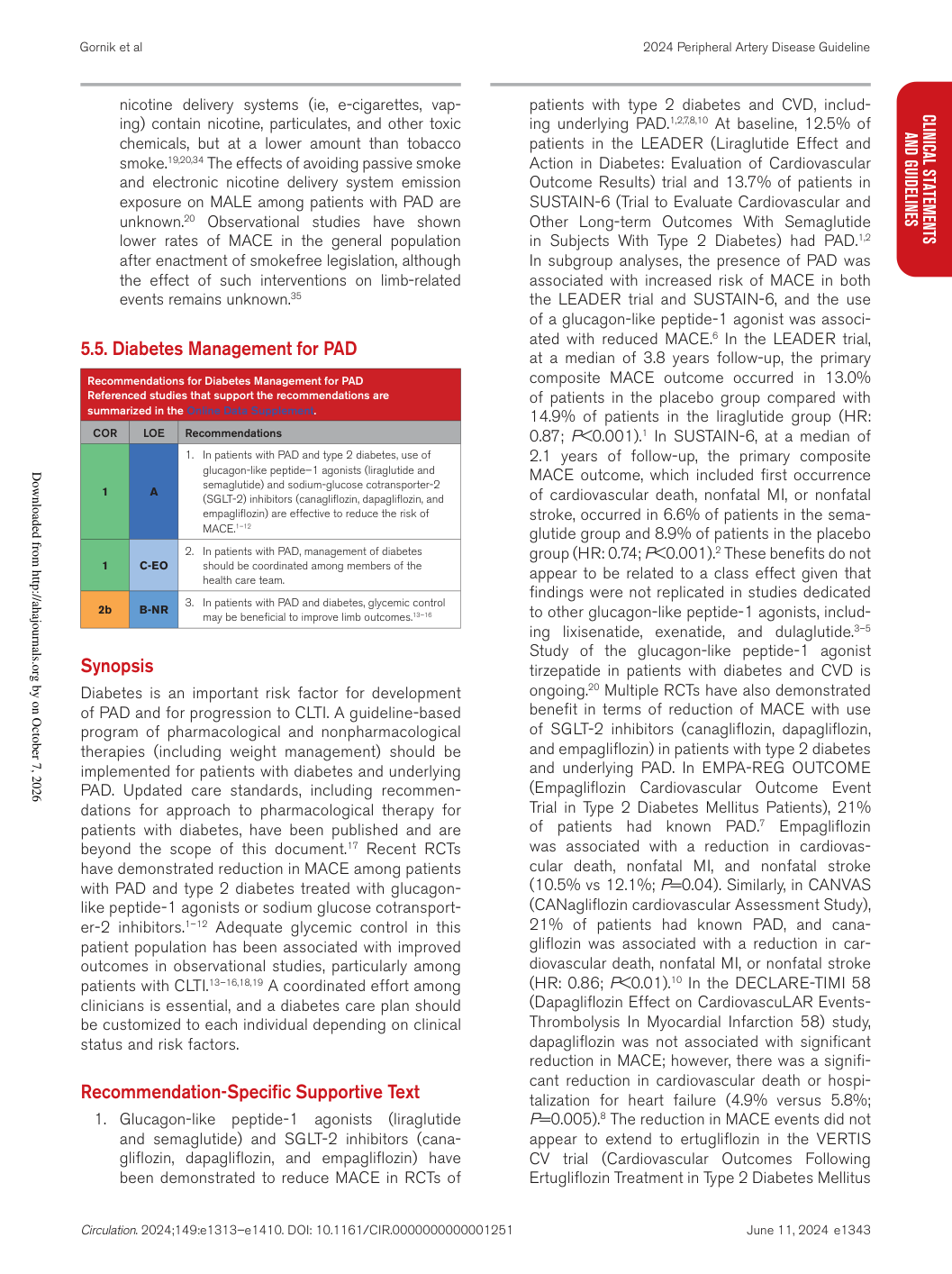
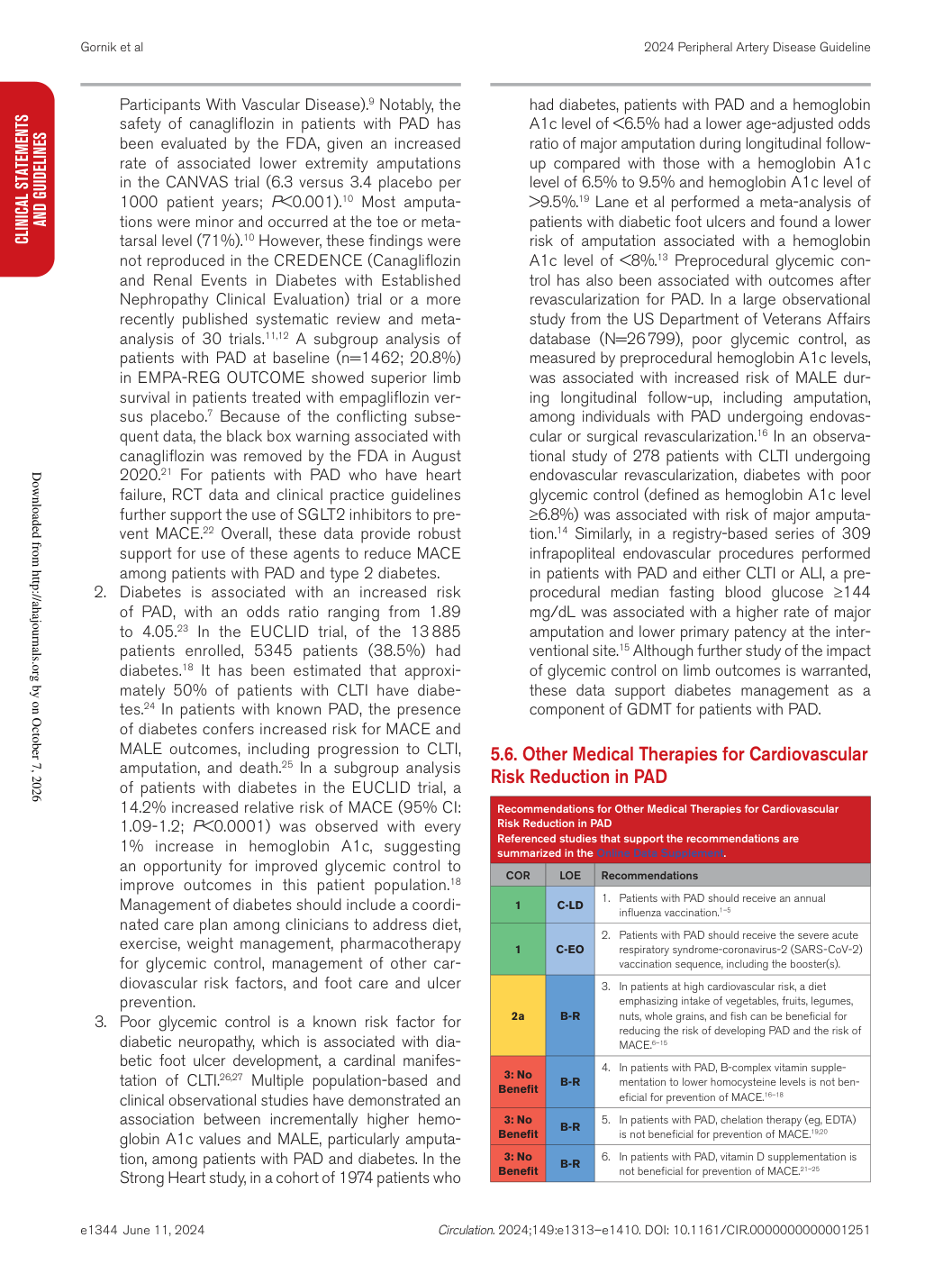
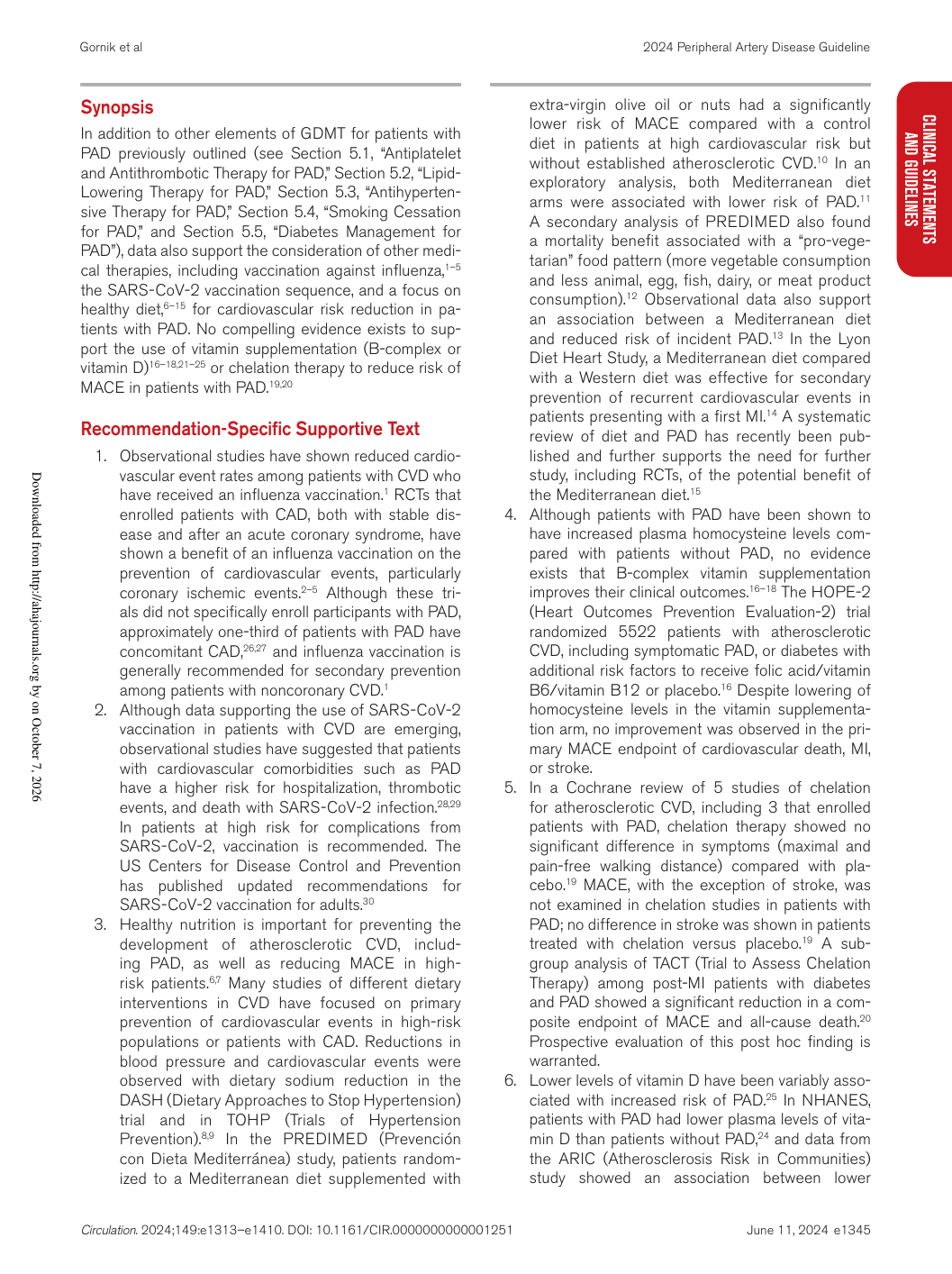
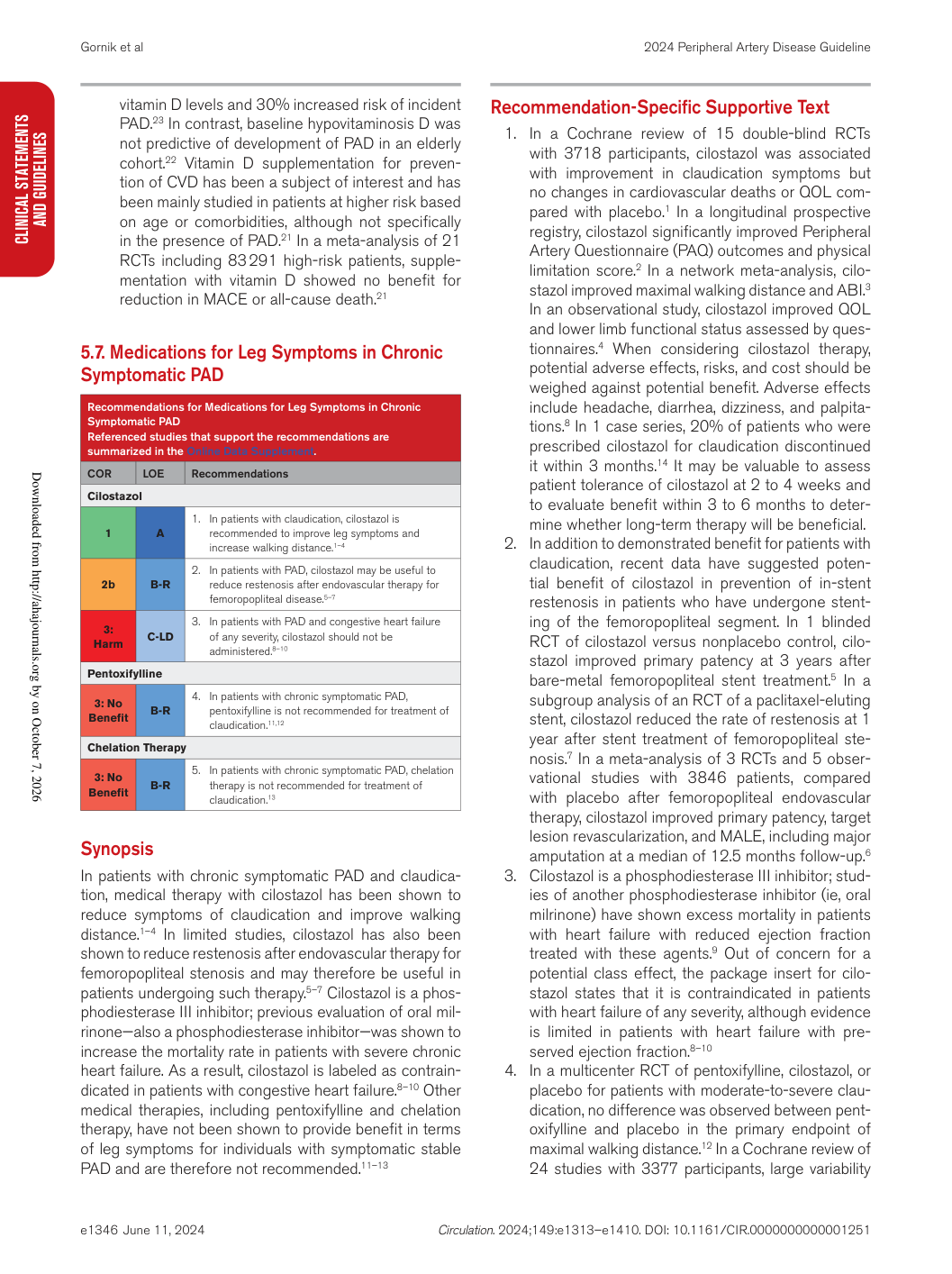
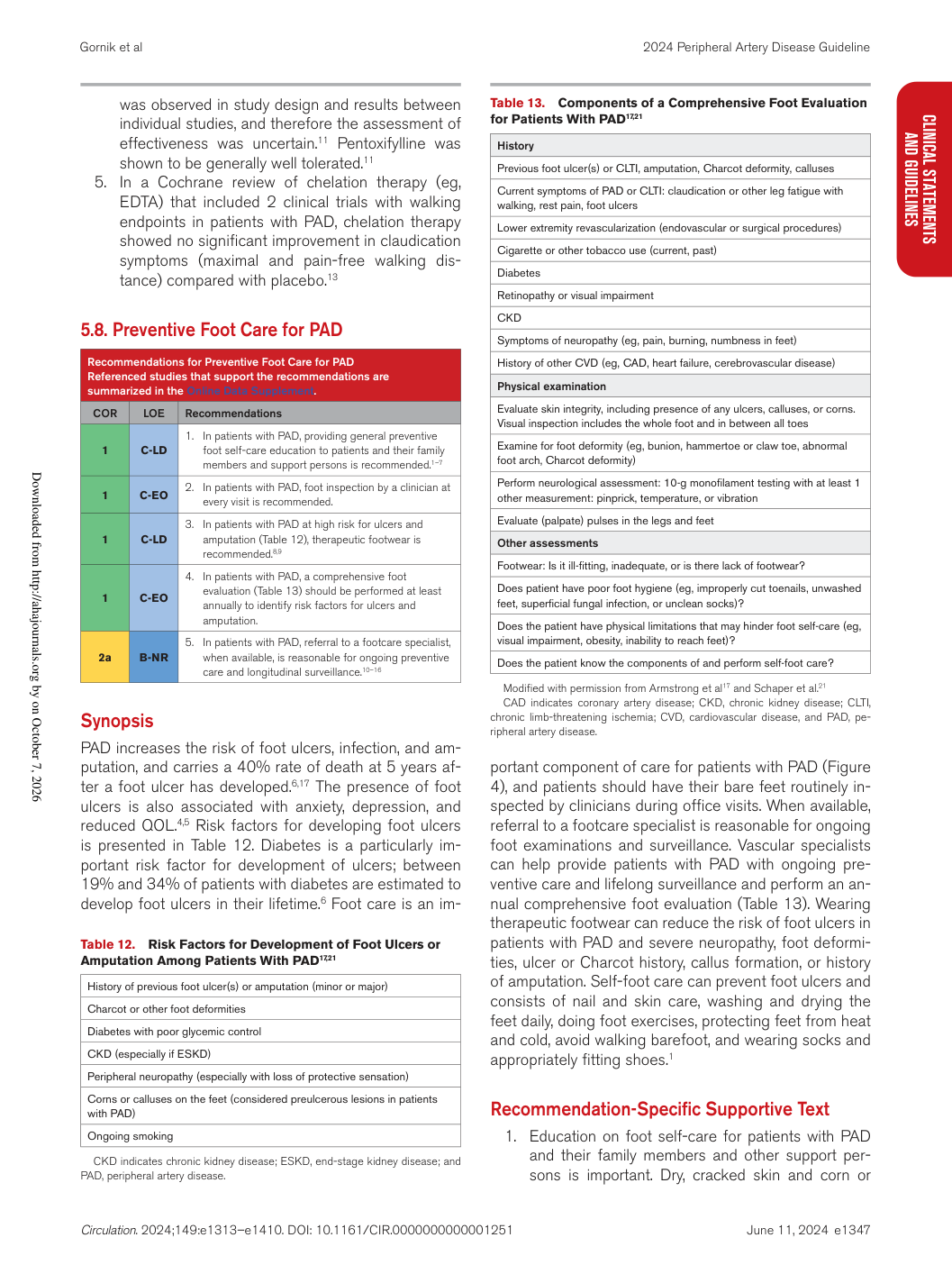
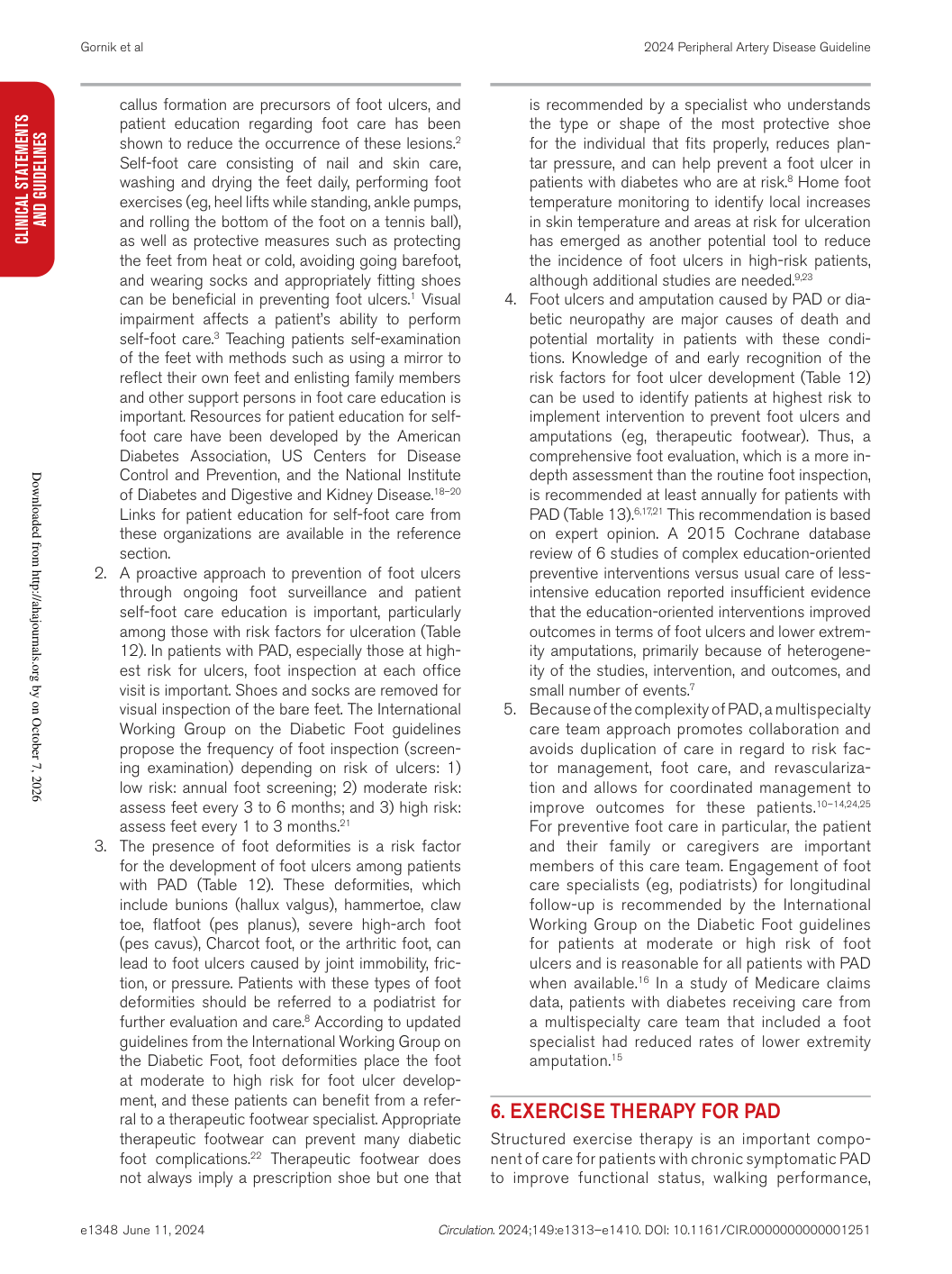
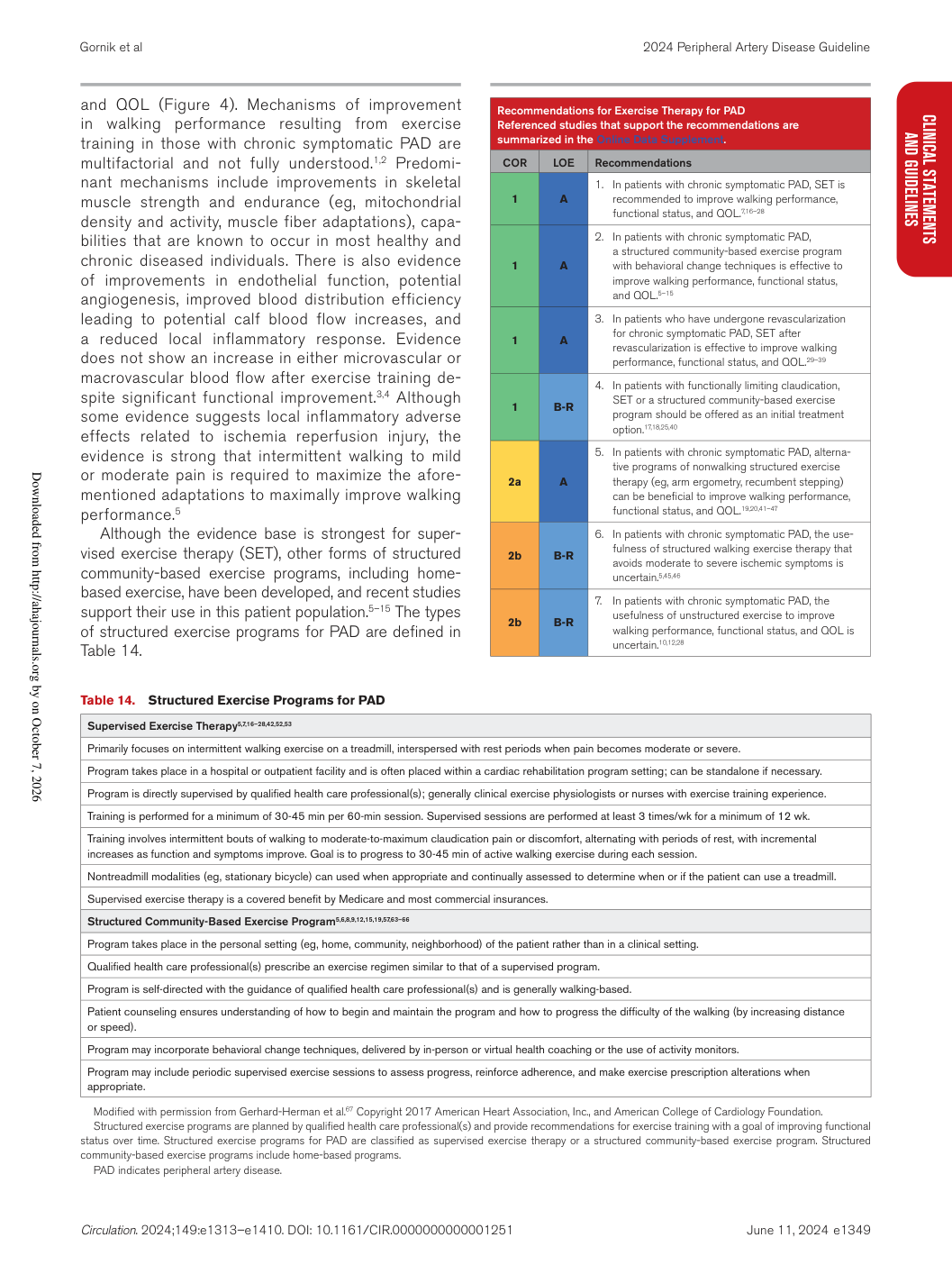
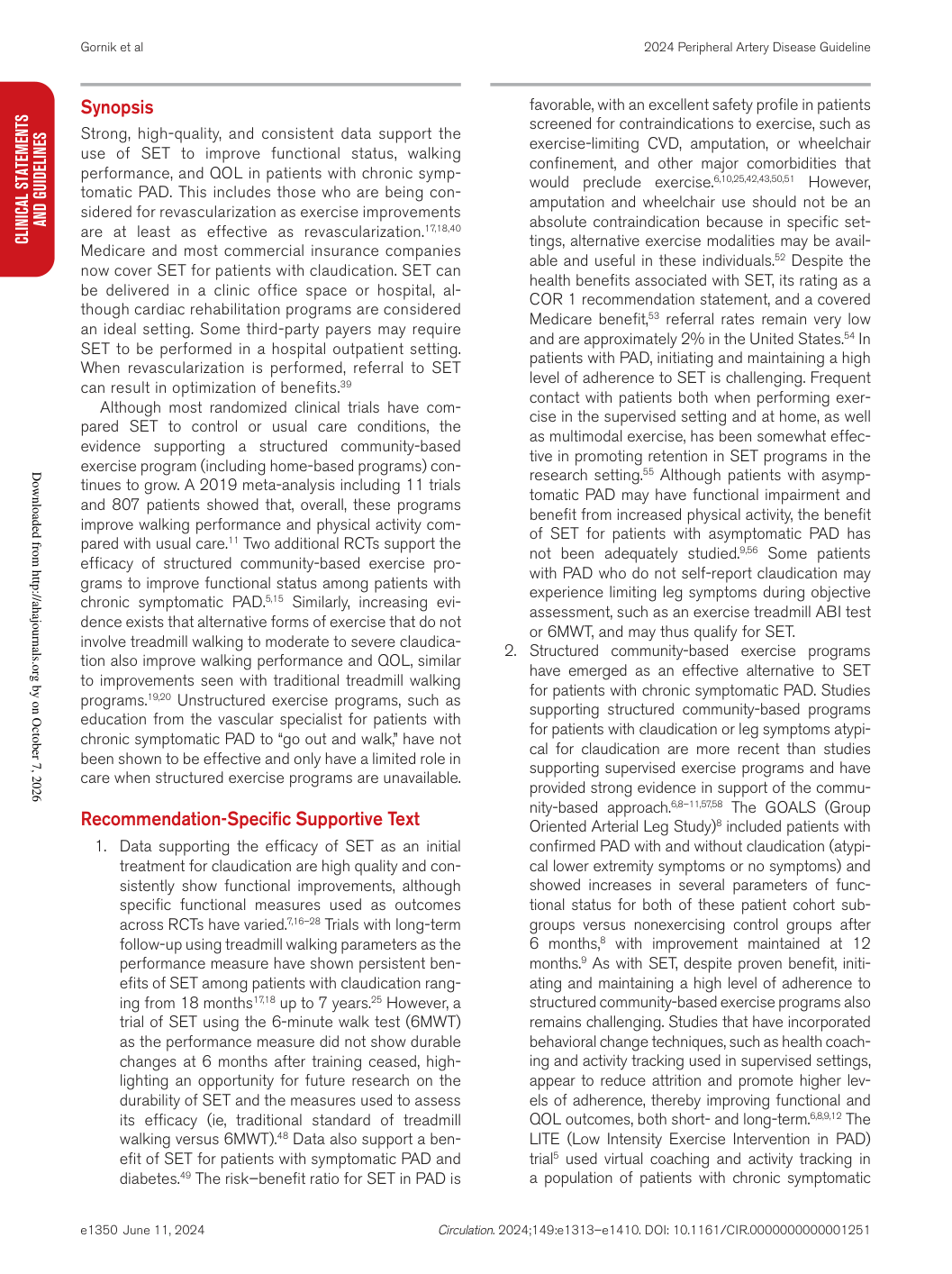
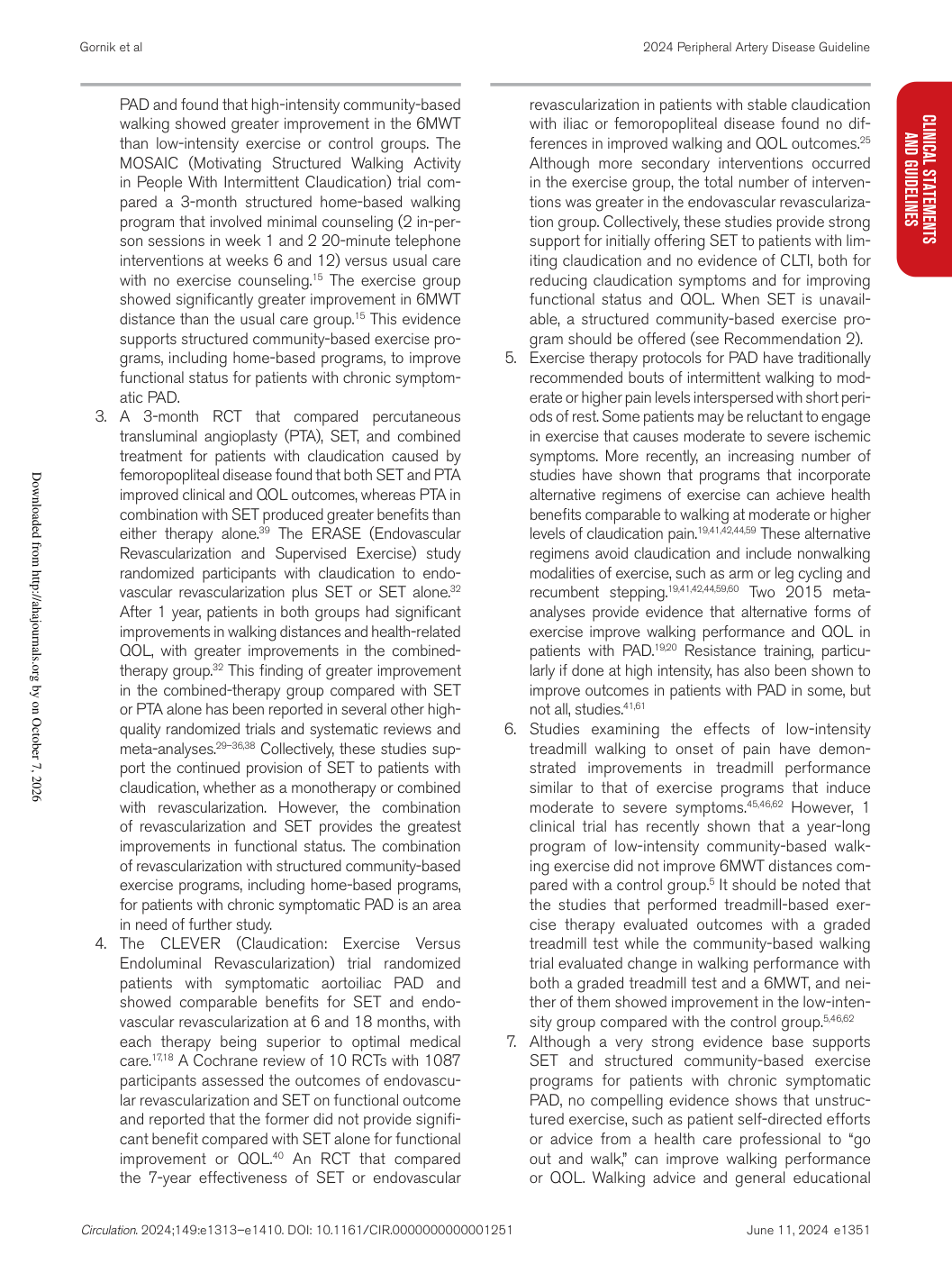
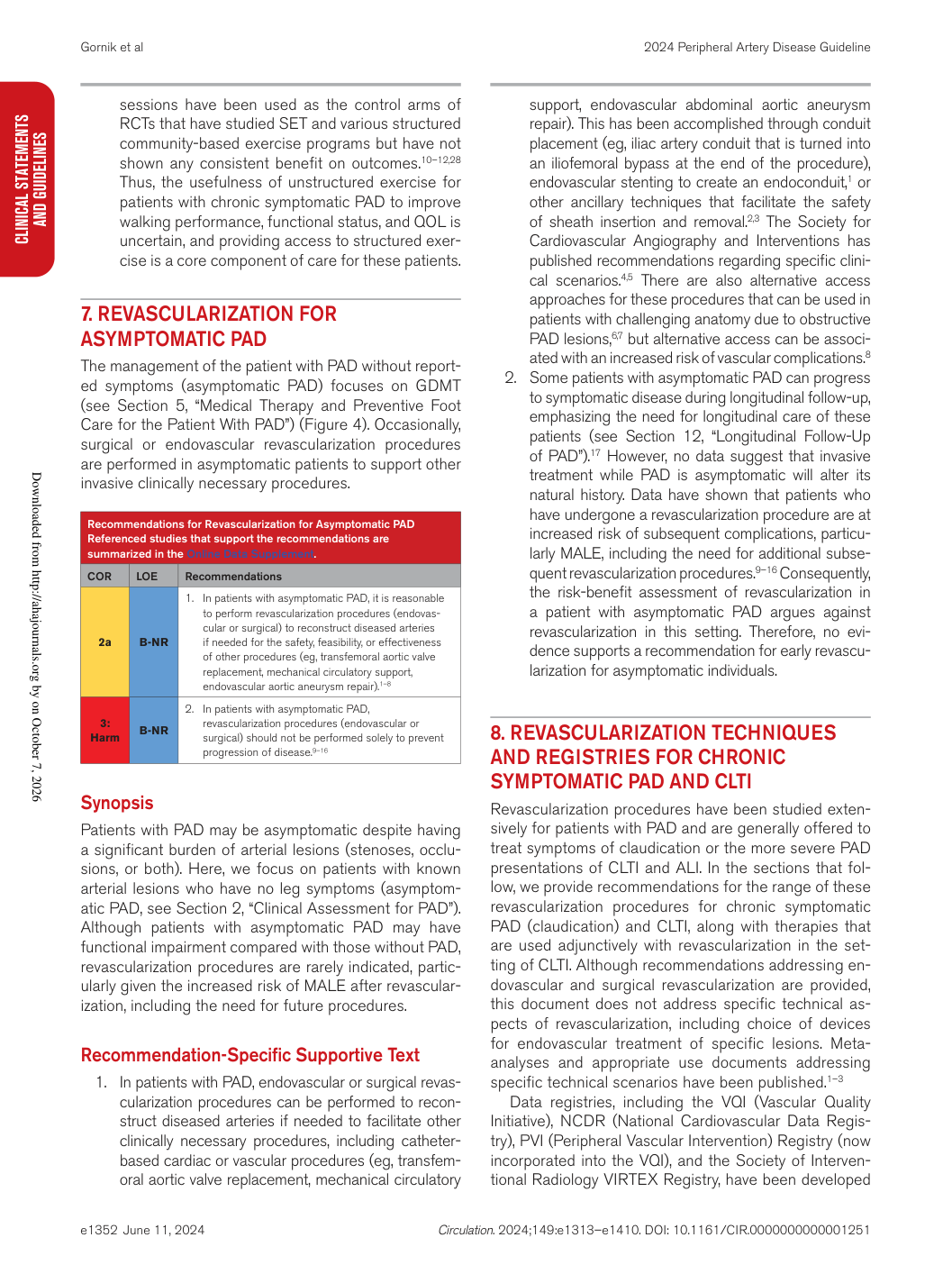
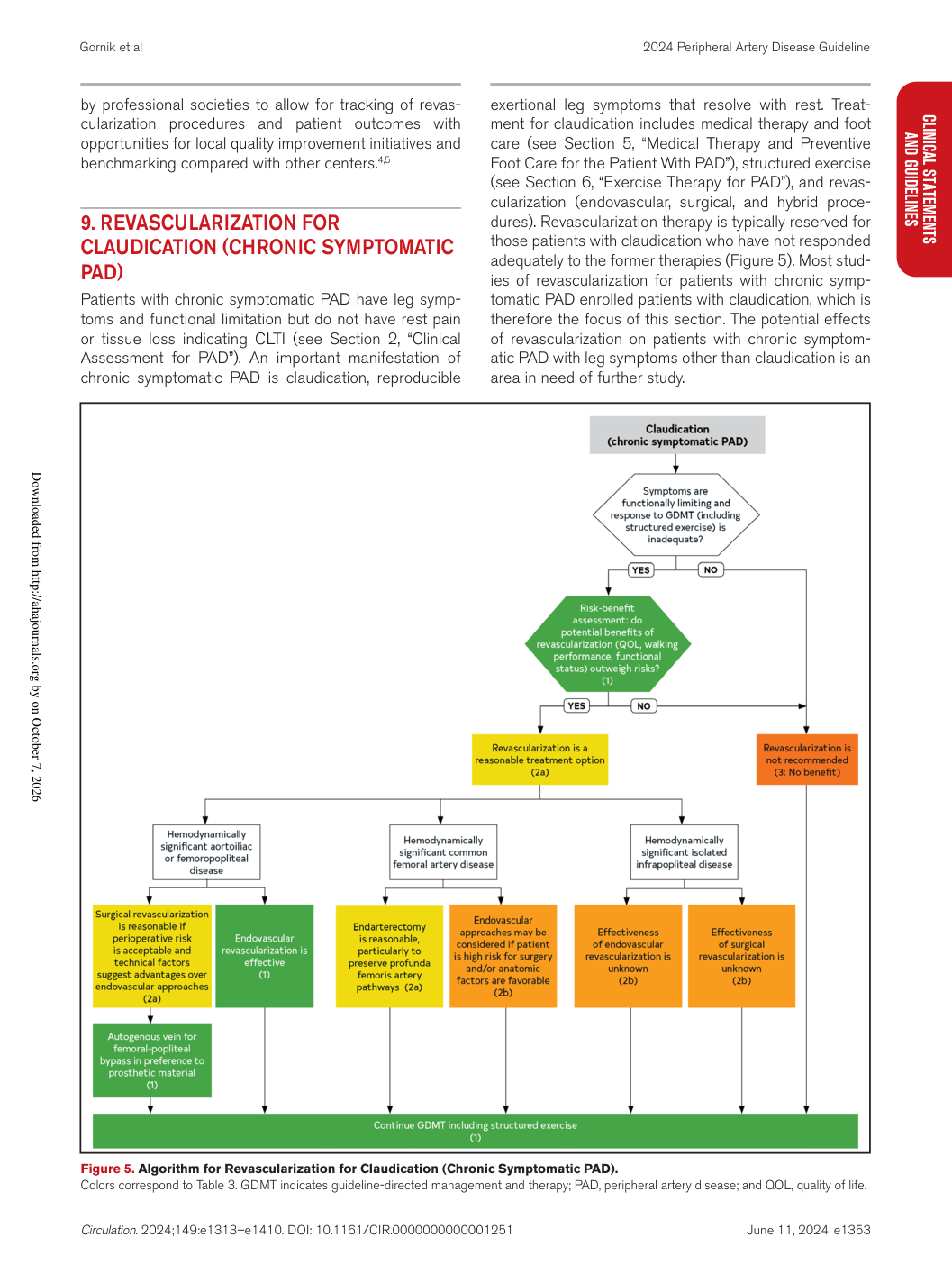
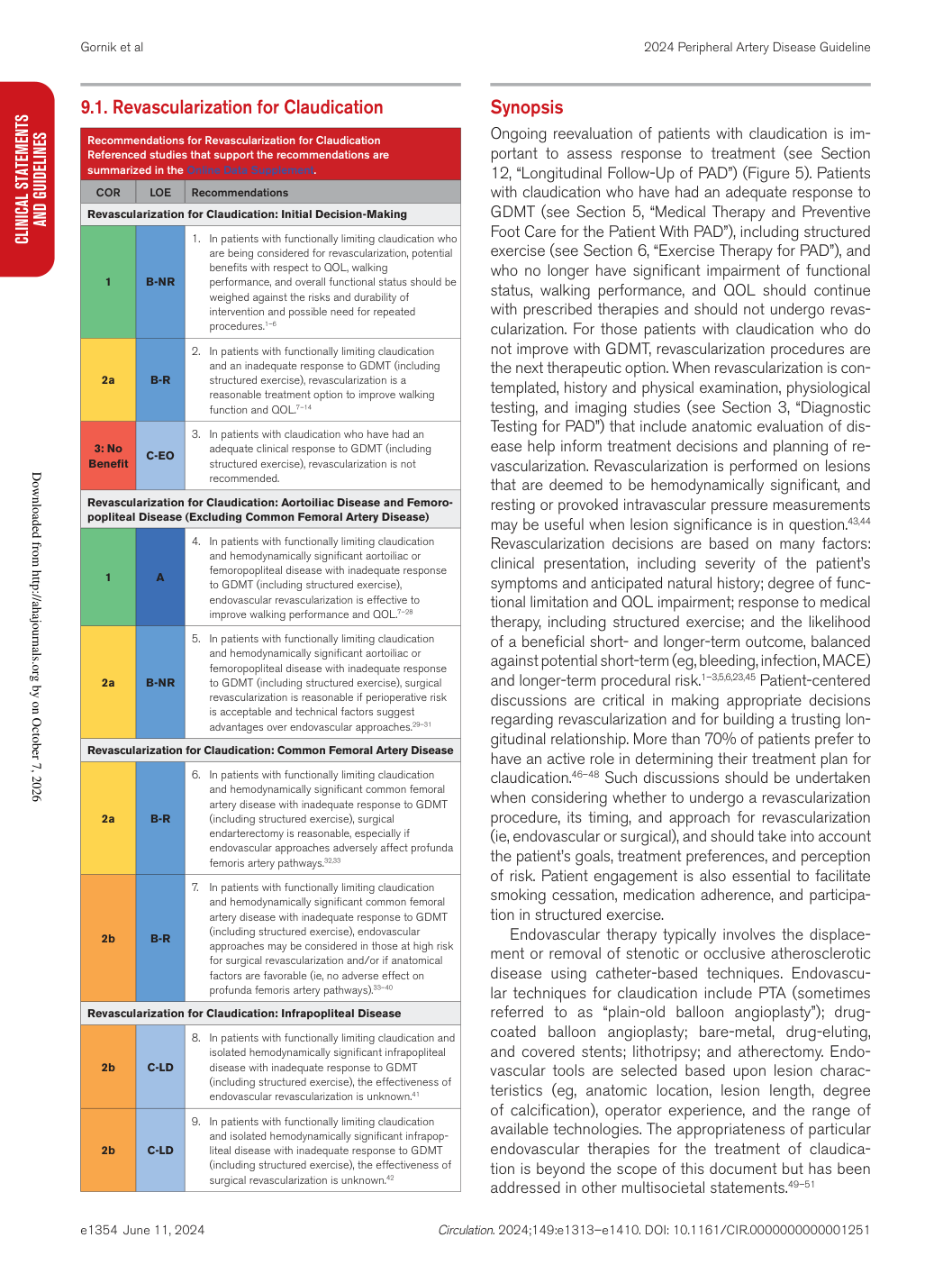
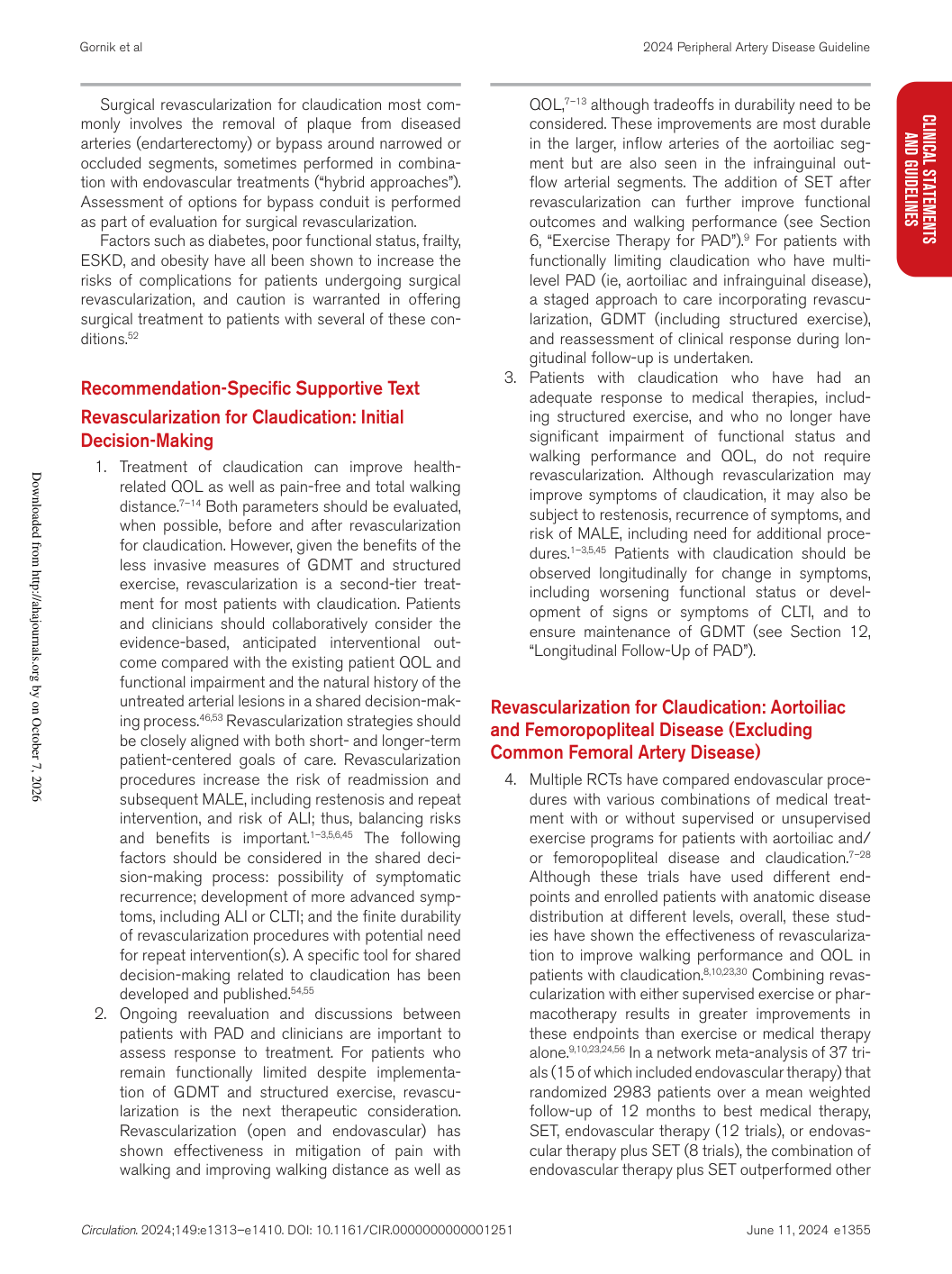
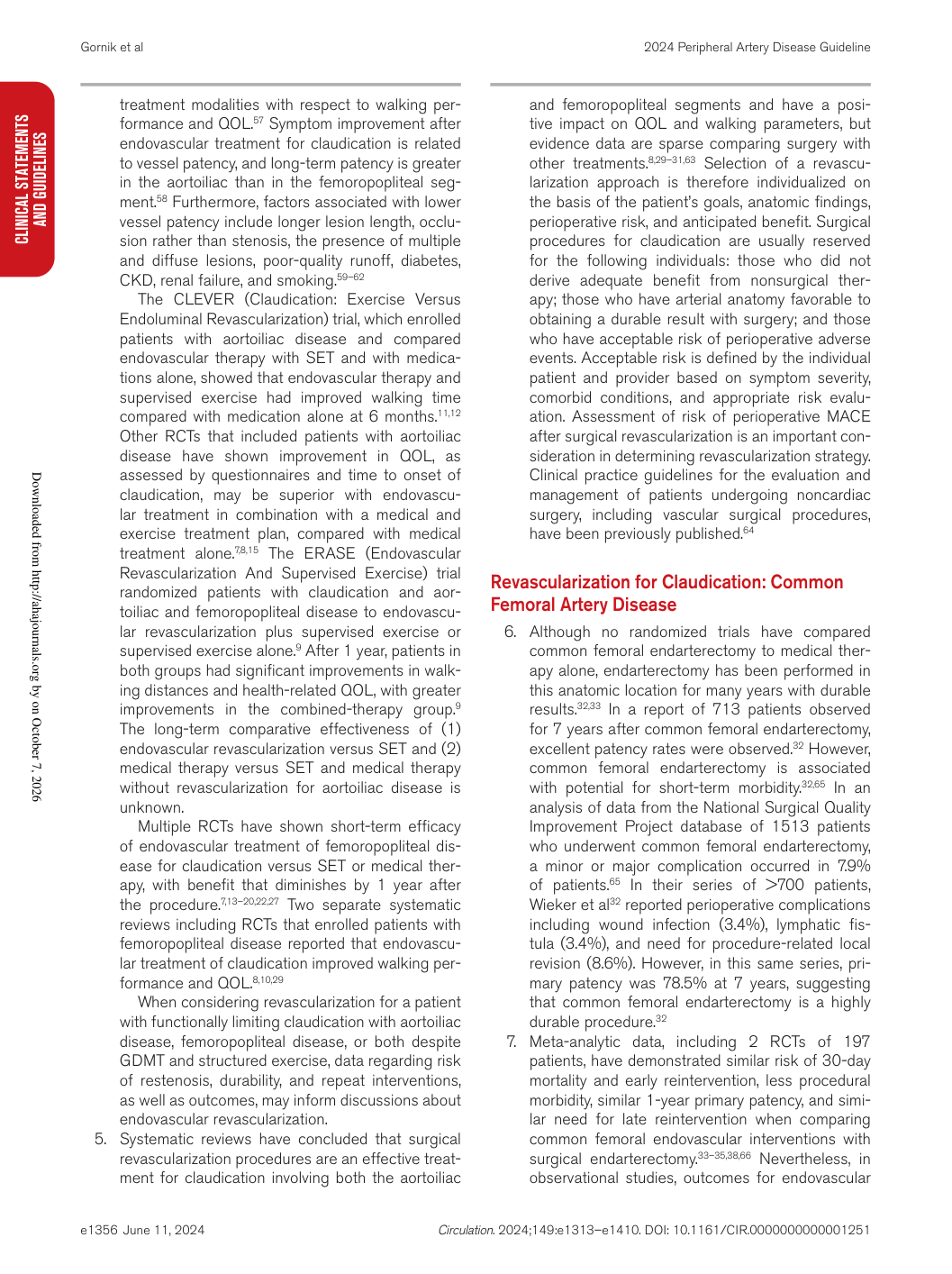
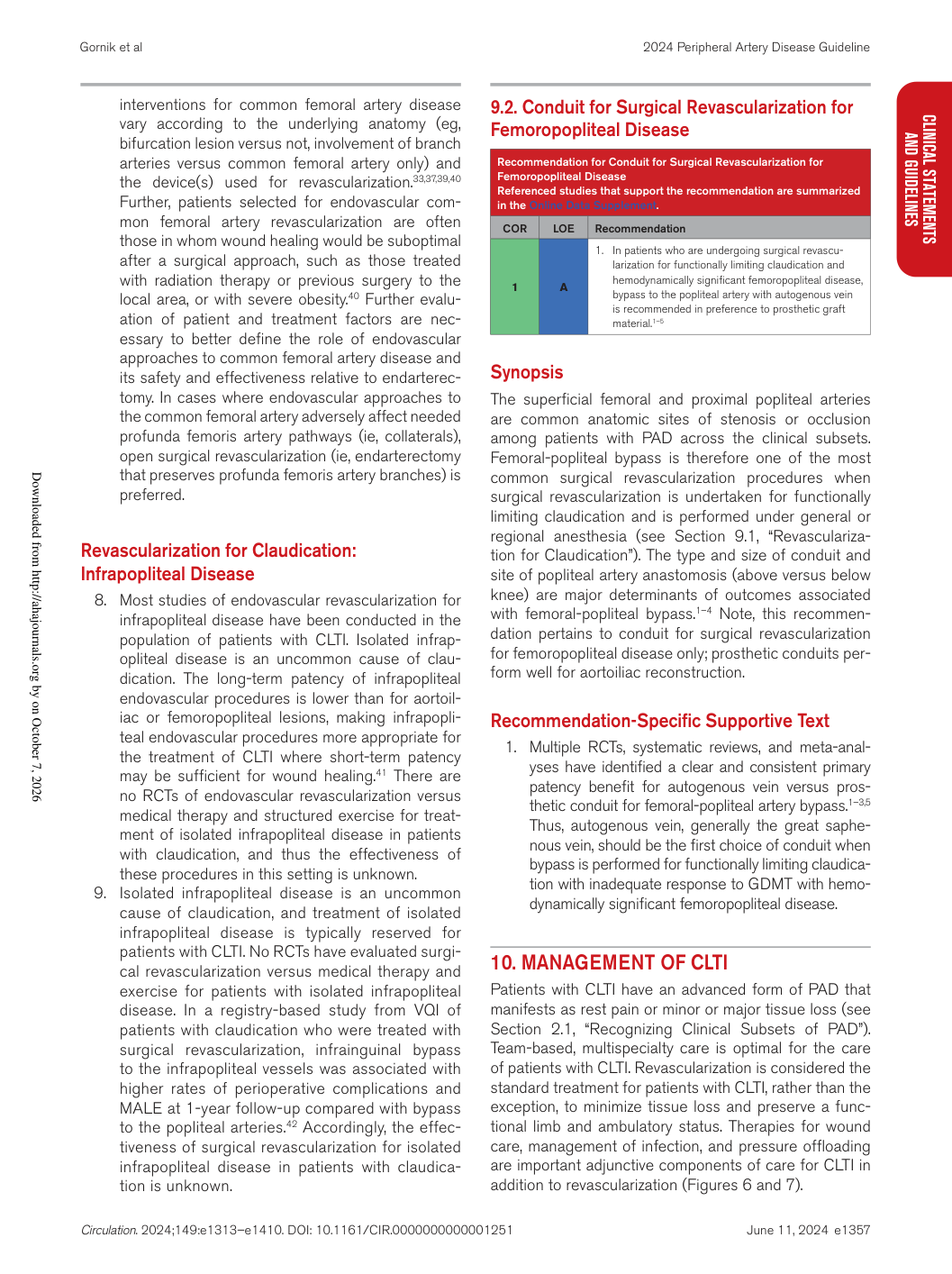
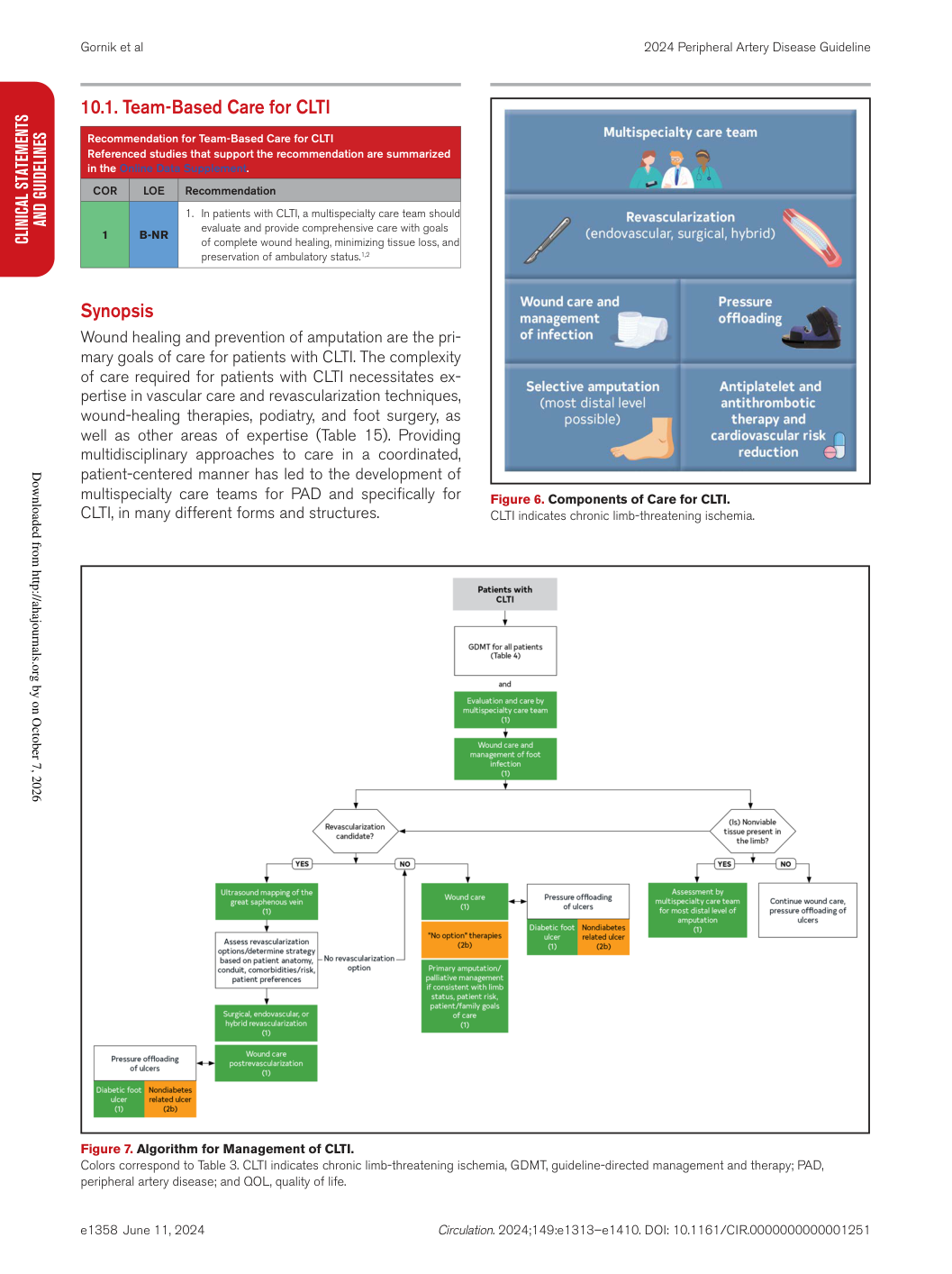
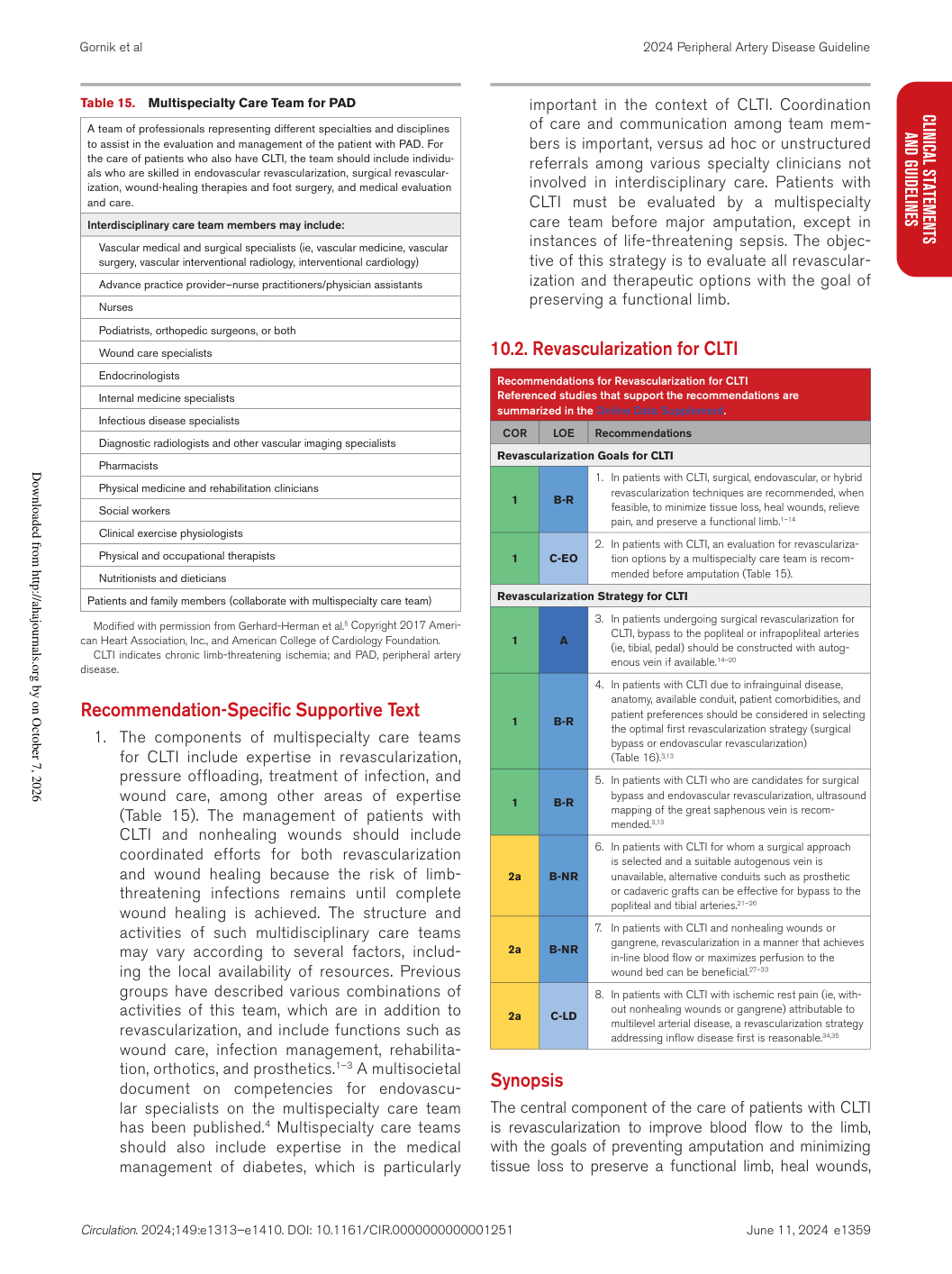
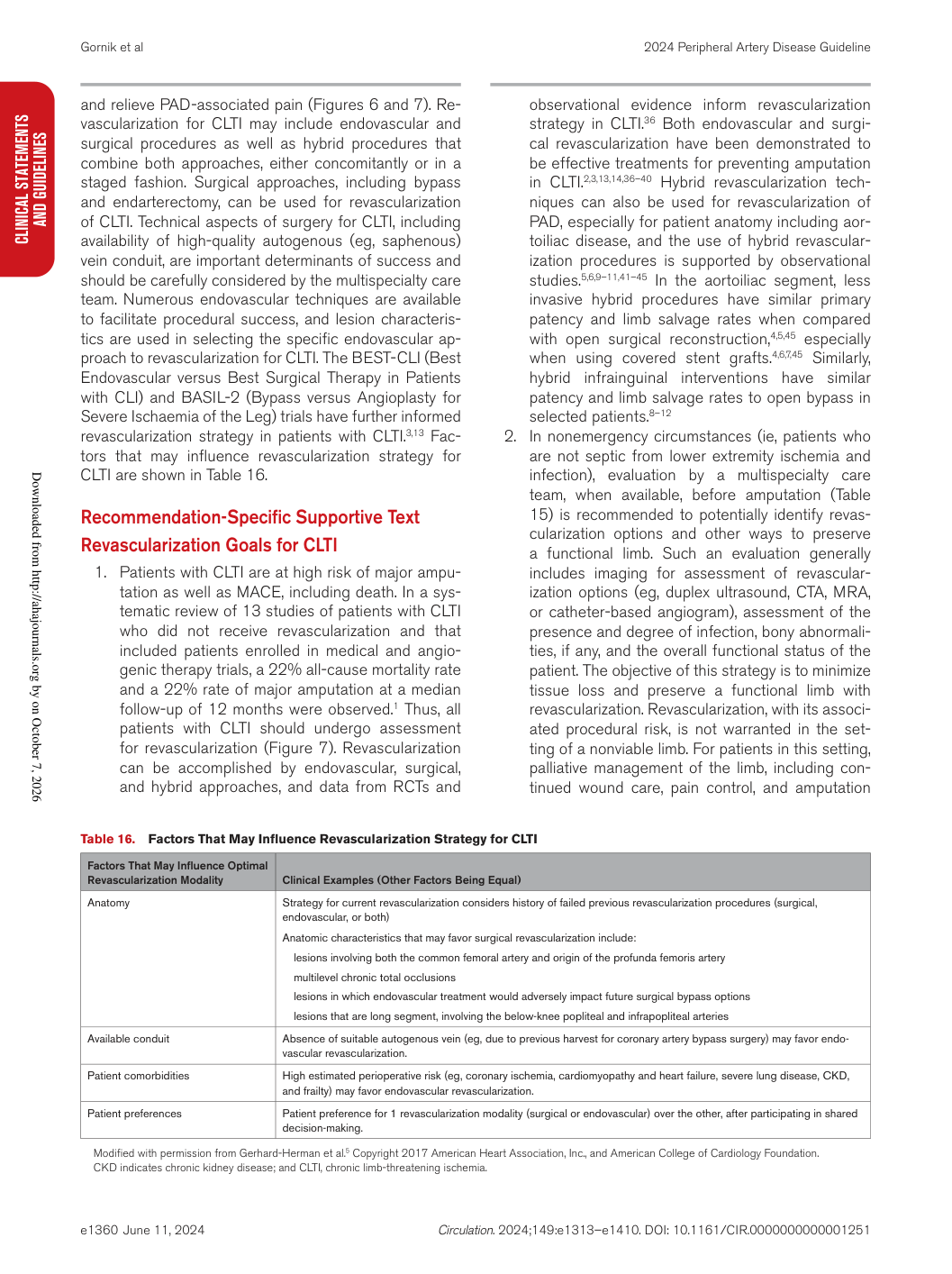
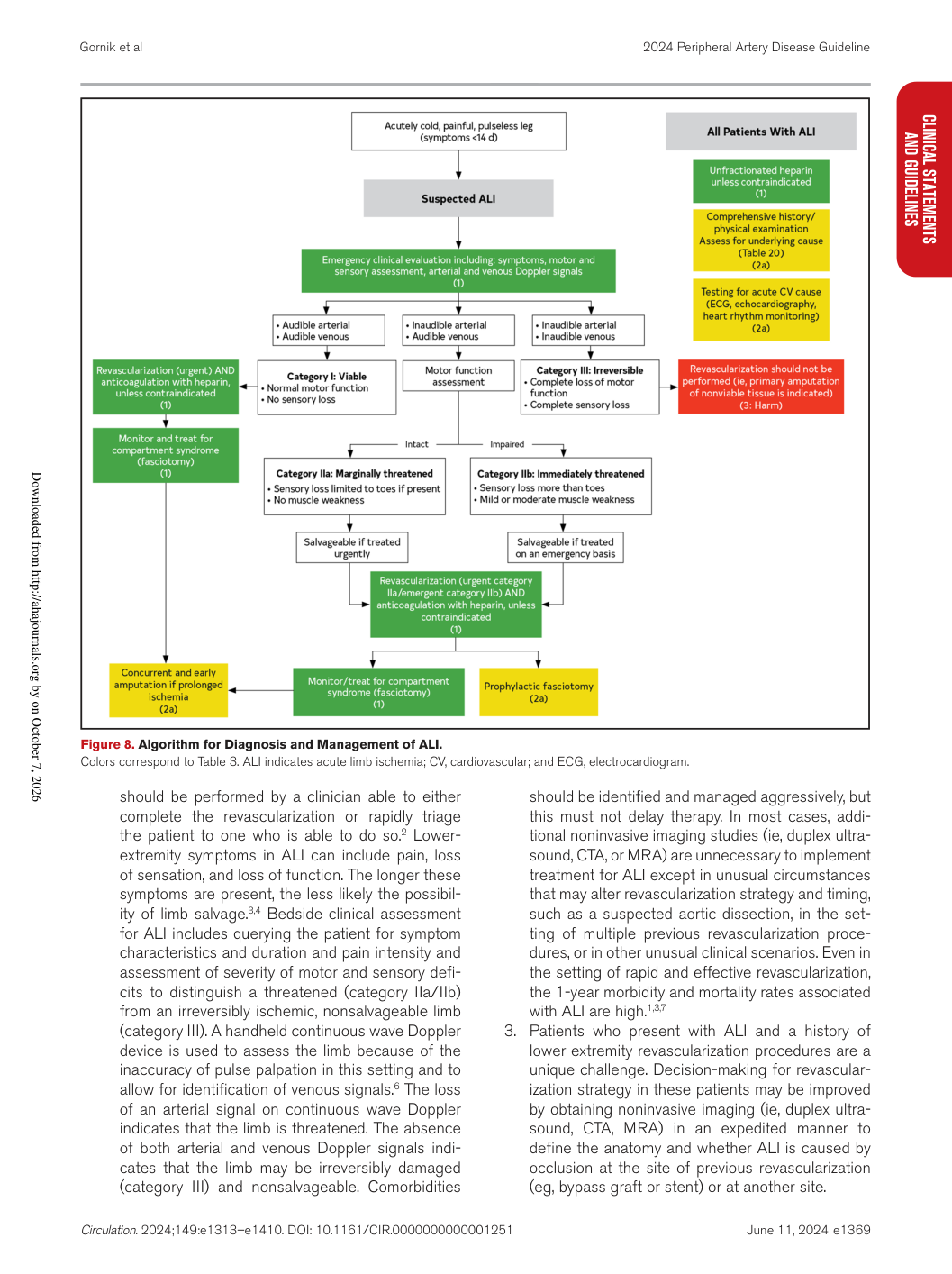
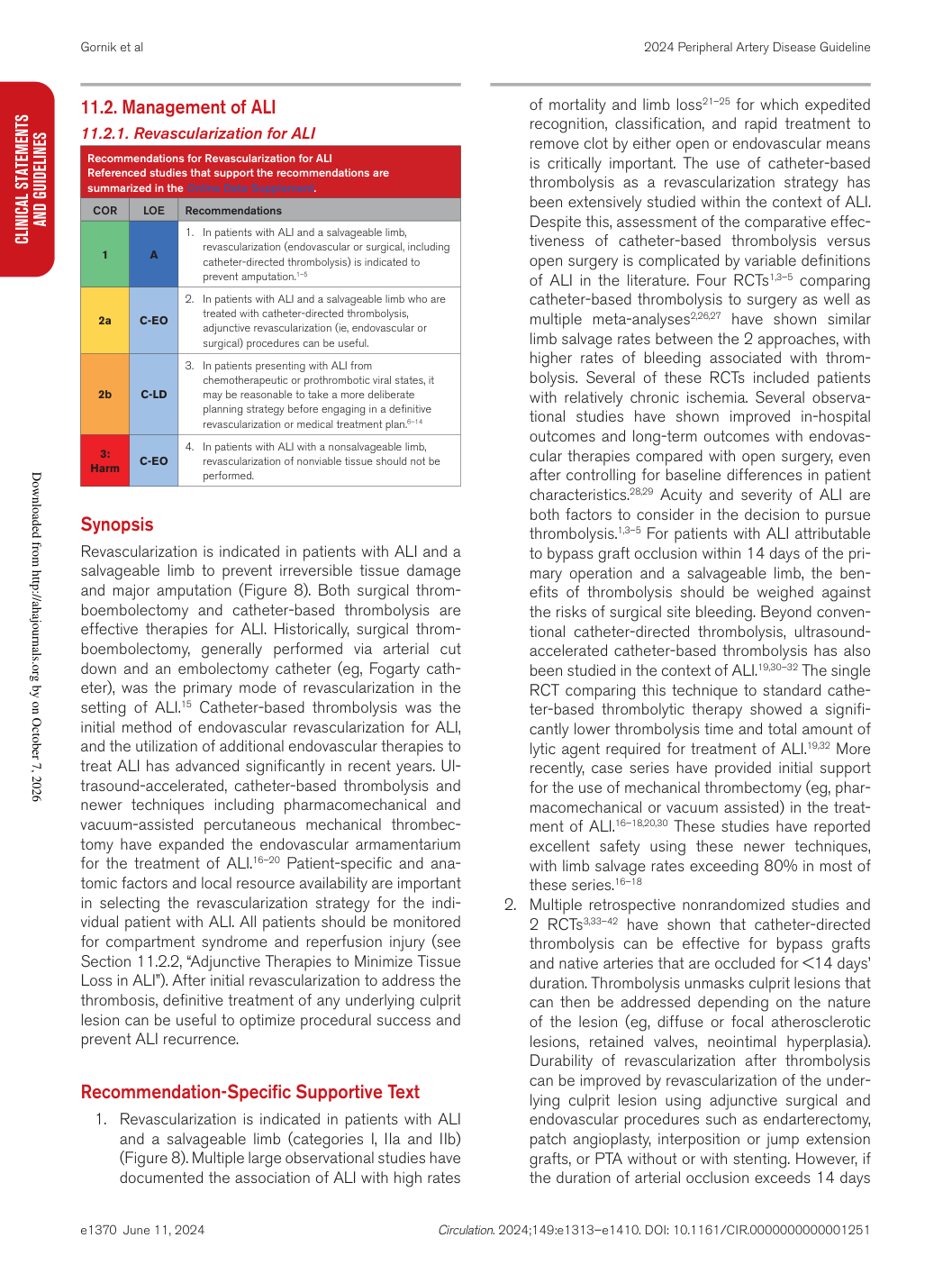
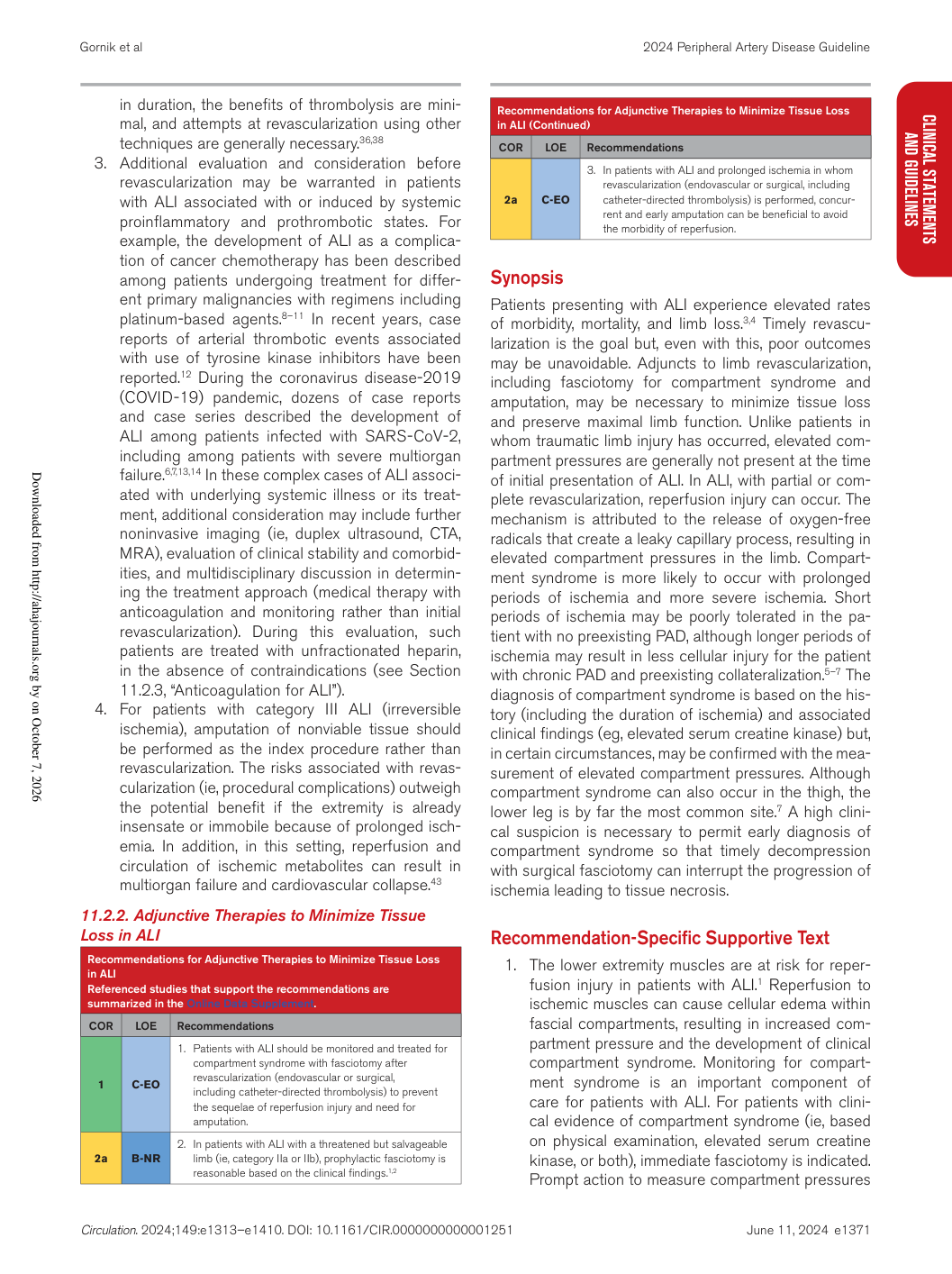
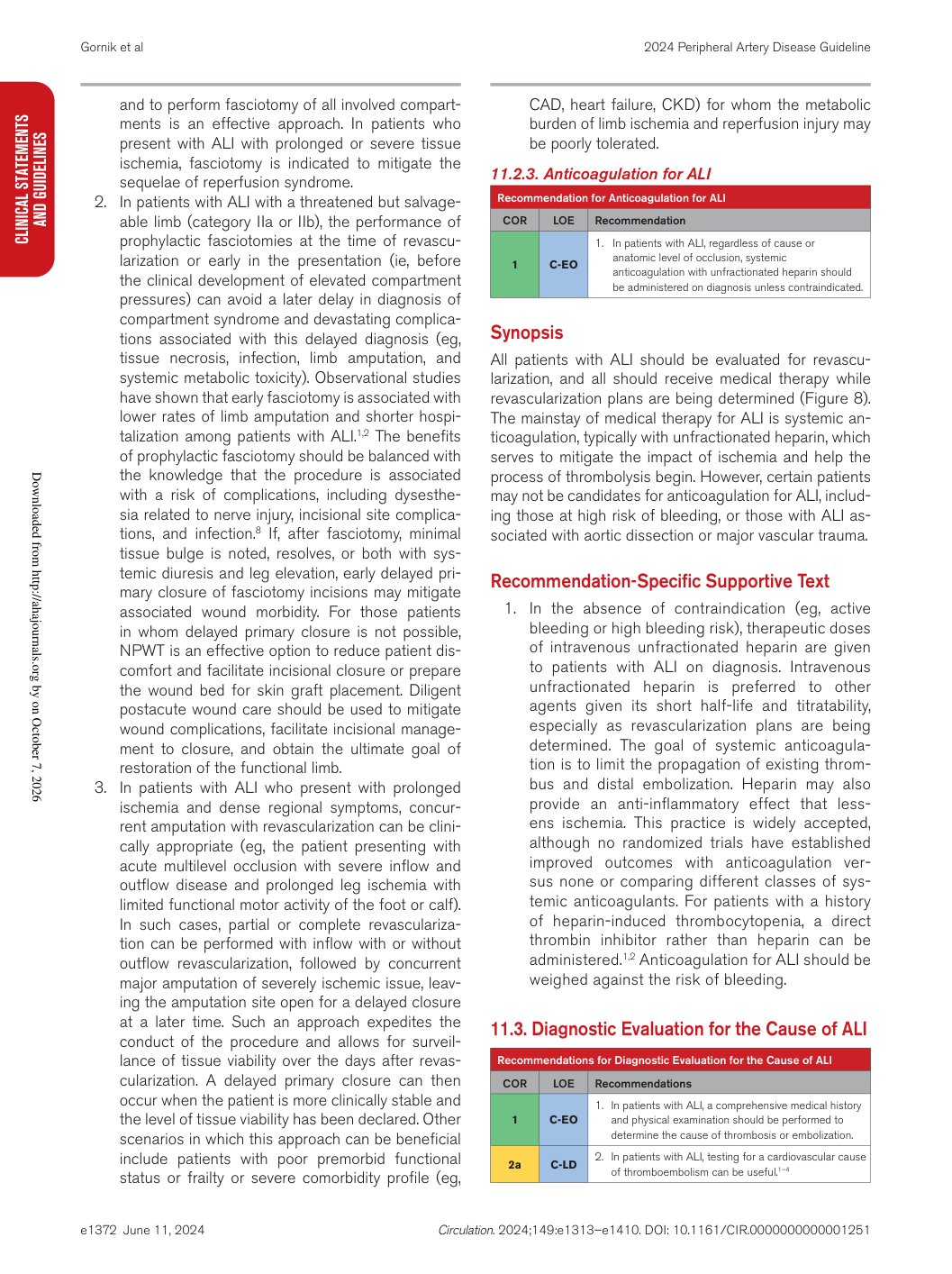
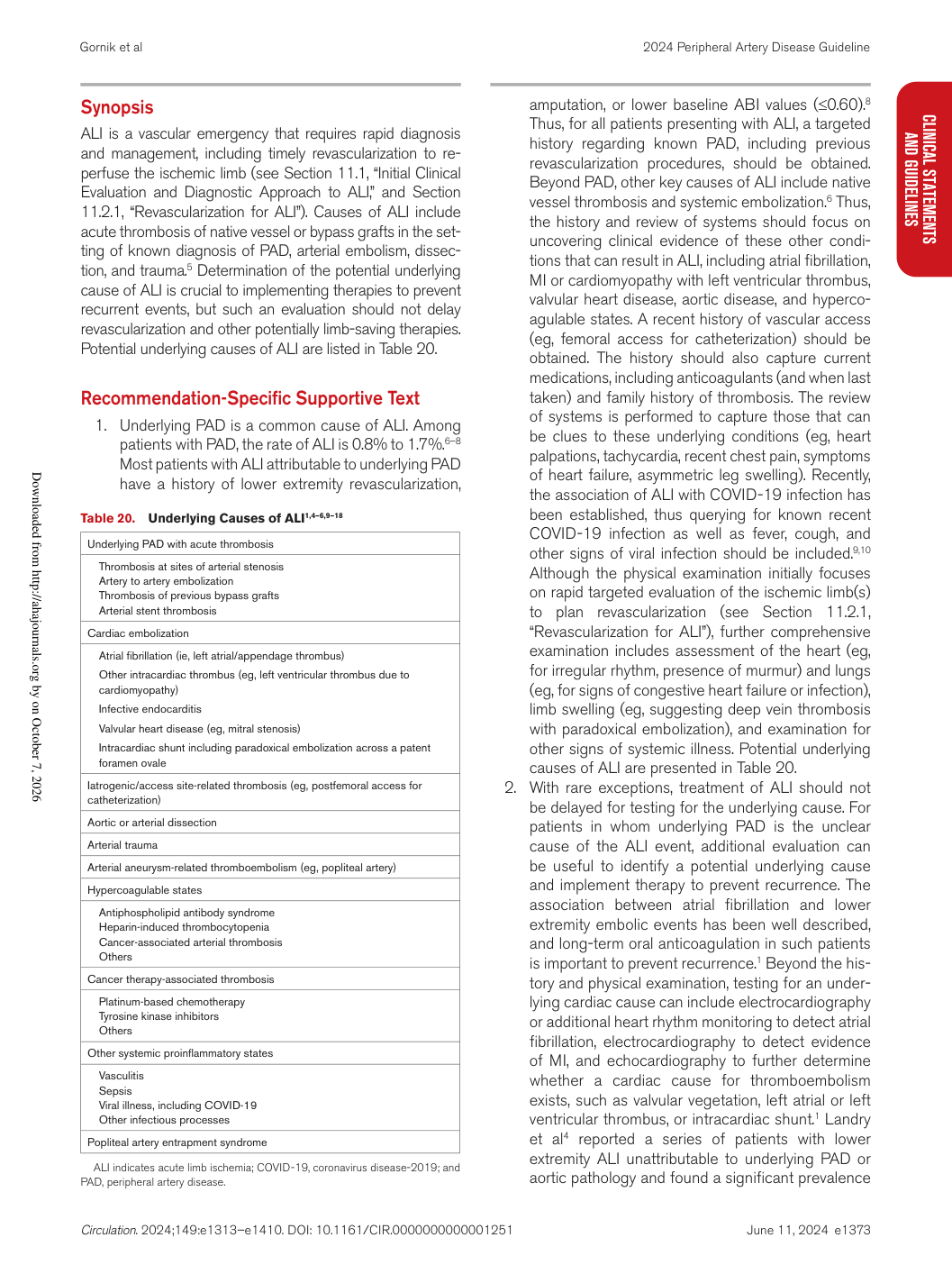
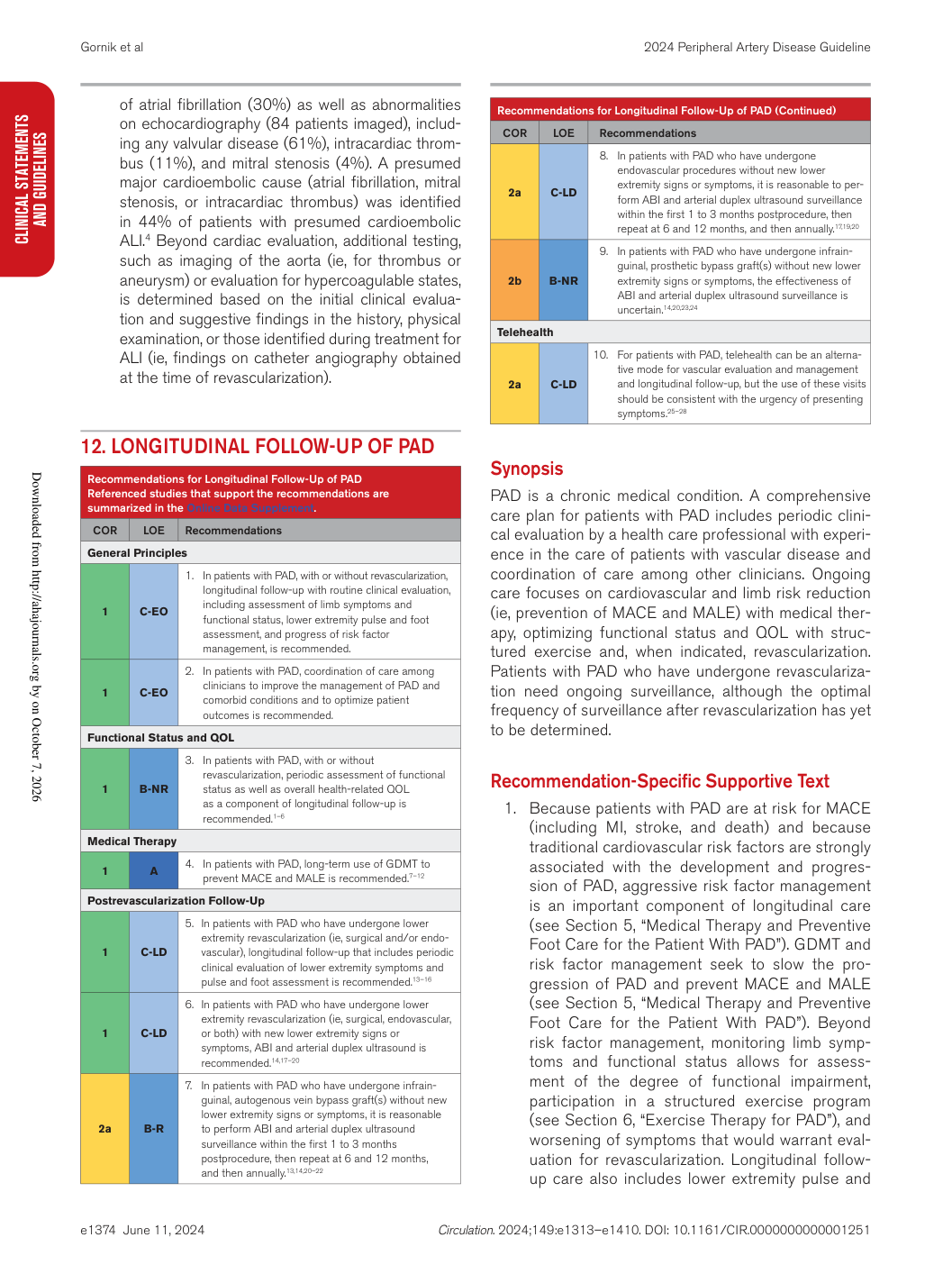
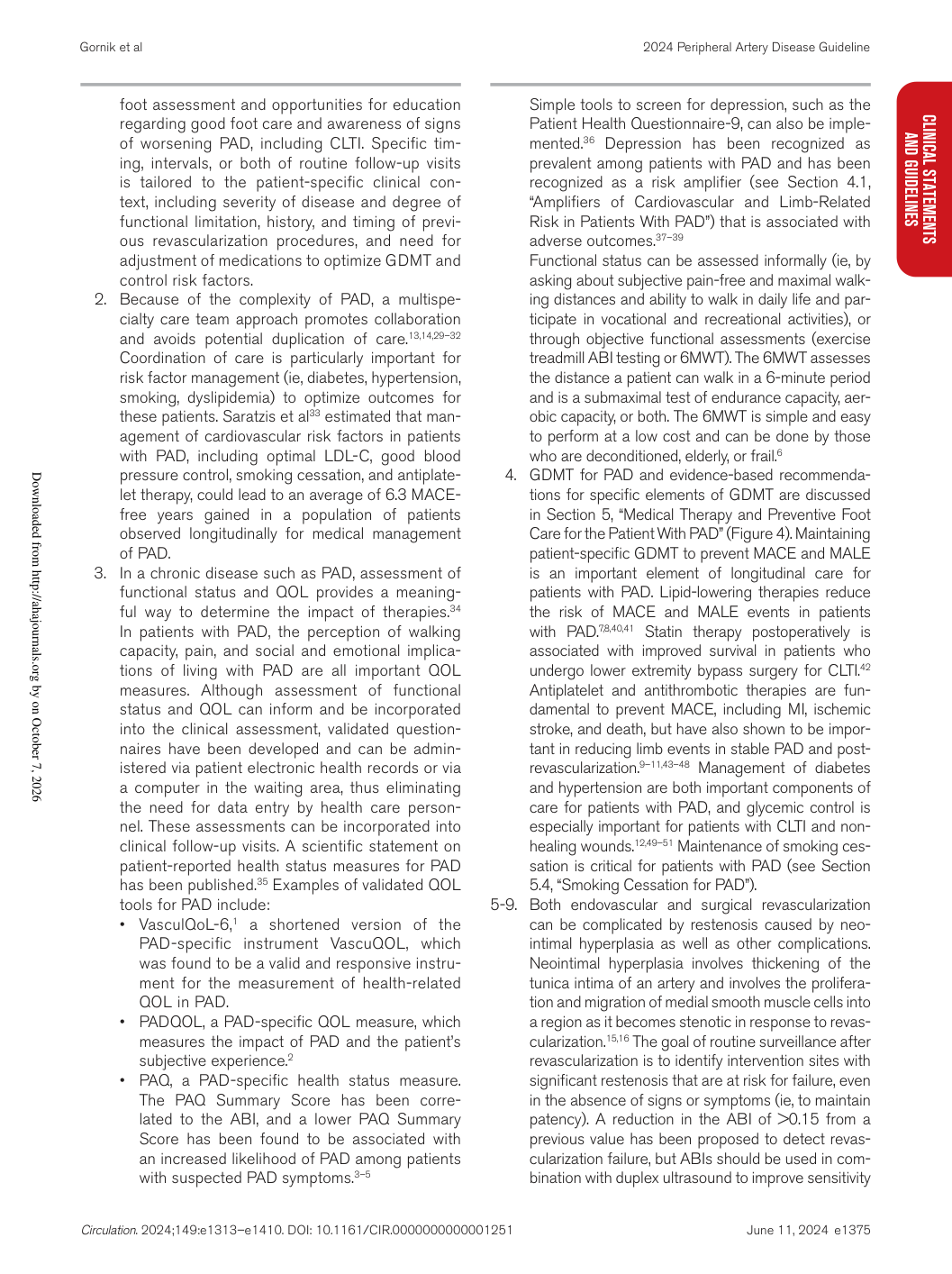
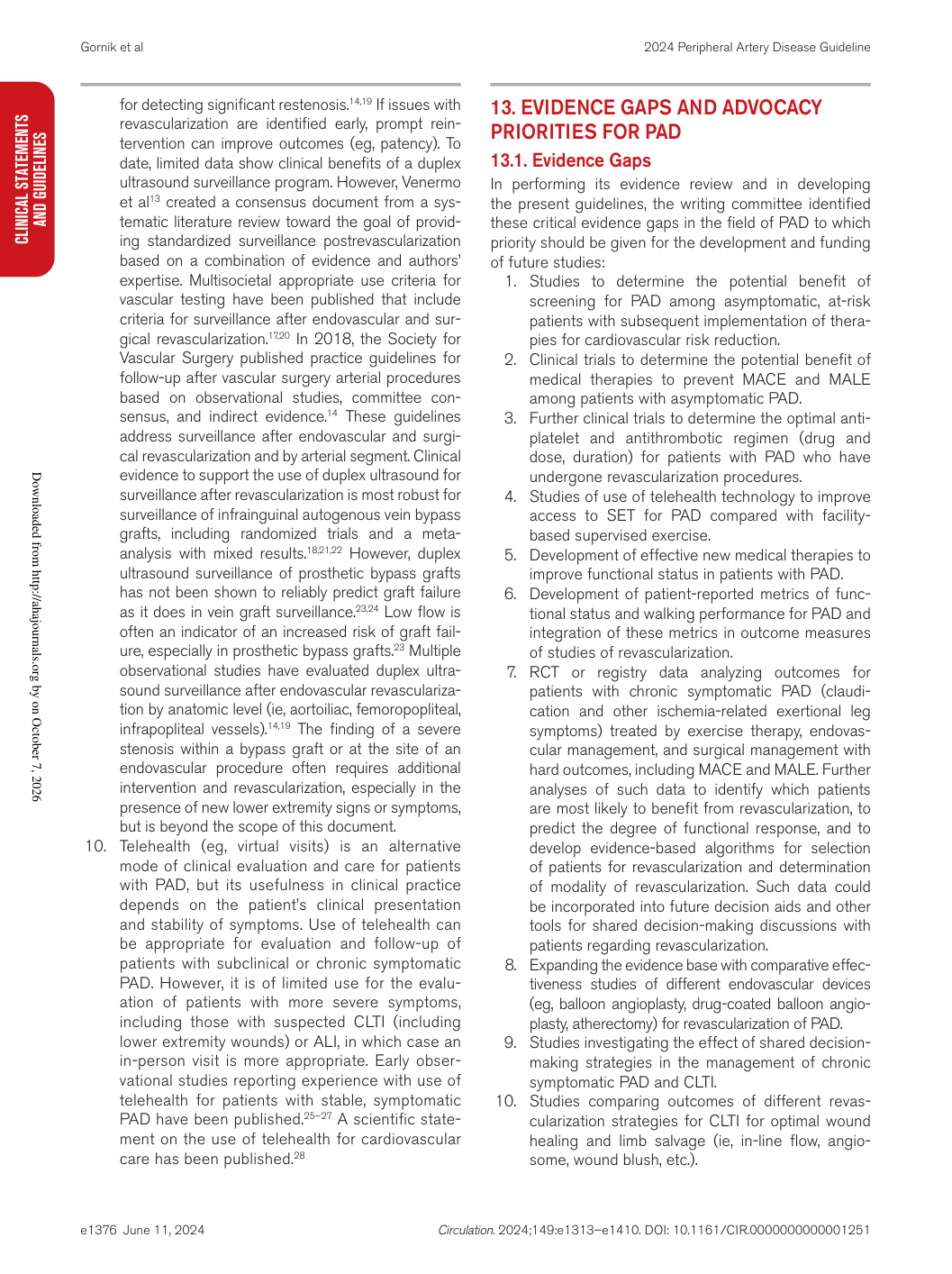
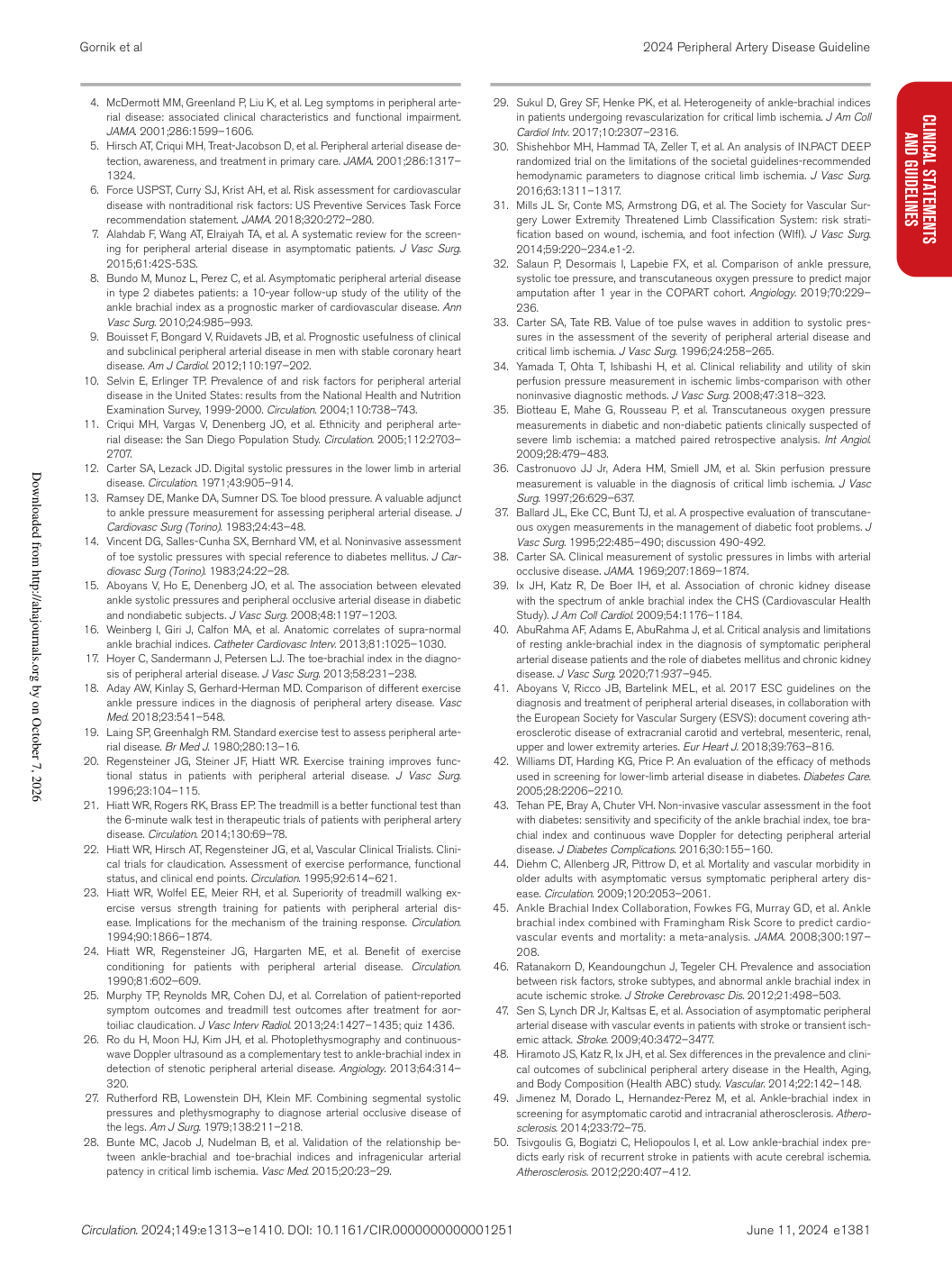
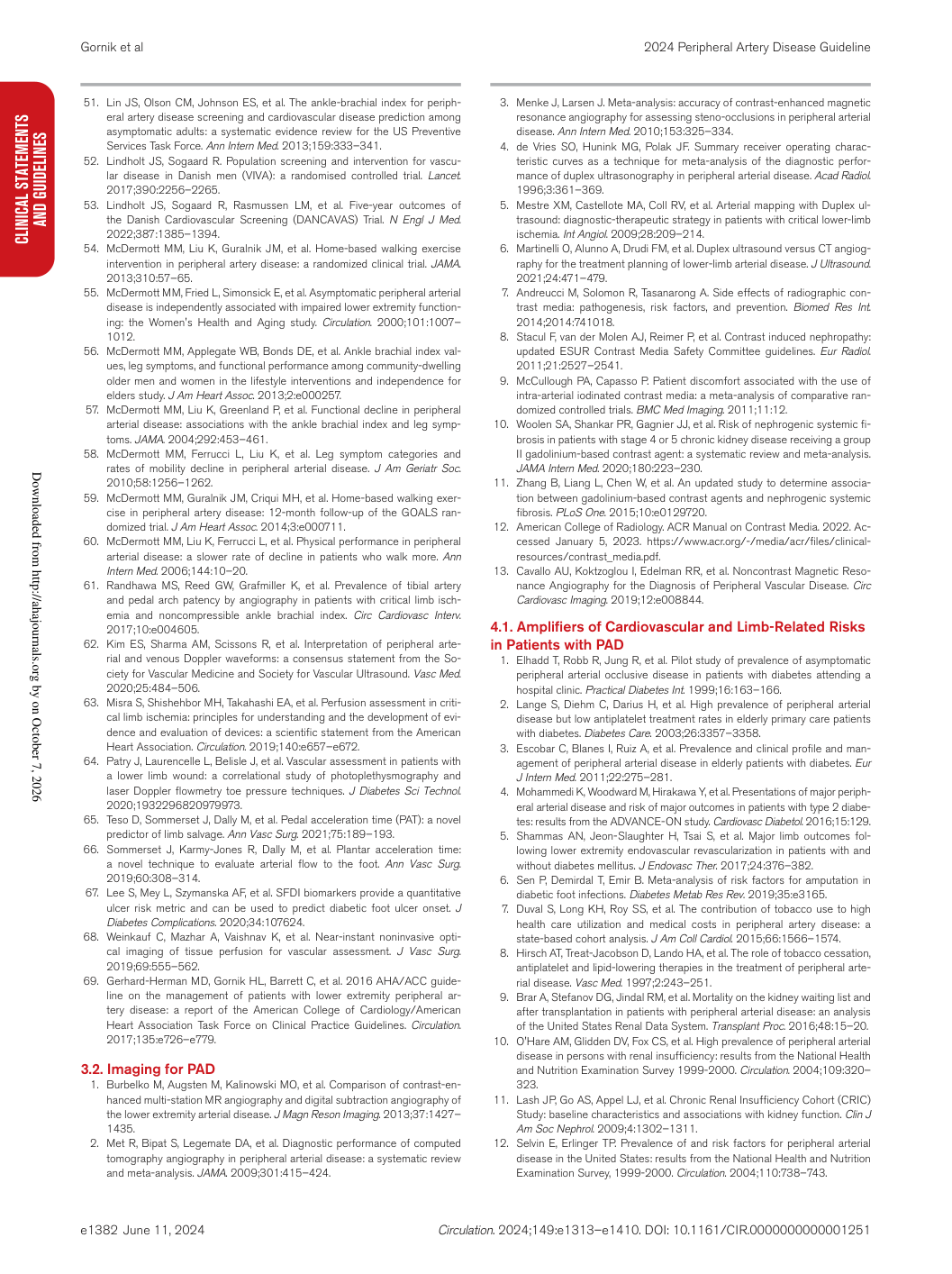
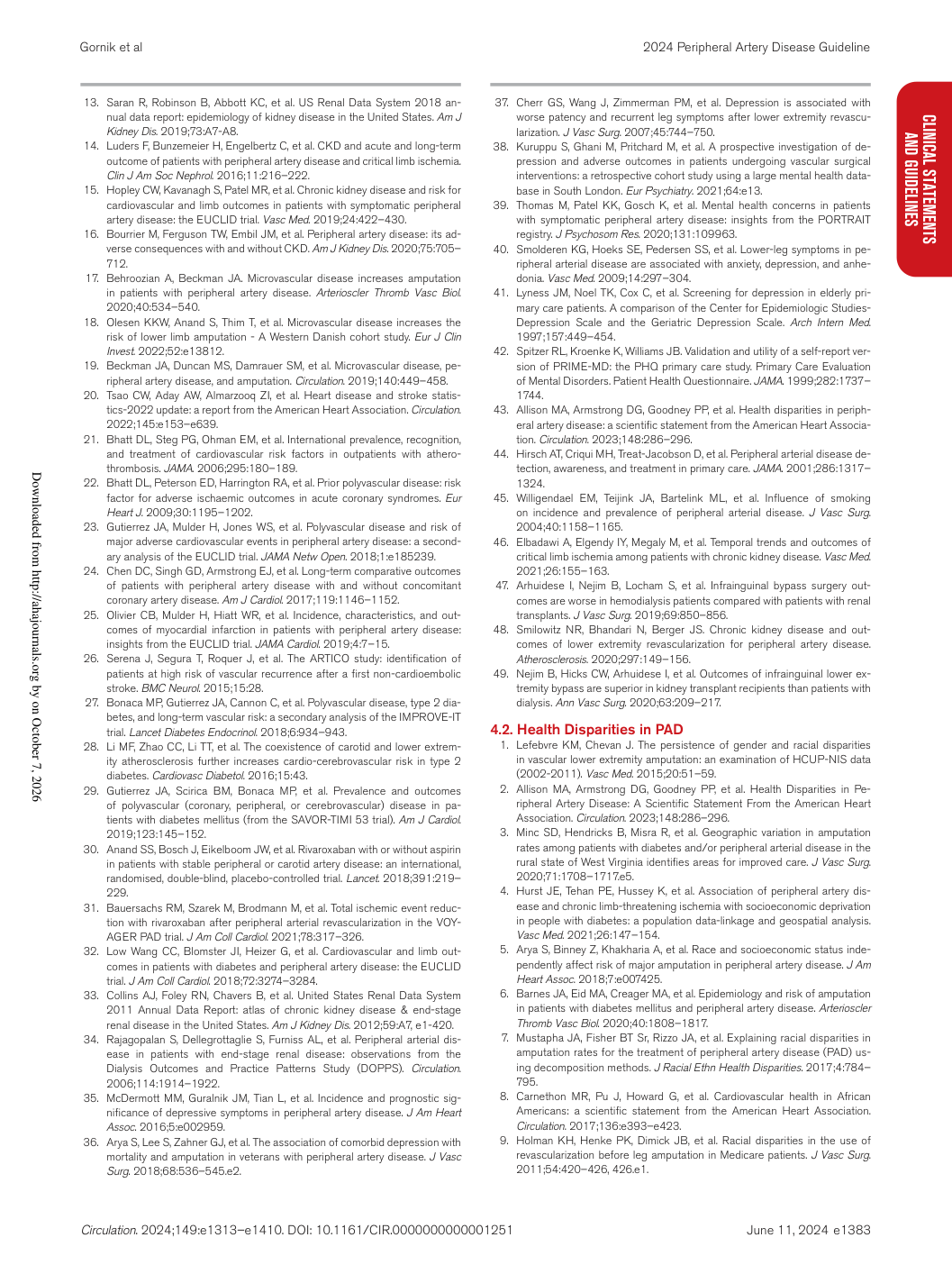
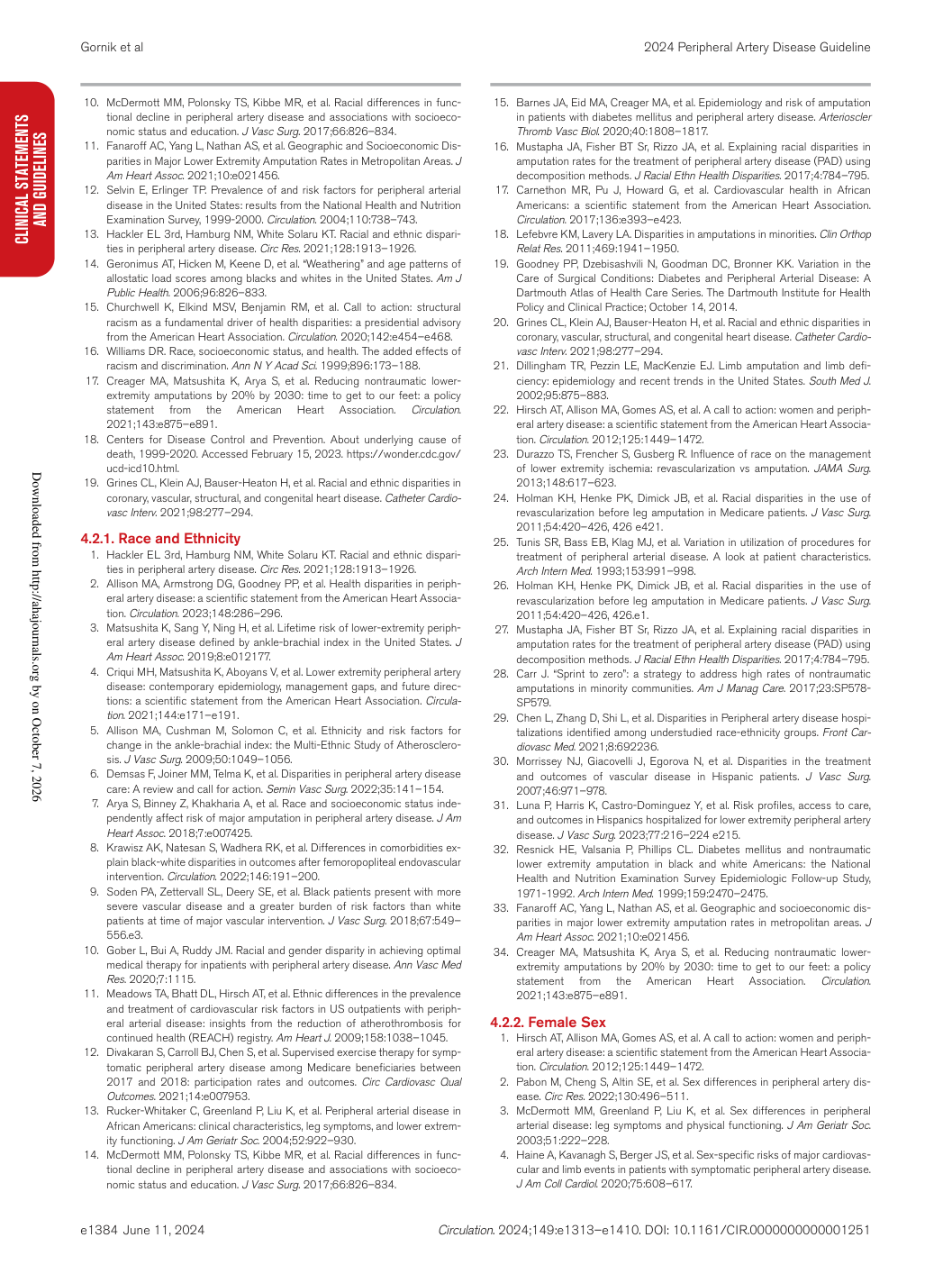
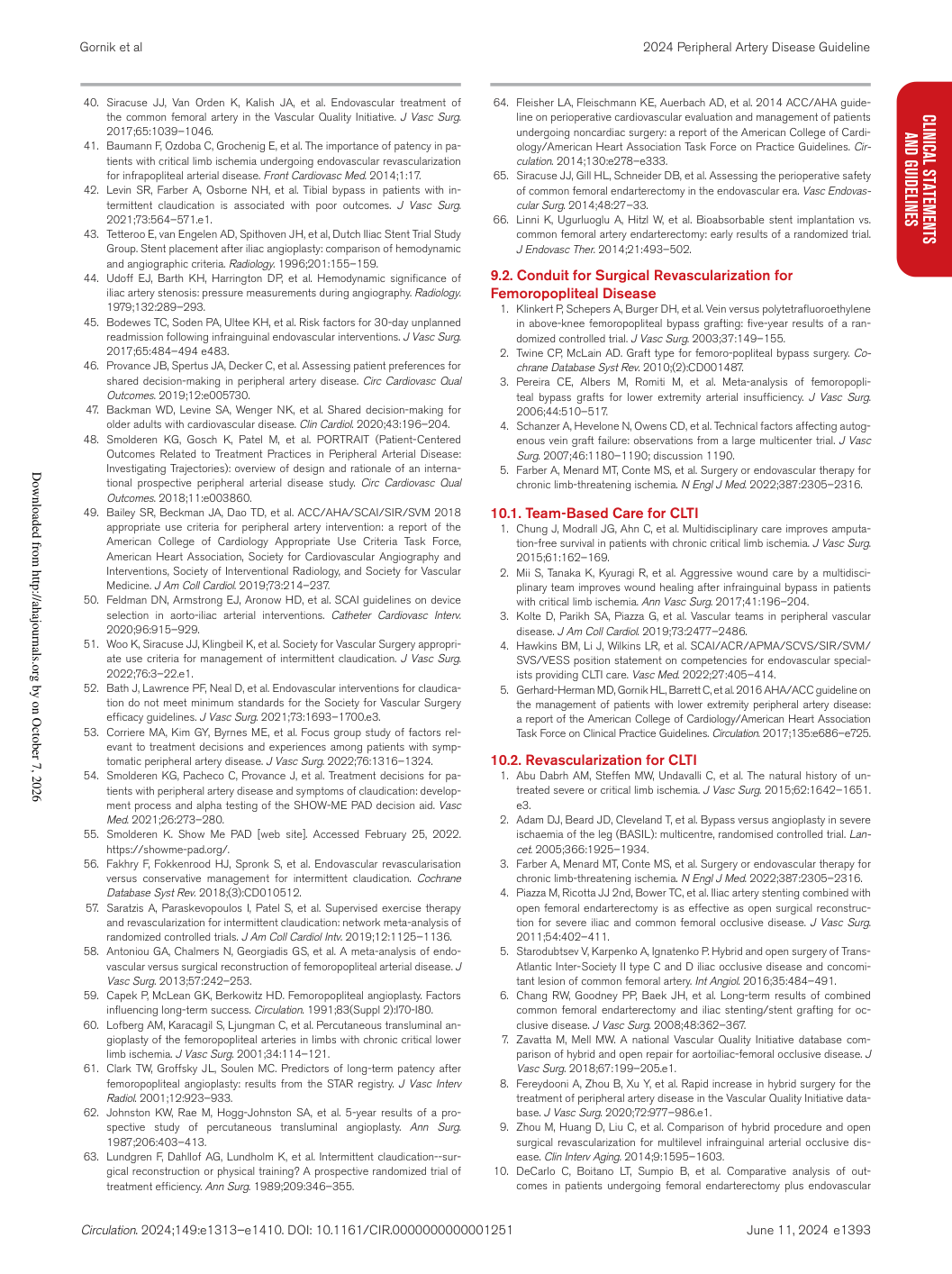
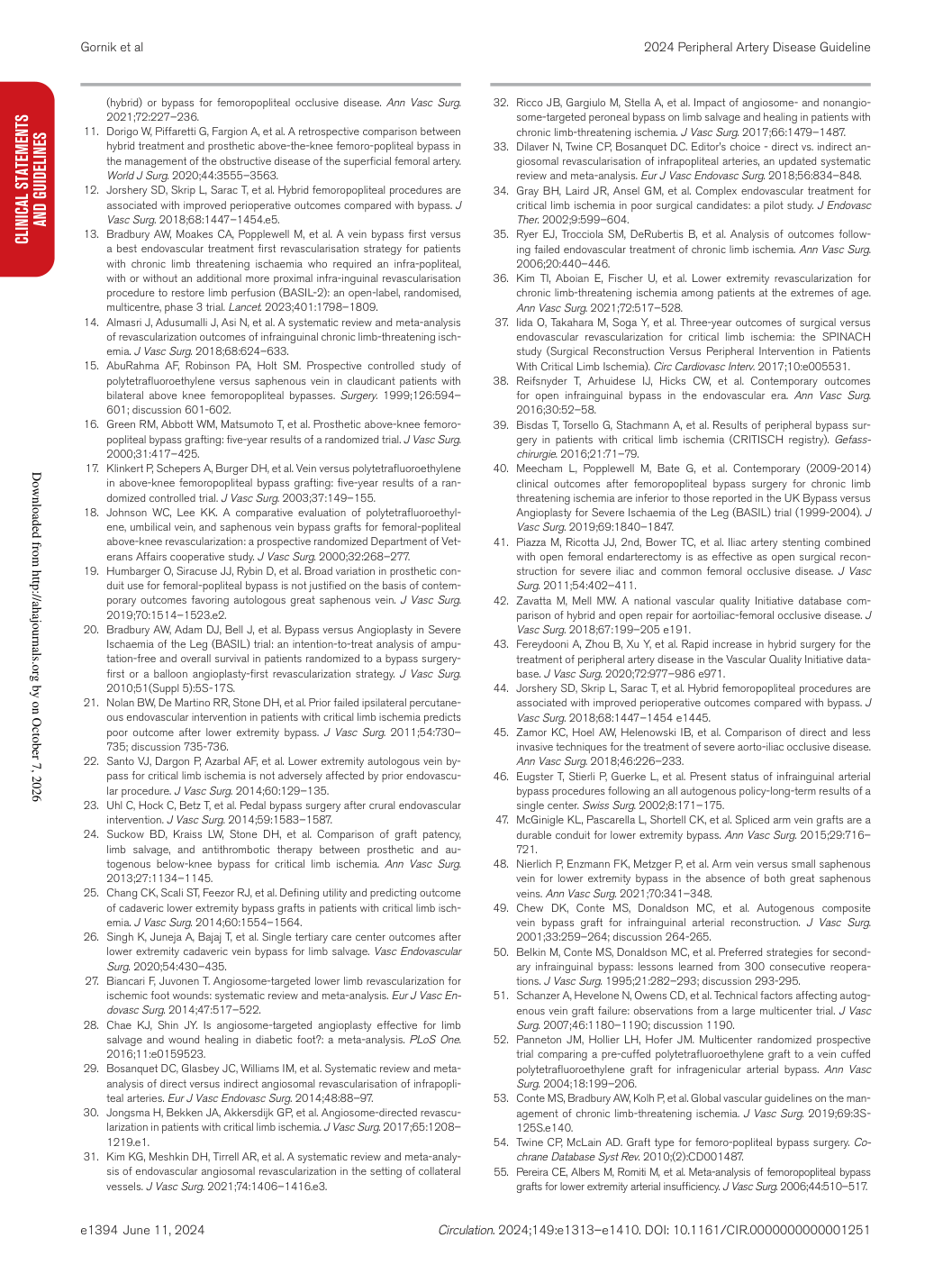
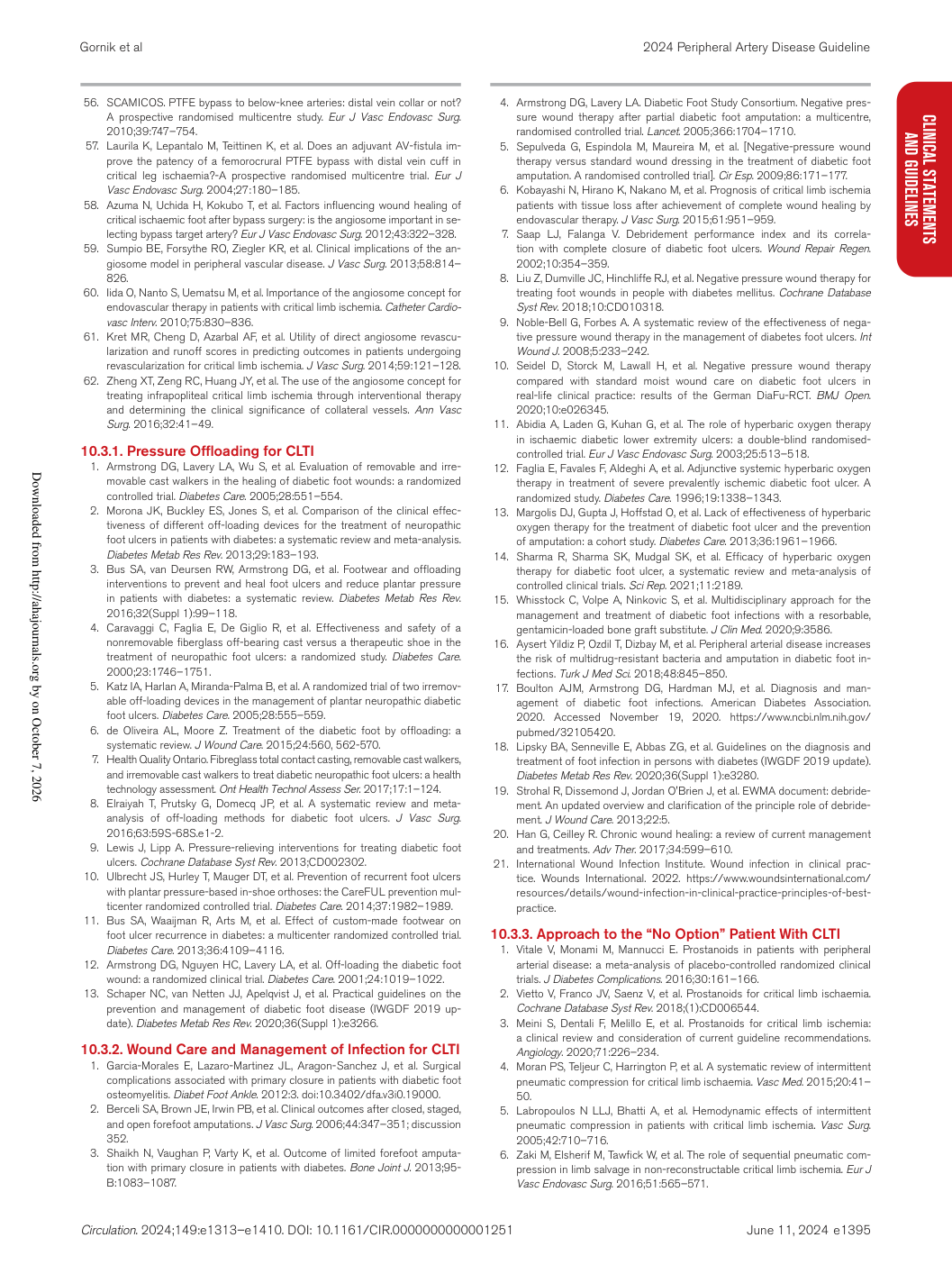
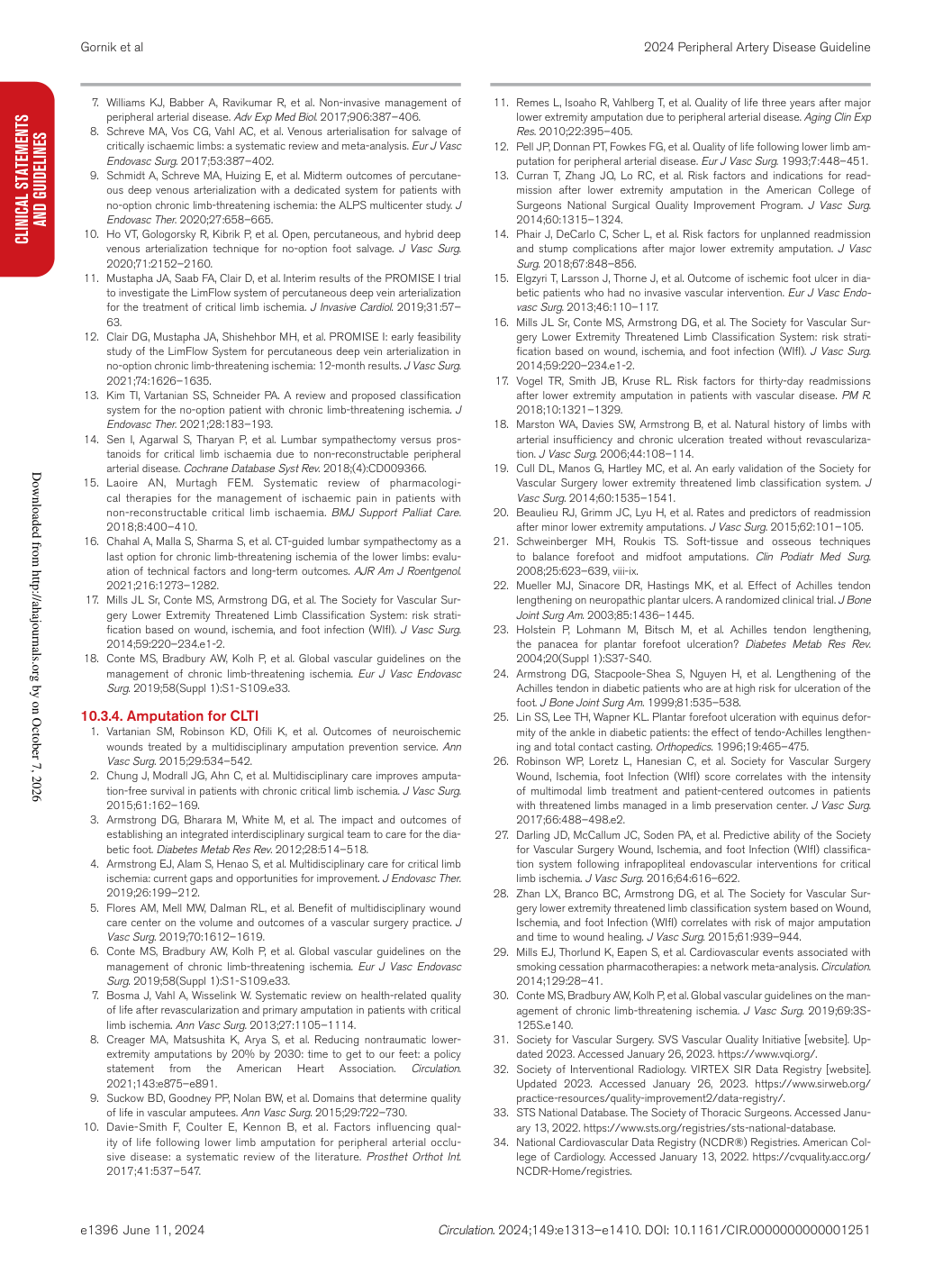
Circulation1 CLINICAL PRACTICE GUIDELINES1 2024 ACC/AHA/AACVPR/APMA/ABC/SCAI/1 TABLE OF CONTENTS2 11.1 Initial Clinical Evaluation and2 13 Evidence Gaps and Advocacy Priorities3 TOP 10 TAKE-HOME MESSAGES3 1 Peripheral artery disease (PAD) is a common car-3 PREAMBLE3 1 INTRODUCTION5 1.1 Methodology and Evidence Review5 1.2 Organization of the Writing Committee5 1.3 Document Review and Approval5 1.4 Scope of the Guideline5 1.5 Class of Recommendations and Level of8 1.6 Abbreviations9 2 CLINICAL ASSESSMENT FOR PAD9 2.1 Recognizing Clinical Subsets of PAD9 2.2 History and Physical Examination to Assess9 1 B-NR9 1 In patients at increased risk of PAD (Table 5), a9 1 B-NR9 2 In patients at increased risk of PAD (Table 5), a9 1 Patients at risk for PAD are identified based on11 3 DIAGNOSTIC TESTING FOR PAD12 3.1 Resting ABI and Additional Physiological12 1 B-NR12 1 In patients with history or physical examination find-12 1 B-NR12 2 The resting ABI should be reported as abnormal12 4 In patients not at increased risk of PAD (Table 5)12 1 B-NR12 5 In patients with suspected PAD, toe pressure/12 1 B-NR12 6 Patients with suspected chronic symptomatic12 7 In patients with PAD and an abnormal resting ABI12 8 In patients with chronic symptomatic PAD, it is12 9 In patients with suspected CLTI, it is reasonable12 1 The resting ABI is measured in each leg using a13 2 Standardized criteria for reporting the resting ABI13 3 The ABI test is noninvasive, is simple to perform, and13 5 Noncompressible tibial arteries occur frequently in14 6 The exercise treadmill ABI is generally measured14 7 In patients with objectively confirmed PAD and an15 9 The ABI alone may be inadequate to assess15 3.2 Imaging for PAD16 1 B-NR16 1 In patients with functionally limiting claudication with16 1 B-NR16 3 In patients with suspected PAD (ie, potential signs16 4 In patients with a confirmed diagnosis of PAD in whom16 1 Preprocedural imaging is used to plan a potential16 4.1 Amplifiers of Cardiovascular and17 1 C-EO17 1 In the evaluation of patients with PAD, clinicians17 1 Because of the association of PAD-related risk20 4.2 Health Disparities in PAD20 1 C-EO20 1 Clinicians and health care systems should actively20 1 Evidence of health disparities is common for patients21 4.3 Considerations in Management of PAD in22 5 MEDICAL THERAPY AND PREVENTIVE24 FOOT CARE FOR PATIENTS WITH PAD24 5.1 Antiplatelet and Antithrombotic Therapy for24 1 In patients with symptomatic PAD, single24 1 B-R24 2 In patients with symptomatic PAD, single antiplatelet24 1 C-LD24 3 In patients with symptomatic PAD, single antiplatelet24 4 In patients with symptomatic PAD, low-dose24 1 B-R 5. After endovascular or surgical revascularization for24 6 After endovascular or surgical revascularization24 7 After endovascular revascularization for PAD, dual24 8 After endovascular or surgical revascularization in24 9 In patients with asymptomatic PAD, single24 4 The COMPASS (Cardiovascular Outcomes for25 5 The use of antiplatelet agents after lower extremity25 6 The VOYAGER PAD trial assessed a regimen of25 7 Dual antiplatelet therapy after endovascular revas-25 8 The combination of full-intensity oral anticoagula-25 9 Patients with asymptomatic PAD may be too func-26 11 In the TRA 2P–TIMI 50 (Thrombin Receptor27 12 Data supporting dual antiplatelet therapy after27 13 RCTs and observational studies have uniformly27 5.2 Lipid-Lowering Therapy for PAD27 1 In patients with PAD, treatment with high-intensity27 2 In patients with PAD who are on maximally tolerated27 3 In patients with PAD who are on maximally tolerated27 3 In a subgroup analysis of the IMPROVE-IT (Improved28 5.3 Antihypertensive Therapy for PAD29 1 B-R29 2 In patients with PAD and hypertension, a systolic29 1 B-R29 3 In patients with PAD and hypertension, the selective29 1 Treatment of hypertension is indicated among29 2 The 2017 ACC/AHA hypertension clinical prac-29 5.4 Smoking Cessation for PAD30 1 Patients with PAD who smoke cigarettes or use any30 2 Patients with PAD who smoke cigarettes or use any30 1 B-NR30 3 Patients with PAD should be advised to avoid30 1 Overall, in the United States, 68% of adult smokers30 2 Coordinated smoking cessation interventions that30 3 Secondhand smoke contains nicotine, fine particu-30 5.5 Diabetes Management for PAD31 1 In patients with PAD and type 2 diabetes, use of31 1 C-EO31 2 In patients with PAD, management of diabetes31 1 Glucagon-like peptide-1 agonists (liraglutide31 5.6 Other Medical Therapies for Cardiovascular32 1 C-LD 1. Patients with PAD should receive an annual32 1 C-EO32 2 Patients with PAD should receive the severe acute32 3 In patients at high cardiovascular risk, a diet32 4 In patients with PAD, B-complex vitamin supple-32 1 Observational studies have shown reduced cardio-33 3 Healthy nutrition is important for preventing the33 4 Although patients with PAD have been shown to33 5.7 Medications for Leg Symptoms in Chronic34 1 In patients with claudication, cilostazol is34 2 In patients with PAD, cilostazol may be useful to34 3 In patients with PAD and congestive heart failure34 5 In patients with chronic symptomatic PAD, chelation34 1 In a Cochrane review of 15 double-blind RCTs34 3 Cilostazol is a phosphodiesterase III inhibitor; stud-34 4 In a multicenter RCT of pentoxifylline, cilostazol, or34 5.8 Preventive Foot Care for PAD35 1 C-LD35 1 In patients with PAD, providing general preventive35 1 C-EO 2. In patients with PAD, foot inspection by a clinician at35 1 C-LD35 3 In patients with PAD at high risk for ulcers and35 1 C-EO35 4 In patients with PAD, a comprehensive foot35 1 Education on foot self-care for patients with PAD35 3 The presence of foot deformities is a risk factor36 4 Foot ulcers and amputation caused by PAD or dia-36 5 Because of the complexity of PAD, a multispecialty36 6 EXERCISE THERAPY FOR PAD36 1 In patients with chronic symptomatic PAD, SET is37 3 In patients who have undergone revascularization37 1 B-R37 5 In patients with chronic symptomatic PAD, alterna-37 6 In patients with chronic symptomatic PAD, the use-37 7 In patients with chronic symptomatic PAD, the37 1 Data supporting the efficacy of SET as an initial38 6 Studies examining the effects of low-intensity39 7 Although a very strong evidence base supports39 7 REVASCULARIZATION FOR40 ASYMPTOMATIC PAD40 1 In patients with asymptomatic PAD, it is reasonable40 1 In patients with PAD, endovascular or surgical revas-40 2 Some patients with asymptomatic PAD can progress40 8 REVASCULARIZATION TECHNIQUES40 AND REGISTRIES FOR CHRONIC SYMPTOMATIC PAD AND CLTI40 9 REVASCULARIZATION FOR41 CLAUDICATION (CHRONIC SYMPTOMATIC PAD)41 9.1 Revascularization for Claudication42 1 B-NR42 1 In patients with functionally limiting claudication who42 2 In patients with functionally limiting claudication42 3 In patients with claudication who have had an42 4 In patients with functionally limiting claudication42 5 In patients with functionally limiting claudication42 6 In patients with functionally limiting claudication42 7 In patients with functionally limiting claudication42 8 In patients with functionally limiting claudication and42 9 In patients with functionally limiting claudication42 1 Treatment of claudication can improve health-43 2 Ongoing reevaluation and discussions between43 4 Multiple RCTs have compared endovascular proce-43 6 Although no randomized trials have compared44 8 Most studies of endovascular revascularization for45 9.2 Conduit for Surgical Revascularization for45 1 In patients who are undergoing surgical revascu-45 1 Multiple RCTs, systematic reviews, and meta-anal-45 10 MANAGEMENT OF CLTI45 10.1 Team-Based Care for CLTI46 1 B-NR46 1 In patients with CLTI, a multispecialty care team should46 1 The components of multispecialty care teams47 10.2 Revascularization for CLTI47 1 B-R47 1 In patients with CLTI, surgical, endovascular, or hybrid47 1 C-EO47 2 In patients with CLTI, an evaluation for revasculariza-47 3 In patients undergoing surgical revascularization for47 1 B-R47 5 In patients with CLTI who are candidates for surgical47 6 In patients with CLTI for whom a surgical approach47 7 In patients with CLTI and nonhealing wounds or47 8 In patients with CLTI with ischemic rest pain (ie, with-47 1 Patients with CLTI are at high risk of major ampu-48 2 In nonemergency circumstances (ie, patients who48 3 Many large RCTs and observational studies have49 4 Two recently published and seminal RCTs have49 7 The goal of revascularization for CLTI is to maxi-50 8 For patients with multilevel disease and isch-50 10.3 Minimizing Tissue Loss for CLTI50 1 Patients with CLTI and diabetic foot ulcers should50 1 B-R50 2 Patients with PAD and previous diabetic foot ulcers50 3 Patients with CLTI and foot ulcers who do not have50 1 Multiple randomized and nonrandomized studies51 2 At least 2 well-conducted RCTs have shown that51 3 By far, most research on the efficacy of pressure51 1 B-NR51 1 In patients with CLTI, prompt management of foot51 1 C-LD51 3 In patients with CLTI with nonhealing diabetic51 1 Foot infection, particularly among patients with51 3 Numerous studies of various sizes, including some52 1 In patients with CLTI for whom revascularization is52 2 In patients with CLTI for whom revascularization is52 3 In patients with CLTI for whom arterial52 1 Prostanoids have been considered as poten-53 2 An arterial intermittent pneumatic compression53 1 B-NR54 1 C-EO54 2 In patients with CLTI, primary amputation is indicated54 1 C-EO54 3 In patients with CLTI, a patient-centered approach54 1 C-EO54 4 In patients with CLTI undergoing minor amputation54 5 For patients with CLTI, retrospective assessment of54 1 Multispecialty care team collaboration (Table 15)54 11 ACUTE LIMB ISCHEMIA56 11.1 Initial Clinical Evaluation and Diagnostic56 1 C-EO56 1 Patients with ALI should be evaluated on an56 1 C-LD56 2 In patients with suspected ALI, the initial clinical56 3 In patients with ALI who have a complicated history56 1 Patients with ALI should be evaluated on an emer-56 3 Patients who present with ALI and a history of57 11.2 Management of ALI58 2 In patients with ALI and a salvageable limb who are58 3 In patients presenting with ALI from58 1 Revascularization is indicated in patients with ALI58 2 Multiple retrospective nonrandomized studies and58 3 Additional evaluation and consideration before59 1 C-EO59 1 Patients with ALI should be monitored and treated for59 2 In patients with ALI with a threatened but salvageable59 3 In patients with ALI and prolonged ischemia in whom59 1 The lower extremity muscles are at risk for reper-59 1 C-EO60 1 In patients with ALI, regardless of cause or60 1 In the absence of contraindication (eg, active60 11.3 Diagnostic Evaluation for the Cause of ALI60 1 C-EO60 1 In patients with ALI, a comprehensive medical history60 1 Underlying PAD is a common cause of ALI. Among61 12 LONGITUDINAL FOLLOW-UP OF PAD62 1 C-EO62 2 In patients with PAD, coordination of care among62 1 B-NR62 3 In patients with PAD, with or without62 1 A 4. In patients with PAD, long-term use of GDMT to62 1 C-LD62 5 In patients with PAD who have undergone lower62 1 C-LD62 6 In patients with PAD who have undergone lower62 7 In patients with PAD who have undergone infrain-62 8 In patients with PAD who have undergone62 9 In patients with PAD who have undergone infrain-62 1 Because patients with PAD are at risk for MACE62 4 GDMT for PAD and evidence-based recommenda-63 13 EVIDENCE GAPS AND ADVOCACY64 11 Studies to determine ideal timing and modality for65 13.2 Advocacy Priorities65 4 Focus on quality outcomes in PAD (prescription of65 PEER REVIEW COMMITTEE MEMBERS65 AHA/ACC JOINT COMMITTEE ON CLINICAL PRACTICE GUIDELINES65 PRESIDENTS AND STAFF66 4 ACCF/AHA Task Force on Practice Guidelines. Methodology Manual66 27 Zhan LX, Branco BC, Armstrong DG, et al. The Society for Vascular Sur-68 4 McDermott MM, Greenland P, Liu K, et al. Leg symptoms in peripheral arte-69 29 Sukul D, Grey SF, Henke PK, et al. Heterogeneity of ankle-brachial indices69 51 Lin JS, Olson CM, Johnson ES, et al. The ankle-brachial index for periph-70 3 Menke J, Larsen J. Meta-analysis: accuracy of contrast-enhanced magnetic70 13 Saran R, Robinson B, Abbott KC, et al. US Renal Data System 2018 an-71 37 Cherr GS, Wang J, Zimmerman PM, et al. Depression is associated with71 10 McDermott MM, Polonsky TS, Kibbe MR, et al. Racial differences in func-72 15 Barnes JA, Eid MA, Creager MA, et al. Epidemiology and risk of amputation72 5 Parvar SL, Thiyagarajah A, Nerlekar N, et al. A systematic review and meta-73 9 Pereira-Neves A, Barros D, Rocha-Neves J, et al. Impact of sarcopenia in73 3 Berger JS, Krantz MJ, Kittelson JM, et al. Aspirin for the prevention of74 12 Suckow BD, Kraiss LW, Schanzer A, et al. Statin therapy after infrainguinal75 17 ElSayed NA, Aleppo G, Aroda VR, et al. Introduction and methodology: stan-76 13 Ciccarone E, Di Castelnuovo A, Salcuni M, et al. A high-score Mediter-77 17 Murphy TP, Cutlip DE, Regensteiner JG, et al. Supervised exercise versus78 40 Fakhry F, Fokkenrood HJ, Spronk S, et al. Endovascular revascularisation79 63 Fakhry F, Spronk S, de Ridder M, et al. Long-term effects of struc-79 2 Feldman DN, Armstrong EJ, Aronow HD, et al. SCAI guidelines on device80 40 Siracuse JJ, Van Orden K, Kalish JA, et al. Endovascular treatment of81 64 Fleisher LA, Fleischmann KE, Auerbach AD, et al. 2014 ACC/AHA guide-81 32 Ricco JB, Gargiulo M, Stella A, et al. Impact of angiosome- and nonangio-82 56 SCAMICOS. PTFE bypass to below-knee arteries: distal vein collar or not?83 4 Armstrong DG, Lavery LA. Diabetic Foot Study Consortium. Negative pres-83 7 Williams KJ, Babber A, Ravikumar R, et al. Non-invasive management of84 35 McNamara CT, Iorio ML. Targeted muscle reinnervation: outcomes in treat-85 234 12. Wu MD, Moslehi JJ, Lindner JR. Arterial thrombotic complications of tyro-85 13 Attisani L, Pucci A, Luoni G, et al. COVID-19 and acute limb ischemia: a85 38 McNamara TO, Bomberger RA. Factors affecting initial and 6 month pa-86 8 Hess CN, Huang Z, Patel MR, et al. Acute limb ischemia in peripheral artery86 915 13. Santiago MB, Paz A. Acute peripheral and/or cutaneous ischemic syn-86
p.1
p.2
p.3
p.4
p.5
p.6
p.7
p.8
p.9
p.10
p.11
p.12
p.13
p.14
p.15
p.16
p.17
p.18
p.19
p.20
p.21
p.22
p.23
p.24
p.25
p.26
p.27
p.28
p.29
p.30
p.31
p.32
p.33
p.34
p.35
p.36
p.37
p.38
p.39
p.40
p.41
p.42
p.43
p.44
p.45
p.46
p.47
p.48
p.49
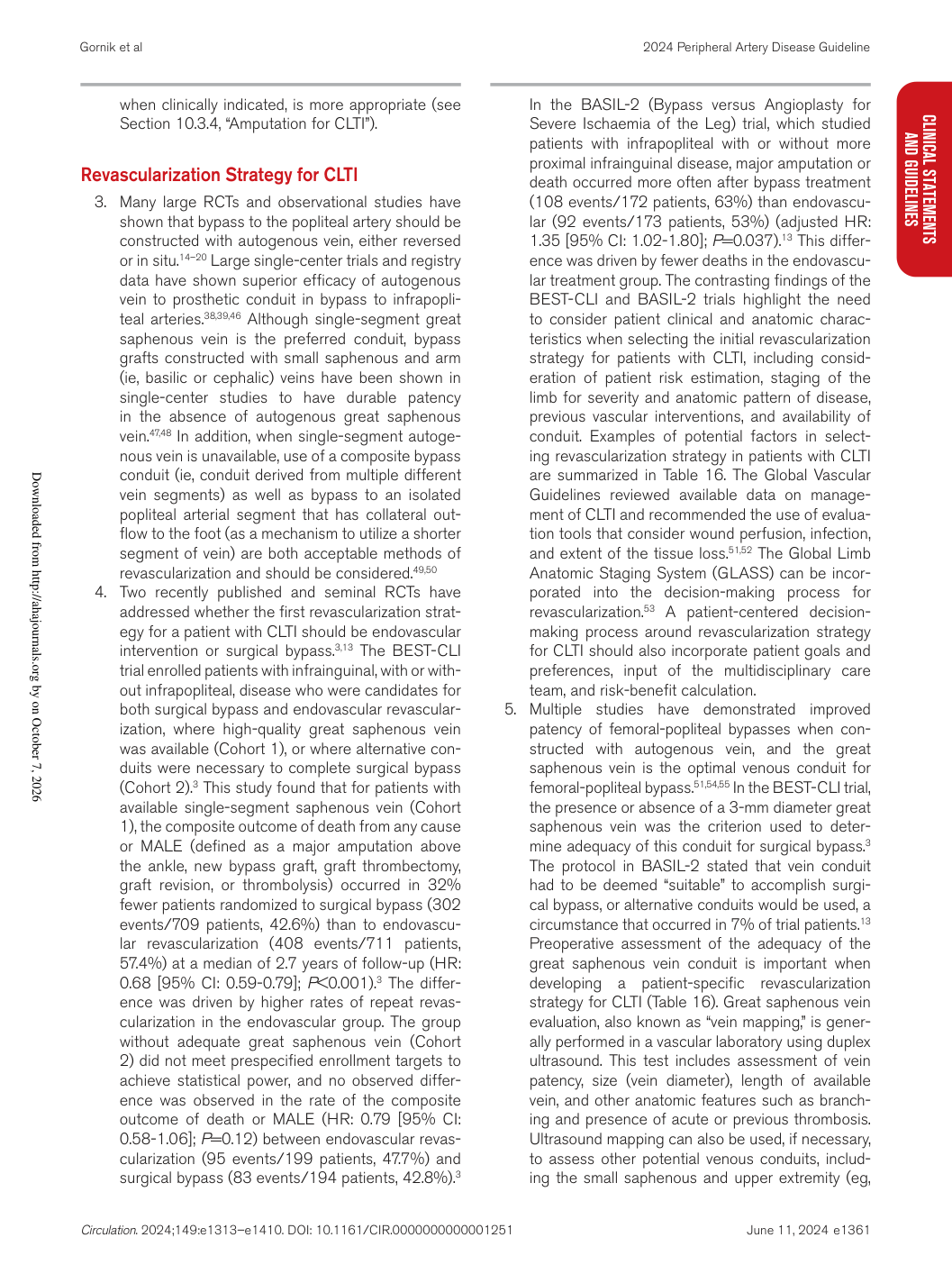
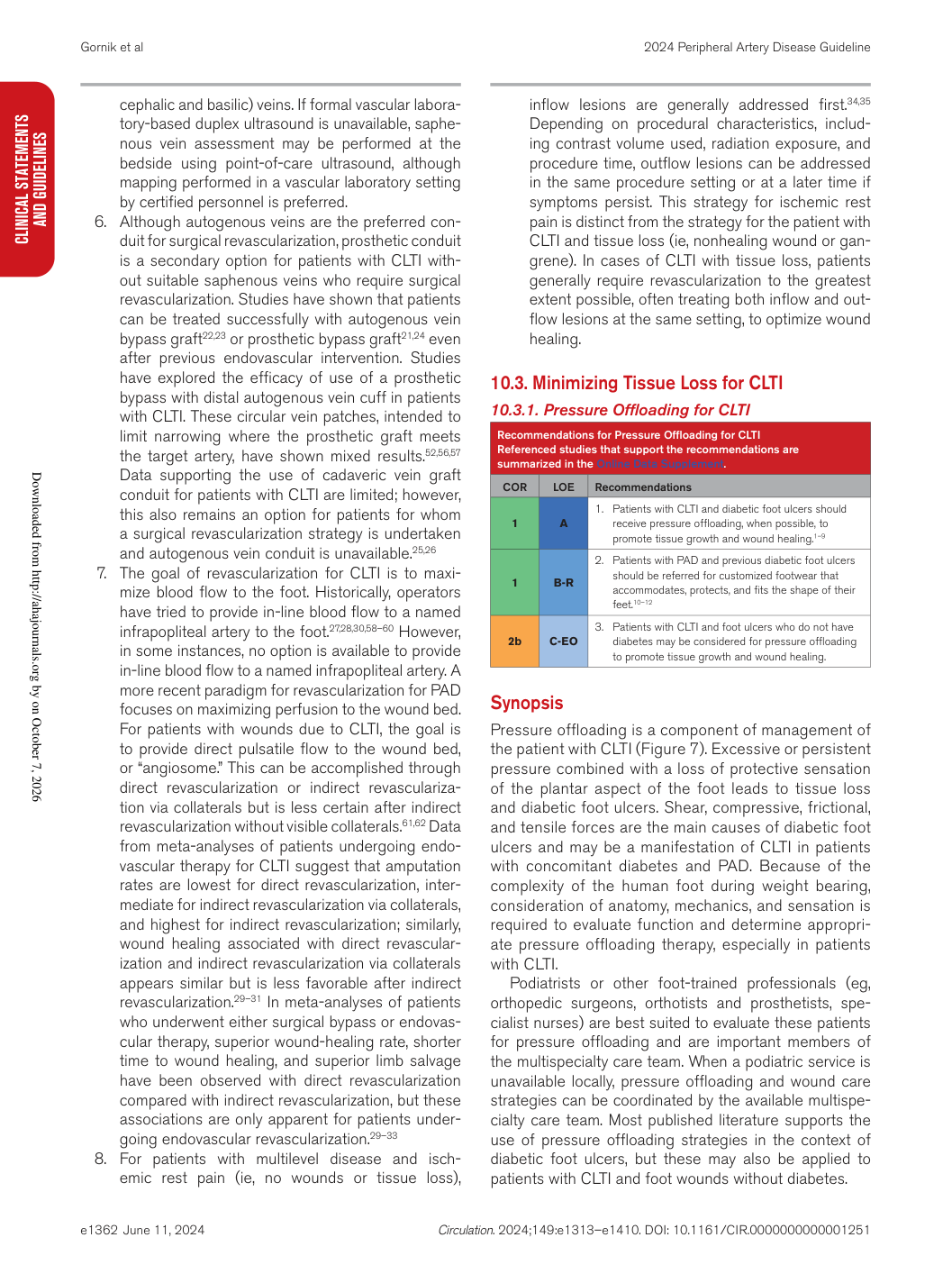
p.50
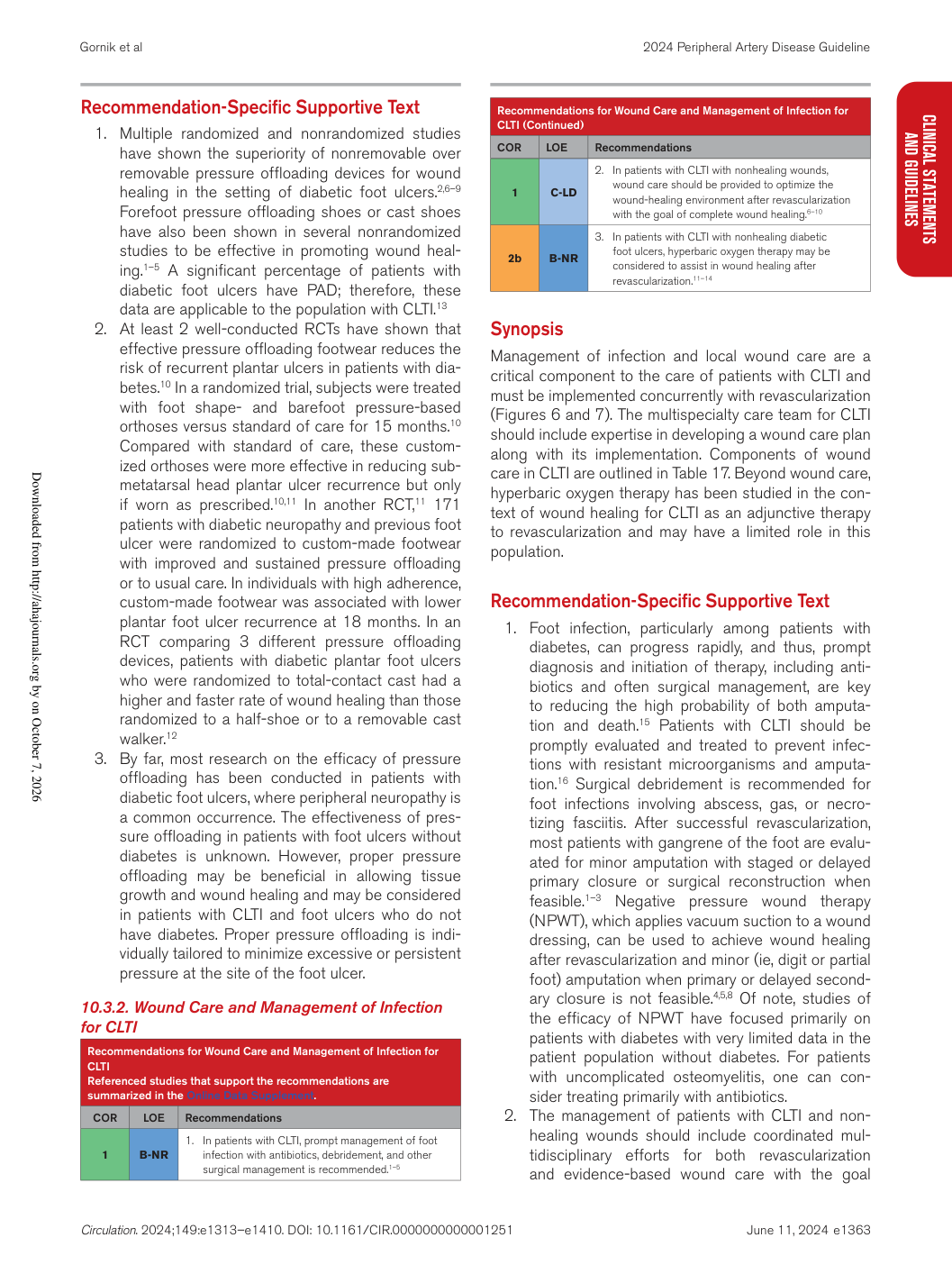
p.51
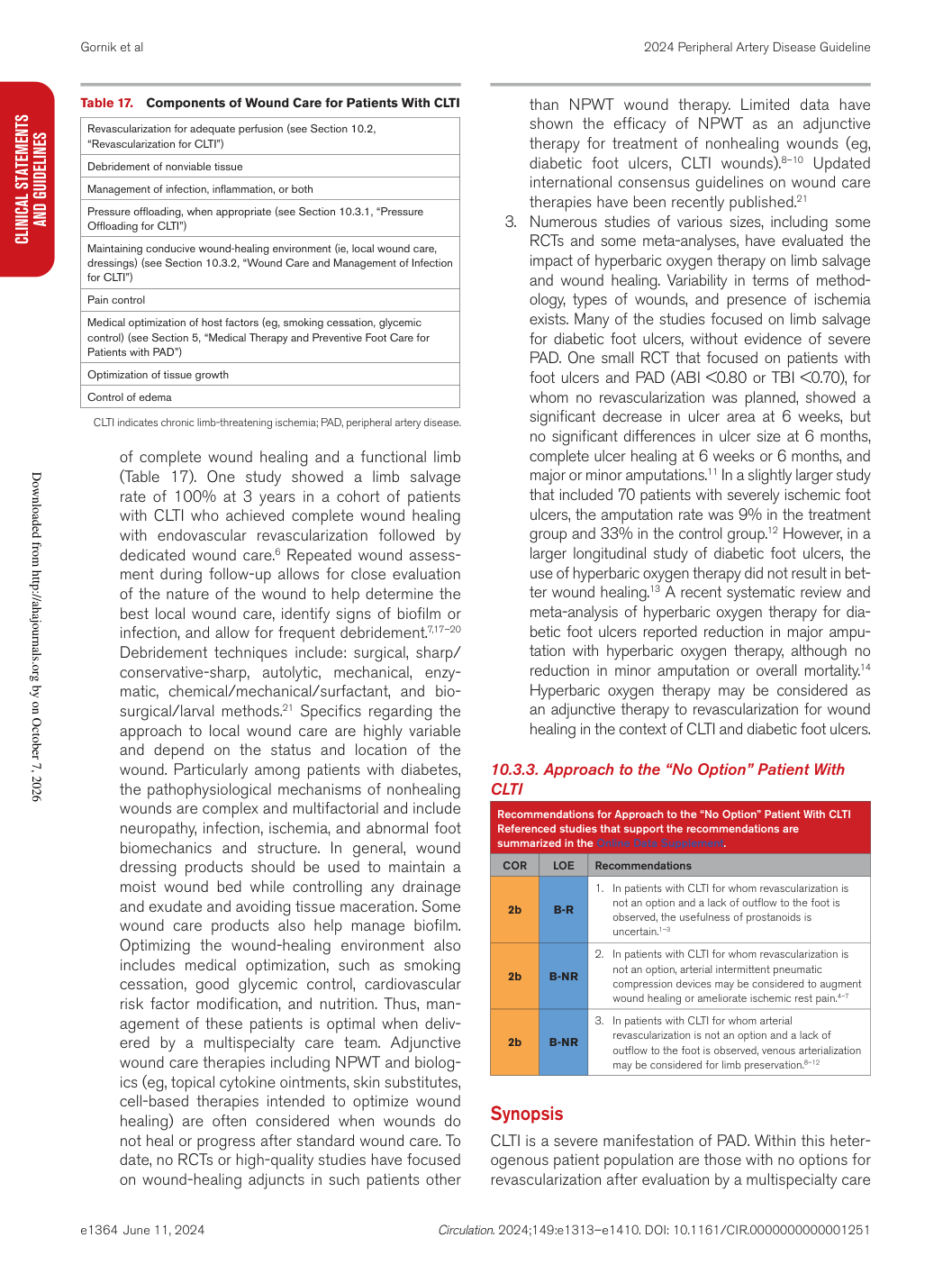
p.52
p.53
p.54
p.55
p.56
p.57
p.58
p.59
p.60
p.61
p.62
p.63
p.64
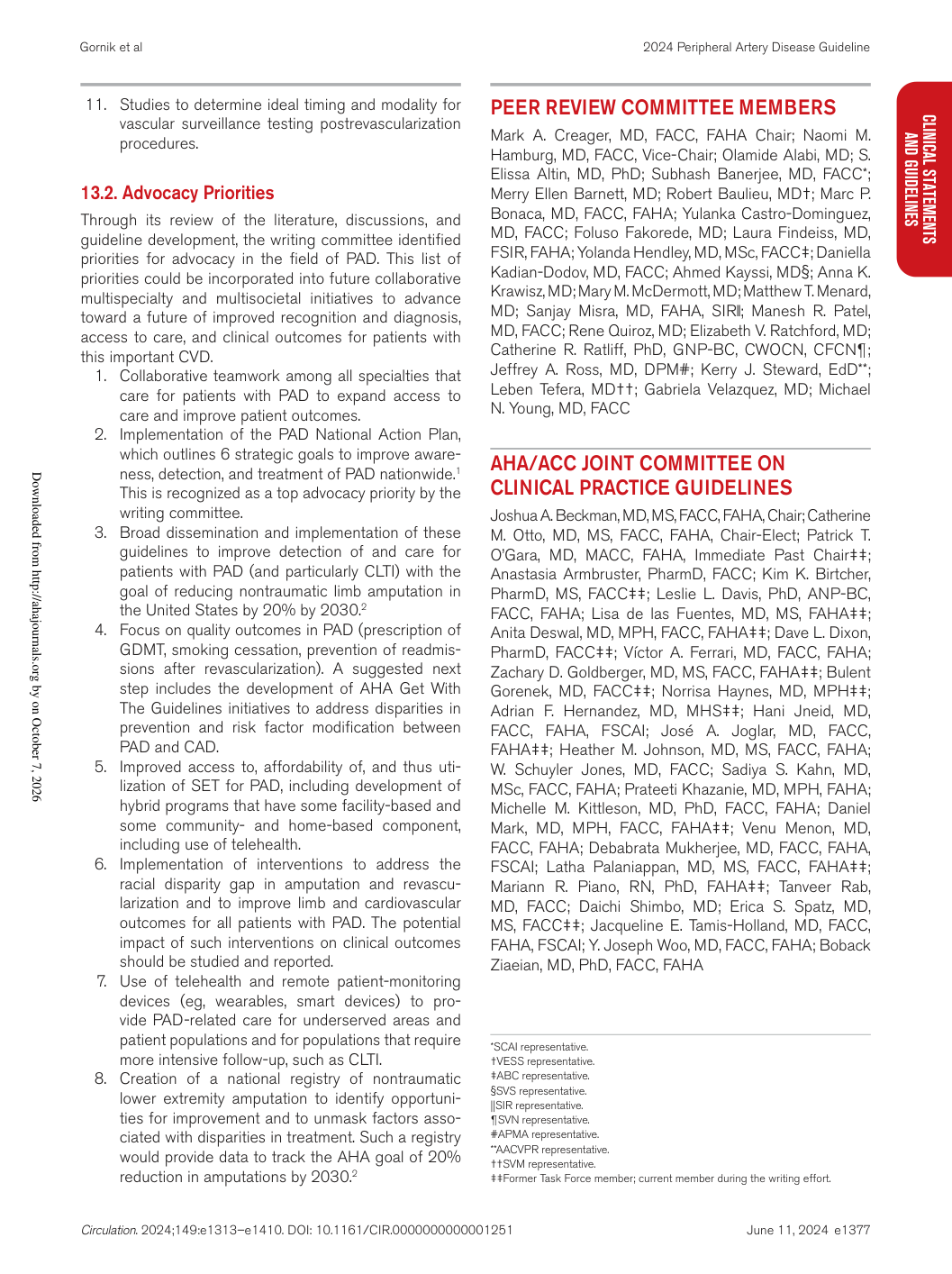
p.65
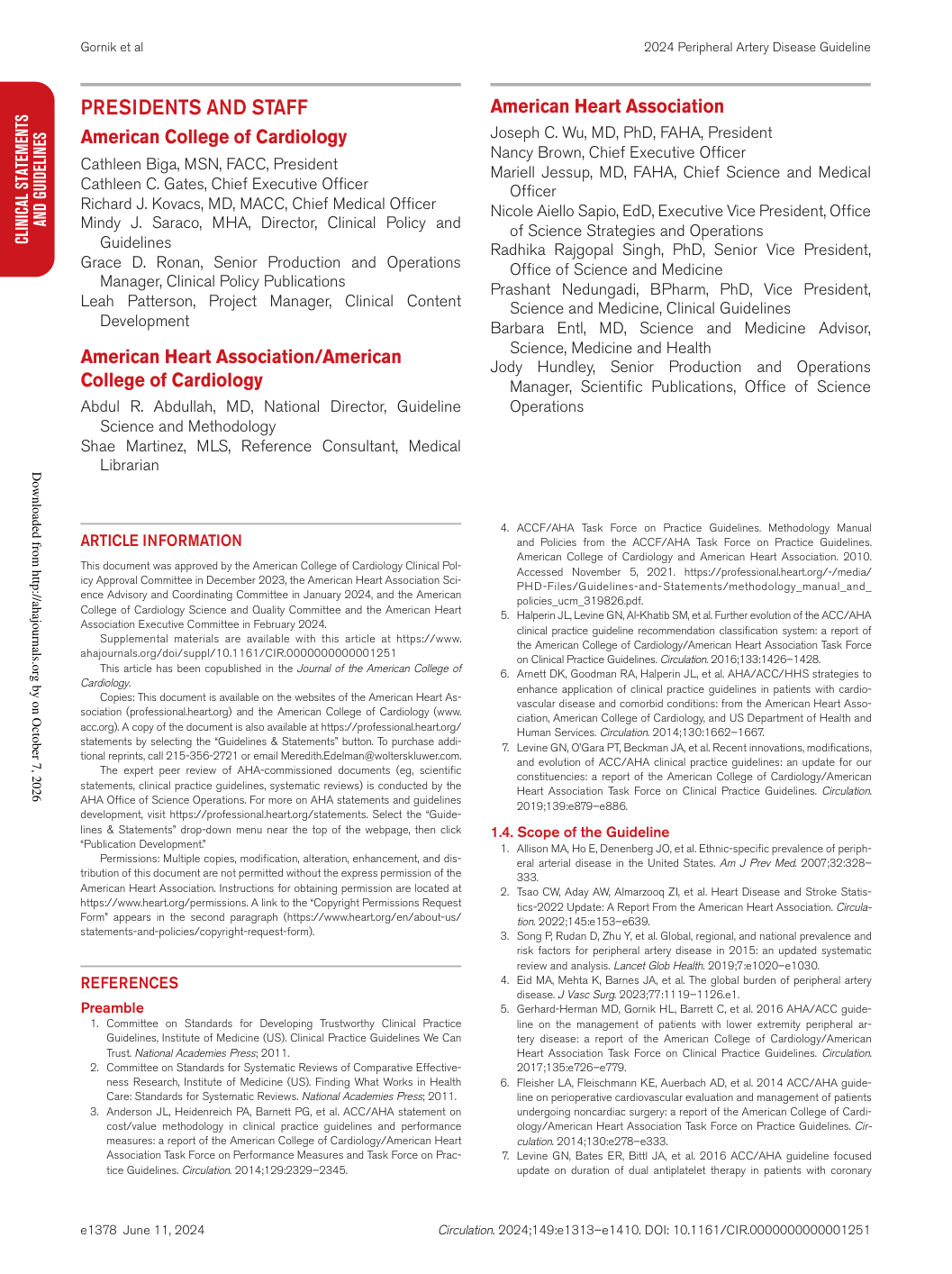
p.66
p.67
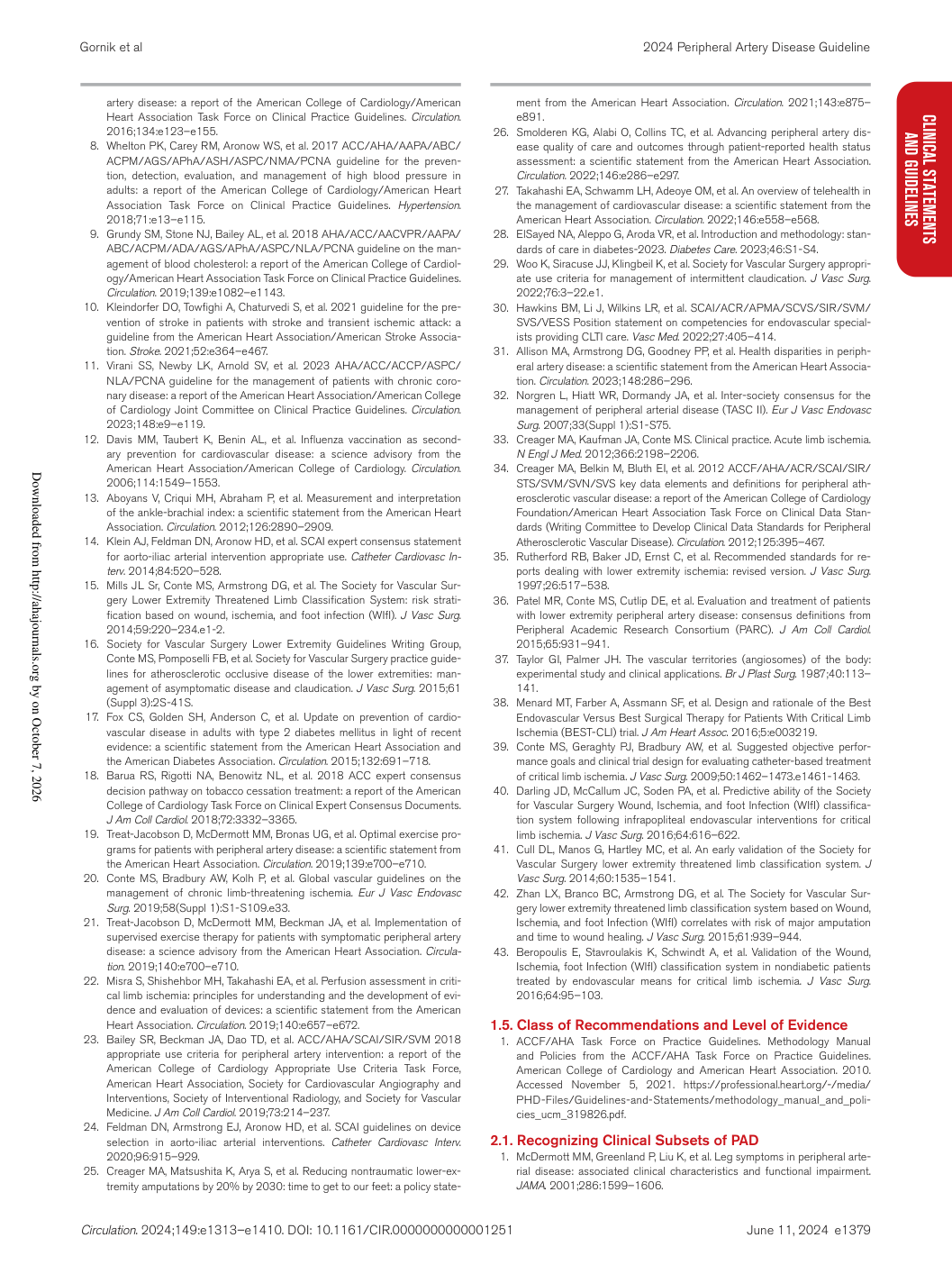
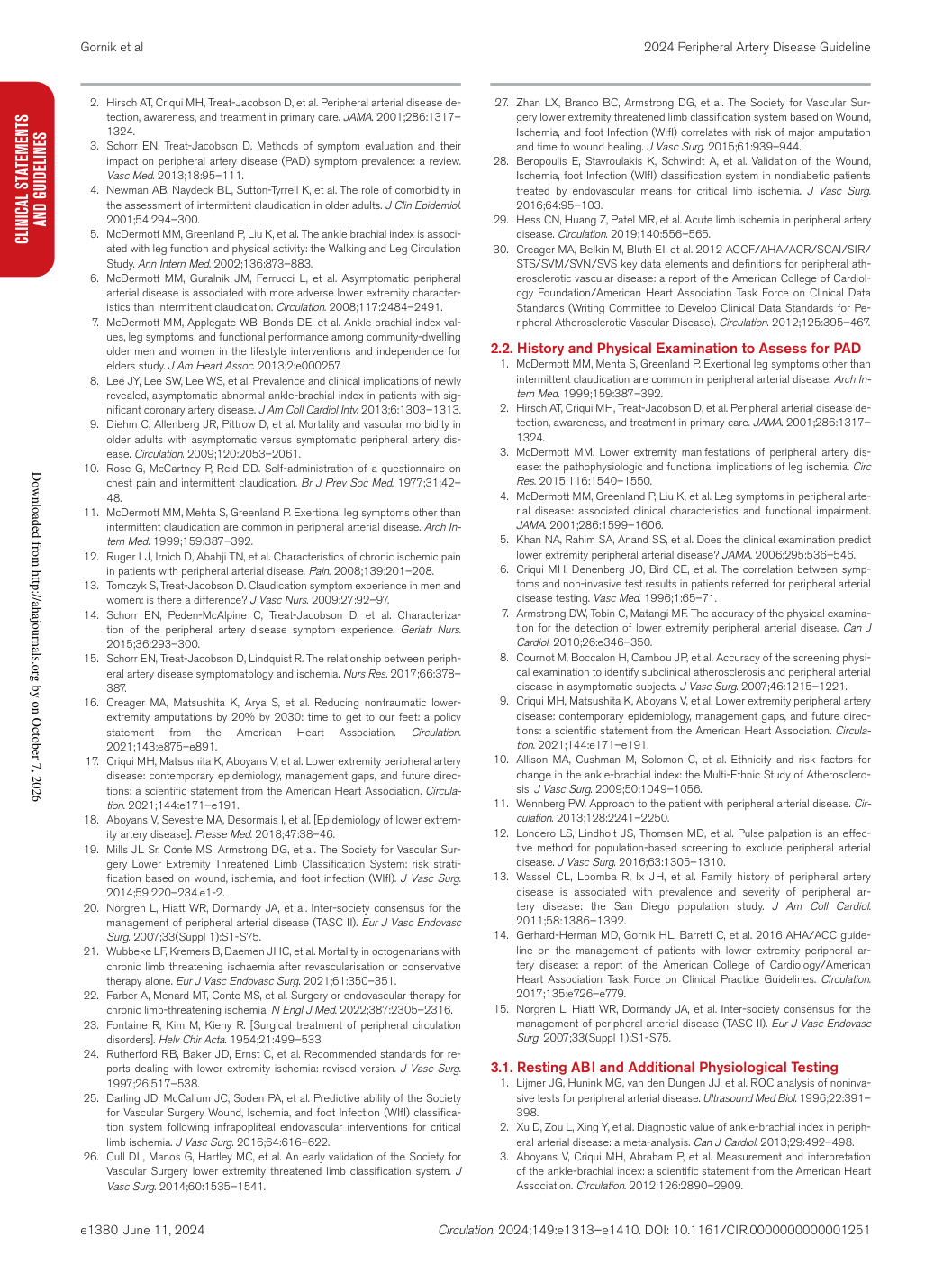
p.68
p.69
p.70
p.71
p.72
p.73
p.74
p.75
p.76
p.77
p.78
p.79
p.80
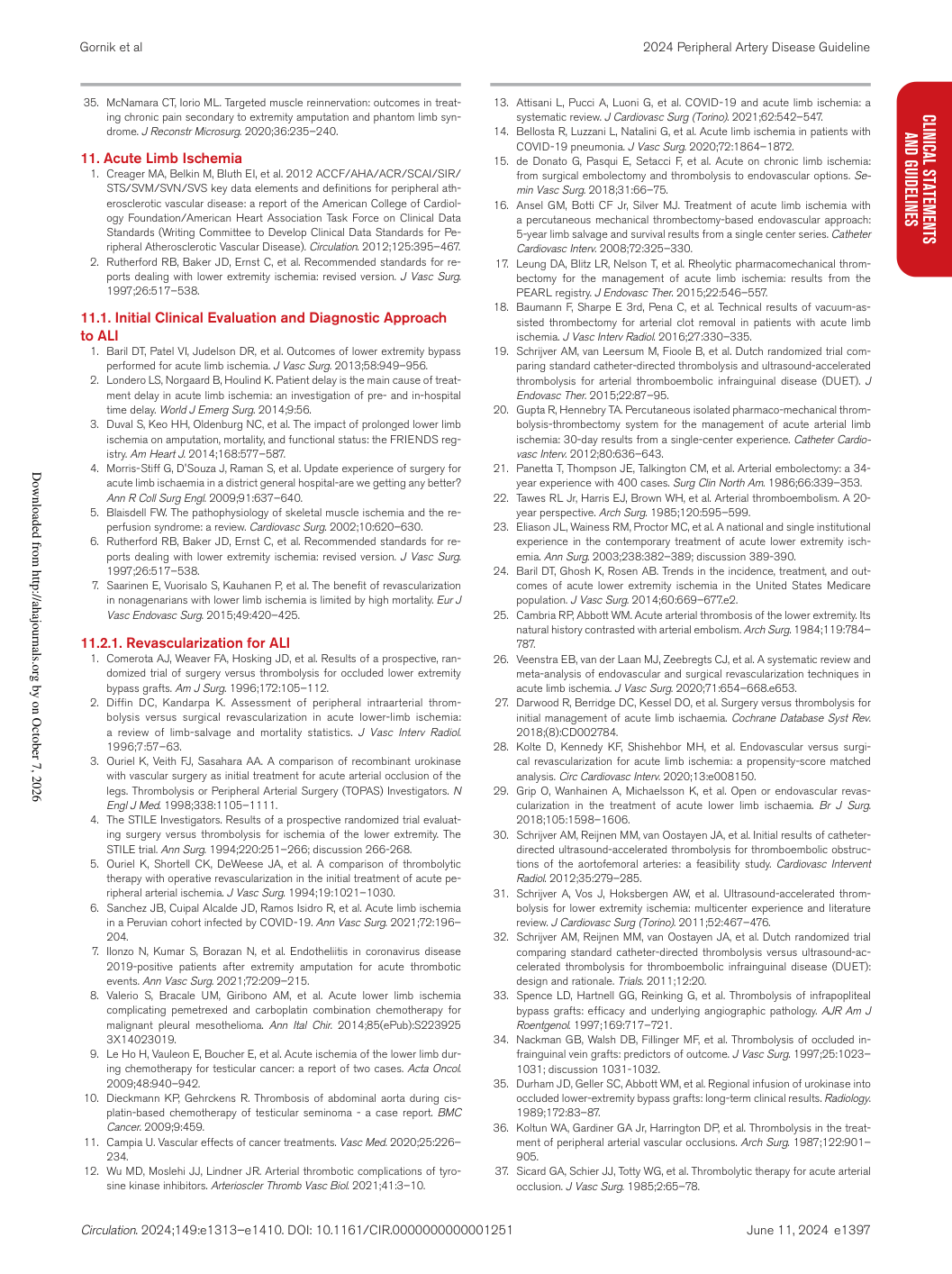
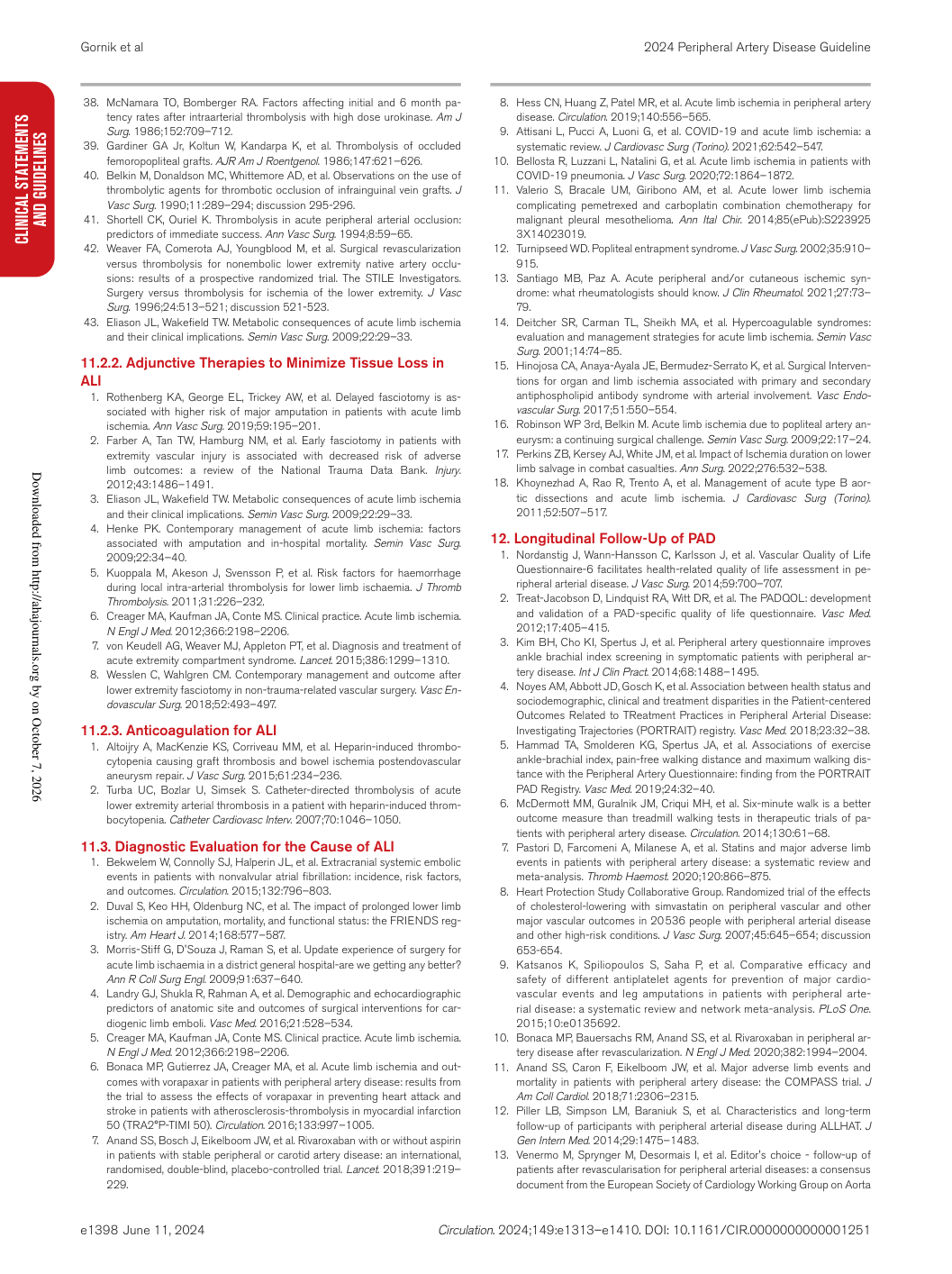
p.81
p.82
p.83
p.84
p.85
p.86
p.87
p.88
p.89
p.90
p.91
p.92
p.93
p.94
p.95
p.96
p.97
p.98
🔍 検索💬 AI📚 閲覧☰ 一覧🔔 更新3