p.57 抽出テキスト
11.1.3 Therapy

Medical treatment consists of a regimen including rifampicin, isoniazid, pyrazinamide, and ethambutol for at least 2 months, followed by isoniazid and rifampicin for an additional 4 months, which is effective in treating extrapulmonary TB.1,567 Treatment for ≥9 months gives no better results and has the disadvantages of increased cost and poor compliance.567 However, it should be emphasized that, excluding isoniazid, poor drug penetration into the pericardial space is a matter of concern, also considering the emerging evidence of intrapericardial bacillary load and mortality.568 With the prompt use of antitubercular medications, steroids (oral or intrapericardial), and the widespread use of pericardial drainage with or without intrapericardial fibrinolysis, the currently reported rates of CP are between 5% and 25%.569 Moreover, contemporary treatment has accounted for a 20% reduction in all-cause mortality.567,569–572 Pericardial drainage by any means (pericardiocentesis or pericardial window) is recommended as an essential part of the work-up in patients with suspected TB pericarditis, both for diagnostic and therapeutic purposes.1 Constriction generally develops in up to 50% of patients within 6 months of presentation prior to the introduction of effective TB therapy.1 Appropriate antibiotic therapy is essential to prevent this progression.570 In addition, two interventions may reduce the incidence of constriction: (i) intrapericardial urokinase; and (ii) high-dose adjunctive prednisolone for 6 weeks.569,573 However, the coexistence of TB and HIV infection requires special attention. Prednisolone was associated with an increased risk of HIV-associated malignancies.569 On this basis, it may be reasonable to use adjunctive corticosteroids in patients with TB pericarditis without HIV infection and to avoid them in HIV-infected individuals.569

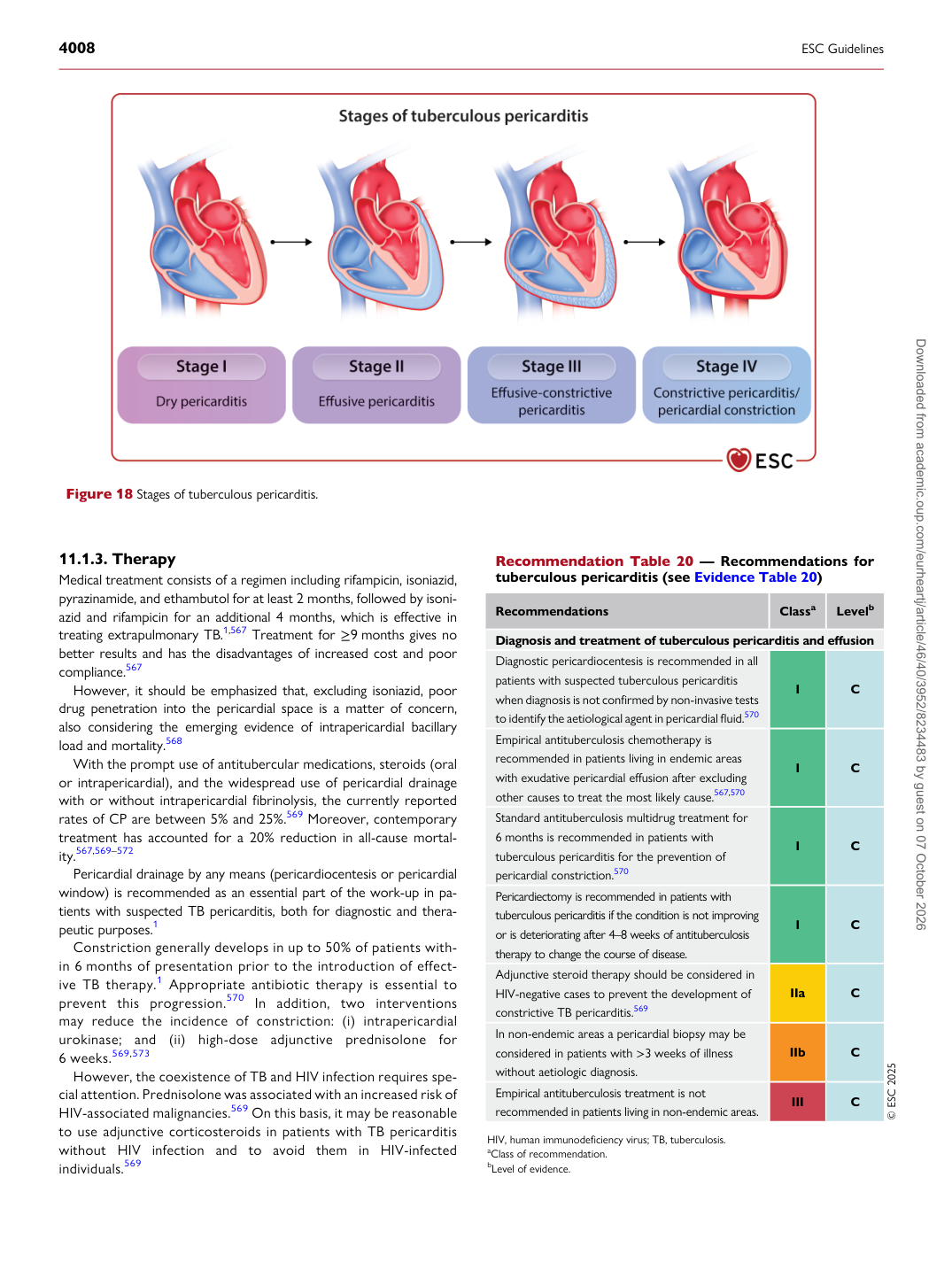
Figure 18 Stages of tuberculous pericarditis.

Recommendation Table 20 — Recommendations for tuberculous pericarditis (see Evidence Table 20)

Recommendations Classa Levelb

Diagnosis and treatment of tuberculous pericarditis and effusion Diagnostic pericardiocentesis is recommended in all patients with suspected tuberculous pericarditis when diagnosis is not confirmed by non-invasive tests to identify the aetiological agent in pericardial fluid.570 I C Empirical antituberculosis chemotherapy is recommended in patients living in endemic areas with exudative pericardial effusion after excluding other causes to treat the most likely cause.567,570 I C Standard antituberculosis multidrug treatment for 6 months is recommended in patients with tuberculous pericarditis for the prevention of pericardial constriction.570 I C Pericardiectomy is recommended in patients with tuberculous pericarditis if the condition is not improving or is deteriorating after 4–8 weeks of antituberculosis therapy to change the course of disease. I C Adjunctive steroid therapy should be considered in HIV-negative cases to prevent the development of constrictive TB pericarditis.569 IIa C In non-endemic areas a pericardial biopsy may be considered in patients with >3 weeks of illness without aetiologic diagnosis. IIb C Empirical antituberculosis treatment is not recommended in patients living in non-endemic areas. III C © ESC 2025

HIV, human immunodeficiency virus; TB, tuberculosis. aClass of recommendation. bLevel of evidence. Downloaded from academic.oup.com/eurheartj/article/46/40/3952/8234483 by guest on 07 October 2026