p.85 抽出テキスト
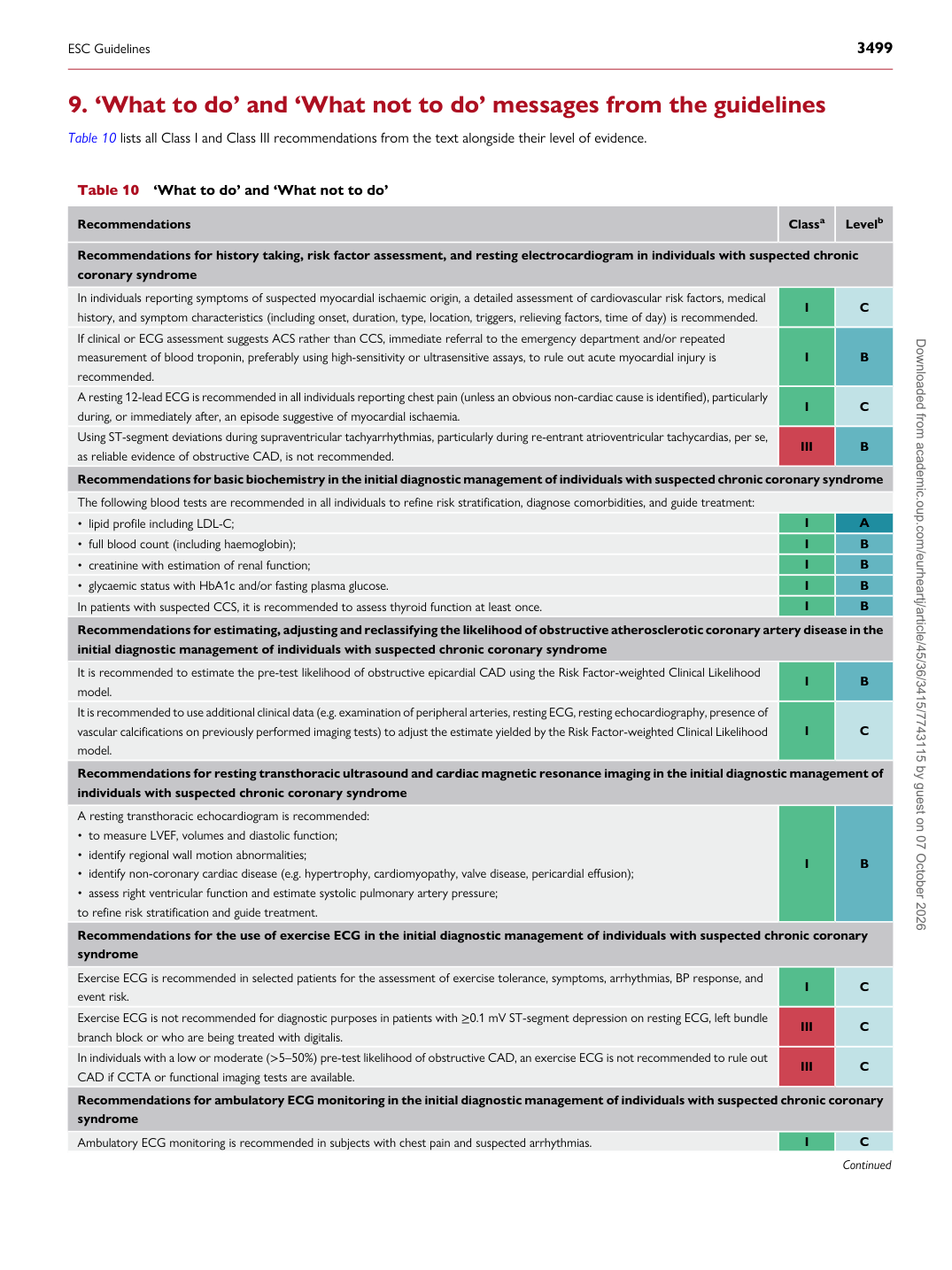
Table 10 ‘What to do’ and ‘What not to do’

Recommendations Classa Levelb

Recommendations for history taking, risk factor assessment, and resting electrocardiogram in individuals with suspected chronic coronary syndrome In individuals reporting symptoms of suspected myocardial ischaemic origin, a detailed assessment of cardiovascular risk factors, medical history, and symptom characteristics (including onset, duration, type, location, triggers, relieving factors, time of day) is recommended. I C If clinical or ECG assessment suggests ACS rather than CCS, immediate referral to the emergency department and/or repeated measurement of blood troponin, preferably using high-sensitivity or ultrasensitive assays, to rule out acute myocardial injury is recommended. I B A resting 12-lead ECG is recommended in all individuals reporting chest pain (unless an obvious non-cardiac cause is identified), particularly during, or immediately after, an episode suggestive of myocardial ischaemia. I C Using ST-segment deviations during supraventricular tachyarrhythmias, particularly during re-entrant atrioventricular tachycardias, per se, as reliable evidence of obstructive CAD, is not recommended. III B Recommendations for basic biochemistry in the initial diagnostic management of individuals with suspected chronic coronary syndrome The following blood tests are recommended in all individuals to refine risk stratification, diagnose comorbidities, and guide treatment: • lipid profile including LDL-C; I A • full blood count (including haemoglobin); I B • creatinine with estimation of renal function; I B • glycaemic status with HbA1c and/or fasting plasma glucose. I B In patients with suspected CCS, it is recommended to assess thyroid function at least once. I B Recommendations for estimating, adjusting and reclassifying the likelihood of obstructive atherosclerotic coronary artery disease in the initial diagnostic management of individuals with suspected chronic coronary syndrome It is recommended to estimate the pre-test likelihood of obstructive epicardial CAD using the Risk Factor-weighted Clinical Likelihood model. I B It is recommended to use additional clinical data (e.g. examination of peripheral arteries, resting ECG, resting echocardiography, presence of vascular calcifications on previously performed imaging tests) to adjust the estimate yielded by the Risk Factor-weighted Clinical Likelihood model. I C Recommendations for resting transthoracic ultrasound and cardiac magnetic resonance imaging in the initial diagnostic management of individuals with suspected chronic coronary syndrome A resting transthoracic echocardiogram is recommended: • to measure LVEF, volumes and diastolic function; • identify regional wall motion abnormalities; • identify non-coronary cardiac disease (e.g. hypertrophy, cardiomyopathy, valve disease, pericardial effusion); • assess right ventricular function and estimate systolic pulmonary artery pressure; to refine risk stratification and guide treatment. I B Recommendations for the use of exercise ECG in the initial diagnostic management of individuals with suspected chronic coronary syndrome Exercise ECG is recommended in selected patients for the assessment of exercise tolerance, symptoms, arrhythmias, BP response, and event risk. I C Exercise ECG is not recommended for diagnostic purposes in patients with ≥0.1 mV ST-segment depression on resting ECG, left bundle branch block or who are being treated with digitalis. III C In individuals with a low or moderate (>5–50%) pre-test likelihood of obstructive CAD, an exercise ECG is not recommended to rule out CAD if CCTA or functional imaging tests are available. III C Recommendations for ambulatory ECG monitoring in the initial diagnostic management of individuals with suspected chronic coronary syndrome Ambulatory ECG monitoring is recommended in subjects with chest pain and suspected arrhythmias. I C

Continued

9 ‘What to do’ and ‘What not to do’ messages from the guidelines

Table 10 lists all Class I and Class III recommendations from the text alongside their level of evidence.

ESC Guidelines                                                                                                                                                                                          3499

Downloaded from academic.oup.com/eurheartj/article/45/36/3415/7743115 by guest on 07 October 2026