p.23 抽出テキスト
4.2 Group 2, pulmonary hypertension

associated with left heart disease In 2013, the Global Burden of Disease Study reported 61.7 million cases of HF worldwide, which represented almost a doubling since 1990.46 In Europe and the USA, .80% of patients with HF are aged ≥65 years. Post-capillary PH, either isolated or combined with a pre-capillary component, is a frequent complication mainly in HFpEF, affecting at least 50% of these patients.47,48 The prevalence of PH increases with severity of left-sided valvular diseases, and PH can be found in 60–70% of patients with severe and symptomatic mitral valve disease49 and in up to 50% of those with symptomatic aortic stenosis.50

4.3 Group 3, pulmonary hypertension

associated with lung diseases and/or hypoxia Mild PH is common in advanced parenchymal and interstitial lung disease. Studies have reported that ≏1–5% of patients with advanced COPD with chronic respiratory failure or candidates for lung volume reduction surgery or lung transplantation (LTx) have an mPAP .35– 40 mmHg.51,52 In idiopathic pulmonary fibrosis, an mPAP ≥25 mmHg has been reported in 8–15% of patients upon initial work-up, with greater prevalence in advanced (30–50%) and endstage (.60%) disease.52 Hypoxia is a public health problem for the estimated 120 million people living at altitudes .2500 m. Altitude dwellers are at risk of developing PH and chronic mountain sickness. However, it remains unclear to what extent PH and right HF are public health problems in high-altitude communities; this should be addressed with updated methodology and large-scale population studies.53 4.4 Group 4, pulmonary hypertension

associated with chronic pulmonary artery obstruction The number of patients diagnosed with CTEPH is increasing, probably due to a deeper understanding of the disease and more active screening for this condition in patients who remain dyspnoeic after pulmonary embolism (PE) or who have risk factors for developing CTEPH. Registry data indicate a CTEPH incidence and prevalence of 2–6 and 26–38 cases/million adults, respectively.31,54,55 Patients with chronic thrombo-embolic pulmonary disease (CTEPD) without PH still represent a small proportion of the patients referred to CTEPH centres.56

4.5 Group 5, pulmonary hypertension

with unclear and/or multifactorial mechanisms Group 5 PH consists of a complex group of disorders that are associated with PH.57 The cause is often multifactorial and can be secondary to increased pre- and post-capillary pressure, as well as direct effects on pulmonary vasculature. The incidence and prevalence of PH in most of these disorders are unknown. However, high-quality registries have recently enabled estimation of PH prevalence in adult patients with sarcoidosis.58,59 Studies suggest that PH can be common and its presence is often associated with increased morbidity and mortality.58,59

5 Pulmonary hypertension

diagnosis

5.1 Diagnosis

The diagnostic approach to PH is mainly focused on two tasks. The primary goal is to raise early suspicion of PH and ensure fast-track referral to PH centres in patients with a high likelihood of PAH, CTEPH, or other forms of severe PH. The second objective is to identify underlying diseases, especially LHD (group 2 PH) and lung disease (group 3 PH), as well as comorbidities, to ensure proper classification, risk assessment, and treatment.

5.1.1 Clinical presentation

Symptoms of PH are mainly linked to right ventricle (RV) dysfunction, and typically associated with exercise in the earlier course of the disease.25,26 The cardinal symptom is dyspnoea on progressively minor exertion. Other common symptoms are related to the stages and severity of the disease, and are listed in Figure 2.60–62 Potential clinical signs and physical findings are summarized in Figure 3.60,61 Importantly, the physical examination may also be the key to identifying the underlying cause of PH (see Figure 3).

5.1.2 Electrocardiogram

Electrocardiogram (ECG) abnormalities (Table 8) may raise suspicion of PH, deliver prognostic information, and detect arrhythmias and signs of LHD. In adults with clinical suspicion of PH (e.g. unexplained dyspnoea on exertion), right axis deviation has a high predictive value for PH.63 A normal ECG does not exclude the presence of PH, but a normal ECG in combination with normal biomarkers (BNP/ NT-proBNP) is associated with a low likelihood of PH in patients referred for suspected PH or at risk of PH (i.e. after acute PE).64,65

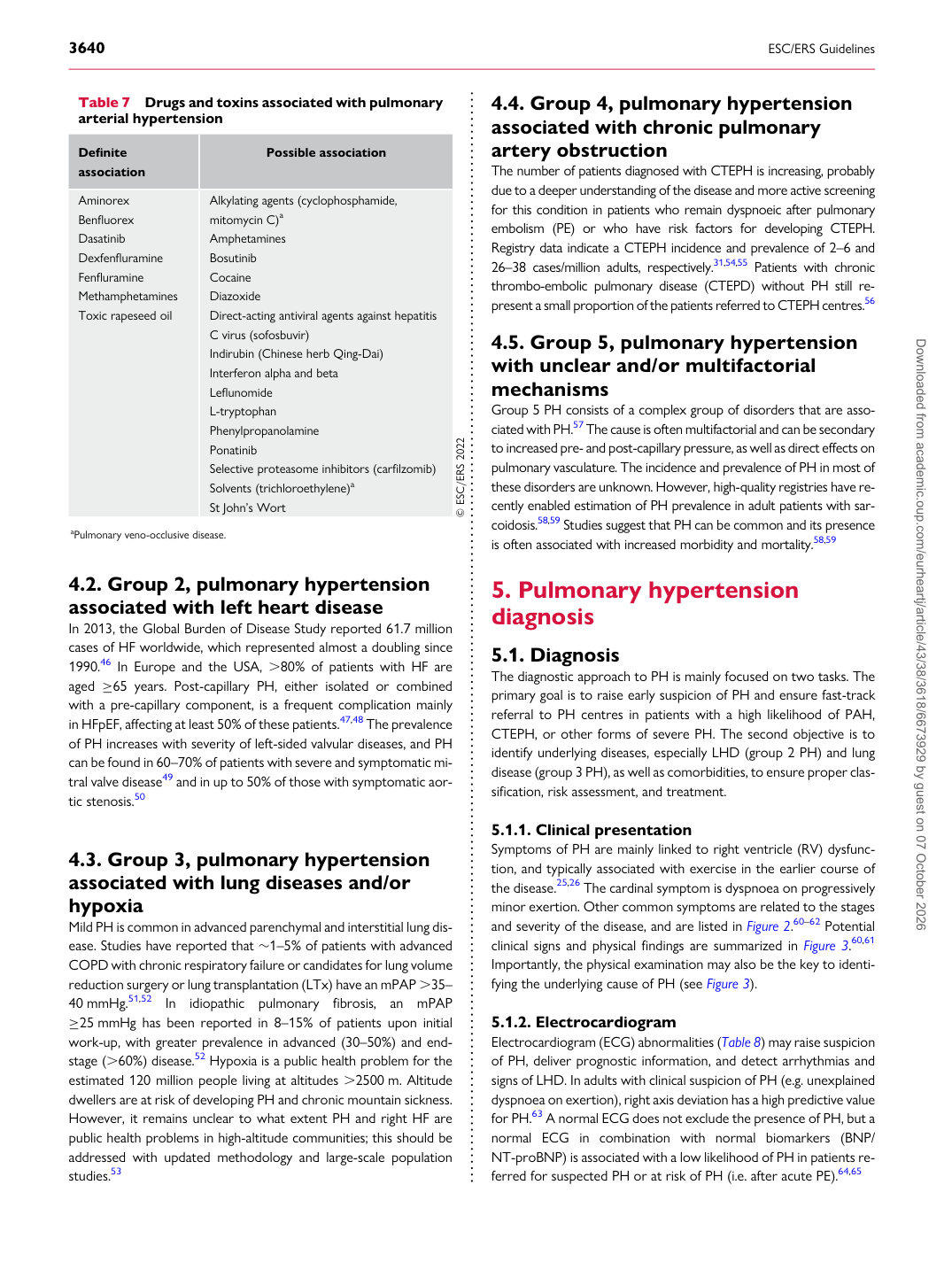
Table 7 Drugs and toxins associated with pulmonary arterial hypertension

Definite association Possible association

Aminorex Benfluorex Dasatinib Dexfenfluramine Fenfluramine Methamphetamines Toxic rapeseed oil Alkylating agents (cyclophosphamide, mitomycin C)a

Amphetamines Bosutinib Cocaine Diazoxide Direct-acting antiviral agents against hepatitis C virus (sofosbuvir) Indirubin (Chinese herb Qing-Dai) Interferon alpha and beta Leflunomide L-tryptophan Phenylpropanolamine Ponatinib Selective proteasome inhibitors (carfilzomib) Solvents (trichloroethylene)a St John’s Wort © ESC/ERS 2022

aPulmonary veno-occlusive disease. Downloaded from academic.oup.com/eurheartj/article/43/38/3618/6673929 by guest on 07 October 2026