p.50 抽出テキスト
5.5.15 Chimeric antigen receptor

T cell and tumour-infiltrating lymphocytes therapies CAR-T therapy is used for the treatment of acute lymphocytic leukaemia and aggressive B-cell lymphomas.377 Although the reported incidence is variable, there is a growing recognition of the association between CAR-T therapy and CTR-CVT, including LVD, HF, cardiac arrhythmias, pericardial effusion, TTS, and cardiac arrest.378–383 The majority of the described CV toxicities have been shown to be associated with the occurrence of cytokine release syndrome (CRS).377,384 Baseline CV evaluation including ECG, NP, and cTn is recommended in all patients. Baseline TTE should also be considered, especially in patients with pre-existing CVRF and CVD. After receiving CAR-T therapy, patients may develop systemic inflammatory syndromes.385 CRS should be suspected when a patient develops fever, with or without tachypnoea, tachycardia, hypotension, hypoxia, and/or other end-organ dysfunction hours to days after treatment.385 A high index of suspicion is necessary to diagnose CRS and to distinguish it from other conditions that occur in these settings (infections, HF, drug reactions, and PE).378,386 Among adults, there was a relationship between CRS and CV events. An elevation in cTn is commonly seen in patients with CRS and is associated with an increased risk for subsequent CV events.378 In a recent retrospective pharmacovigilance study, CAR-T was associated with tachyarrhythmias (AF the most common, followed by ventricular arrhythmias), cardiomyopathy, and pleural and pericardial diseases.379 Globally, the fatality rate of CV and pulmonary adverse events was 30.9%.378,379,387 Early cardiac evaluation in patients with cTn increase should include NP, ECG, and echocardiography (see Section 6.1.4 for management).388

Adoptive cellular therapy with TIL has emerged as an effective treatment option for unresectable stage III/IV metastatic melanoma. With TILs, the CV toxicity appears to be related to direct myocardial and vascular toxicity.380 Baseline assessment and CV surveillance in patients before TIL therapies is the same pathway recommended for CAR-T therapies.

Alectinib

Brigantinib

Ceritinib

Crizotinib

Lorlatinib

Osimertiniba

ALK inhibitors

EGFR inhibitors HTN HF SBr DL HG/DM AF VTE

ALK inhibitor- and EGFR inhibitor-related cardiovascular toxicities

Very common: ≥10% incidence

Common: 1% to <10% incidence Uncommon: 0.1% to <1% incidence

Rare: <0.1% incidence QTc

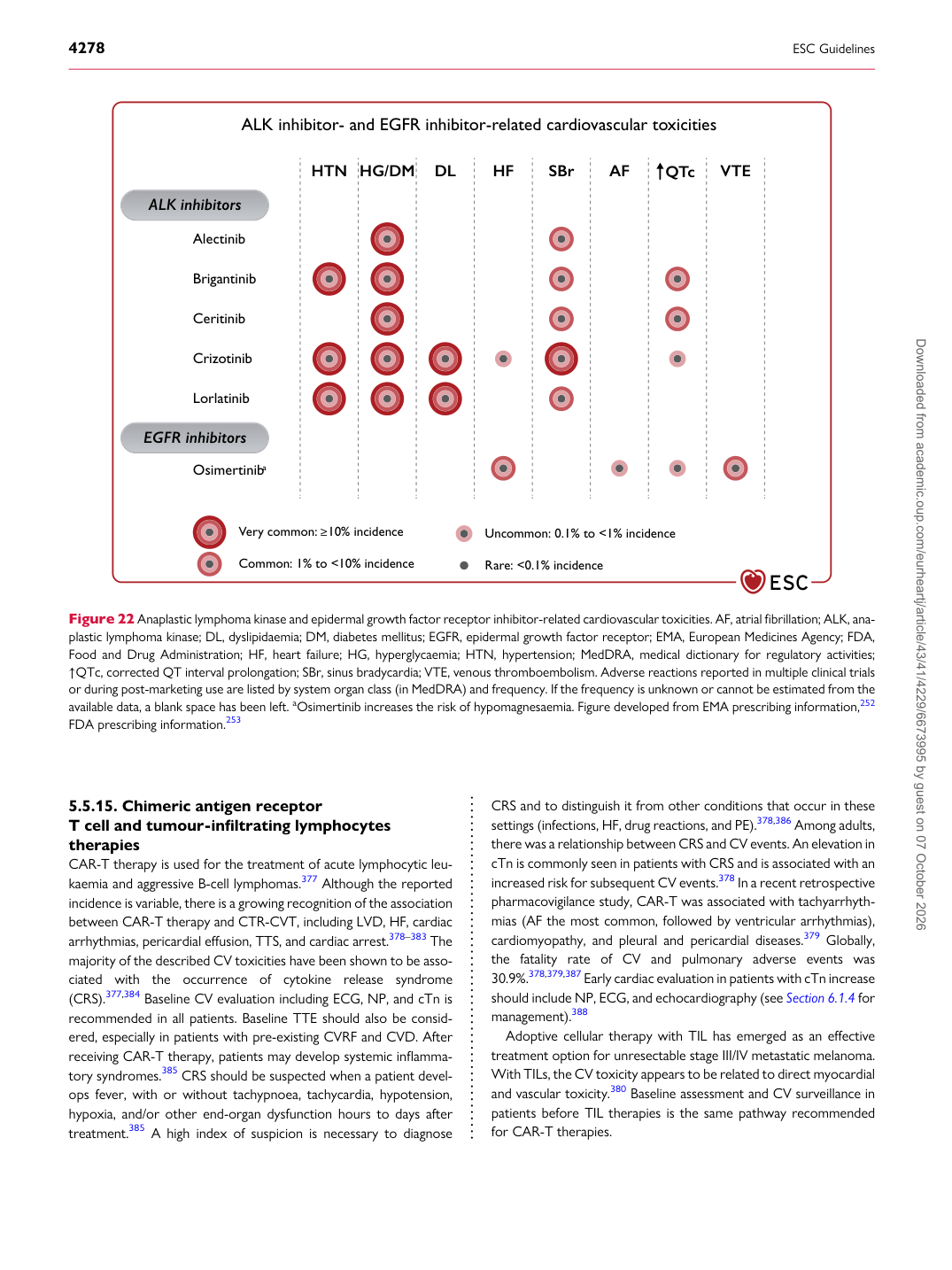
Figure 22 Anaplastic lymphoma kinase and epidermal growth factor receptor inhibitor-related cardiovascular toxicities. AF, atrial fibrillation; ALK, anaplastic lymphoma kinase; DL, dyslipidaemia; DM, diabetes mellitus; EGFR, epidermal growth factor receptor; EMA, European Medicines Agency; FDA, Food and Drug Administration; HF, heart failure; HG, hyperglycaemia; HTN, hypertension; MedDRA, medical dictionary for regulatory activities; ↑QTc, corrected QT interval prolongation; SBr, sinus bradycardia; VTE, venous thromboembolism. Adverse reactions reported in multiple clinical trials or during post-marketing use are listed by system organ class (in MedDRA) and frequency. If the frequency is unknown or cannot be estimated from the available data, a blank space has been left. aOsimertinib increases the risk of hypomagnesaemia. Figure developed from EMA prescribing information,252 FDA prescribing information.253 Downloaded from academic.oup.com/eurheartj/article/43/41/4229/6673995 by guest on 07 October 2026