p.80 抽出テキスト
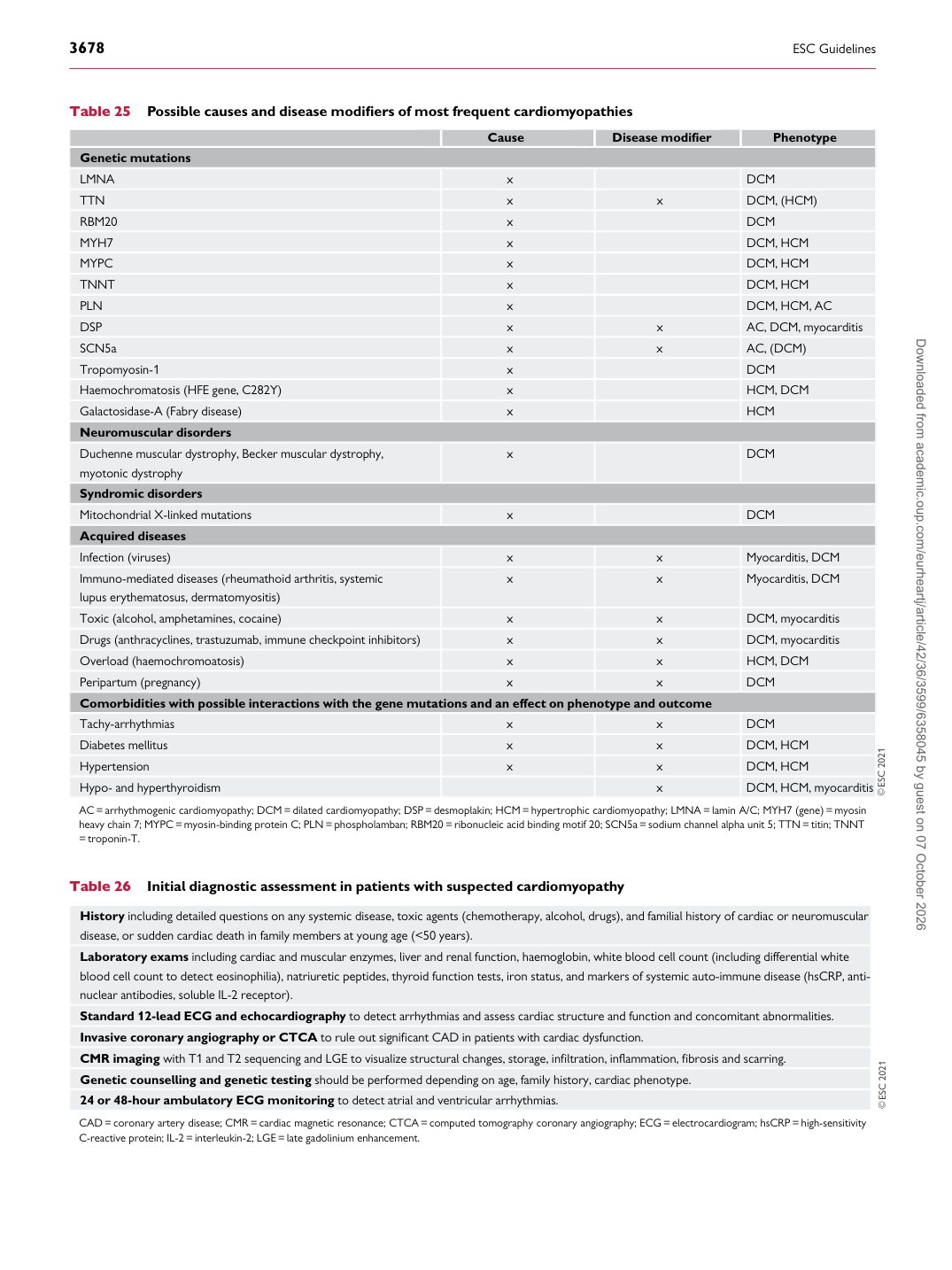
Table 25 Possible causes and disease modifiers of most frequent cardiomyopathies

Cause Disease modifier Phenotype

Genetic mutations LMNA x DCM TTN x x DCM, (HCM) RBM20 x DCM MYH7 x DCM, HCM MYPC x DCM, HCM TNNT x DCM, HCM PLN x DCM, HCM, AC DSP x x AC, DCM, myocarditis SCN5a x x AC, (DCM) Tropomyosin-1 x DCM Haemochromatosis (HFE gene, C282Y) x HCM, DCM Galactosidase-A (Fabry disease) x HCM Neuromuscular disorders Duchenne muscular dystrophy, Becker muscular dystrophy, myotonic dystrophy x DCM Syndromic disorders Mitochondrial X-linked mutations x DCM Acquired diseases Infection (viruses) x x Myocarditis, DCM Immuno-mediated diseases (rheumathoid arthritis, systemic lupus erythematosus, dermatomyositis) x x Myocarditis, DCM Toxic (alcohol, amphetamines, cocaine) x x DCM, myocarditis Drugs (anthracyclines, trastuzumab, immune checkpoint inhibitors) x x DCM, myocarditis Overload (haemochromoatosis) x x HCM, DCM Peripartum (pregnancy) x x DCM Comorbidities with possible interactions with the gene mutations and an effect on phenotype and outcome Tachy-arrhythmias x x DCM Diabetes mellitus x x DCM, HCM Hypertension x x DCM, HCM Hypo- and hyperthyroidism x DCM, HCM, myocarditis AC = arrhythmogenic cardiomyopathy; DCM = dilated cardiomyopathy; DSP = desmoplakin; HCM = hypertrophic cardiomyopathy; LMNA = lamin A/C; MYH7 (gene) = myosin heavy chain 7; MYPC = myosin-binding protein C; PLN = phospholamban; RBM20 = ribonucleic acid binding motif 20; SCN5a = sodium channel alpha unit 5; TTN = titin; TNNT = troponin-T.

Table 26 Initial diagnostic assessment in patients with suspected cardiomyopathy

History including detailed questions on any systemic disease, toxic agents (chemotherapy, alcohol, drugs), and familial history of cardiac or neuromuscular disease, or sudden cardiac death in family members at young age (<50 years). Laboratory exams including cardiac and muscular enzymes, liver and renal function, haemoglobin, white blood cell count (including differential white blood cell count to detect eosinophilia), natriuretic peptides, thyroid function tests, iron status, and markers of systemic auto-immune disease (hsCRP, antinuclear antibodies, soluble IL-2 receptor). Standard 12-lead ECG and echocardiography to detect arrhythmias and assess cardiac structure and function and concomitant abnormalities. Invasive coronary angiography or CTCA to rule out significant CAD in patients with cardiac dysfunction. CMR imaging with T1 and T2 sequencing and LGE to visualize structural changes, storage, infiltration, inflammation, fibrosis and scarring. Genetic counselling and genetic testing should be performed depending on age, family history, cardiac phenotype. 24 or 48-hour ambulatory ECG monitoring to detect atrial and ventricular arrhythmias. CAD = coronary artery disease; CMR = cardiac magnetic resonance; CTCA = computed tomography coronary angiography; ECG = electrocardiogram; hsCRP = high-sensitivity C-reactive protein; IL-2 = interleukin-2; LGE = late gadolinium enhancement. ESC 2021 ESC 2021 Downloaded from academic.oup.com/eurheartj/article/42/36/3599/6358045 by guest on 07 October 2026