p.51 抽出テキスト
be some cost associated with unintended harm or complications that result from any intervention. Furthermore, the approach toward evaluating the burden of cost in the literature is based on varied perspectives (eg, individual, third party, stakeholder, societal). The small body of literature evaluating cost-effectiveness strategies in PSVT has traditionally centered on an evaluation of medical therapy versus catheter ablation. A rigorous cost-effectiveness Markov model was conducted in 2000 to compare radiofrequency ablation to medical management with generic metoprolol from the societal perspective.105 The estimated population consisted of patients with AVNRT (approximately 65%) and AVRT. On the basis of this simulation, the authors concluded that, for symptomatic patients with monthly episodes of PSVT, radiofrequency ablation was the more effective and less expensive strategy when compared with medical therapy. An observational cohort study of patients with atrial flutter supported early ablation to significantly reduce hospital-based healthcare utilization and the risk of AF.547 These studies, along with other older literature, favor catheter ablation over medical therapy as the more cost-effective approach to treating PSVT and atrial flutter. However, the results of these studies were based on cost data and practice patterns that do not apply to the current environment and practice. Therefore, no recommendations are provided. See Online Data Supplement 23 for additional data on cost-effectiveness.

12 Shared Decision Making

It is important that the patient be included in clinical decisionmaking processes, with consideration of his/her preferences and goals for therapy, as well as his/her unique physical, psychological, and social situation. In selected cases, personalized, self-directed interventions can be developed in partnership with the patient, such as vagal maneuvers and “pill-in-the-pocket” drug therapy. Shared decision making is especially important for patients with SVT. As seen in this guideline, SVT treatment can be nuanced and requires expert knowledge of EP processes and treatment options. Treatment options are highly specific to the exact type of arrhythmia and can depend on certain characteristics of a particular arrhythmia (eg, whether there is pre-excitation). The various choices for therapy, including drugs, cardioversion, invasive treatment, or a combination thereof, can be confusing to the patient, so a detailed explanation of the benefits and risks must be included in the conversation.

Patients are encouraged to ask questions with time allotted for caregivers to respond. Providing a relaxed atmosphere, anticipating patient concerns, and encouraging patients to keep a notebook with questions could facilitate productive conversations. It is also important that clinicians use lay terminology to explain treatment options to their patients. This involves a clear explanation of the risks and benefits of each recommendation, including how other comorbidities may impact each treatment option. Discussions with other physicians and healthcare providers caring for the patient will provide the broadest picture available. A full discussion about decisions for subsequent care and any further instructions is important to reinforce these issues before the patient leaves the healthcare setting. It is the responsibility of the physician and healthcare team to provide the patient with the best possible understanding of all management options in terms of risks, benefits, and potential effects on quality of life.

13 Evidence Gaps and Future Research Needs

SVTs, even with the exclusion of AF, are among the most common arrhythmias that require medical intervention. The decade before the publication of the “2003 ACC/ AHA/ESC Guidelines for the Management of Patients With Supraventricular Arrhythmias”11 was characterized by major shifts in understanding of the mechanism for SVT, as well as a sea change in management (because of catheter ablation). Since the early 2000s, there have been many iterative but important advances in pharmacological and invasive management for SVT. Catheter ablation is even better established, with a high degree of success and low complication rate, especially for the most common types of SVT, such as AVNRT and AVRT. Drug options, on the other hand, are relatively unchanged since publication of the 2003 guideline, perhaps relating to ongoing concern about potential adverse side effects of antiarrhythmic agents. Areas of uncertainty remain, including interventions for which advanced technology is less important. For example, vagal maneuvers are recommended in many circumstances as first-line intervention in patients with SVT, but they are often ineffective. Furthermore, there is great variation in the way these maneuvers are administered. Therefore, research on the best technique of vagal maneuvers, with dissemination of the findings, is necessary. Clinical trials on

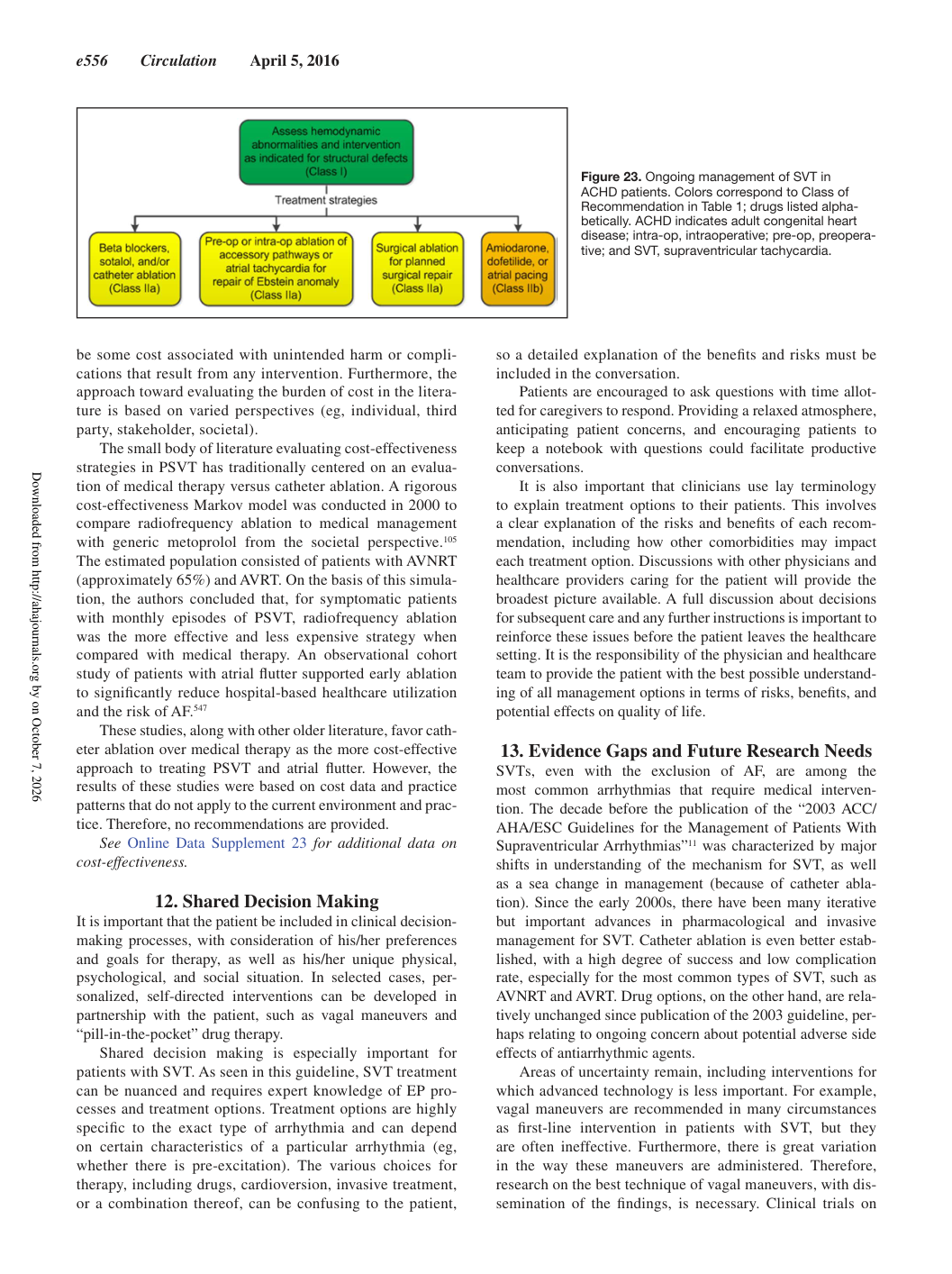
Figure 23. Ongoing management of SVT in ACHD patients. Colors correspond to Class of Recommendation in Table 1; drugs listed alphabetically. ACHD indicates adult congenital heart disease; intra-op, intraoperative; pre-op, preoperative; and SVT, supraventricular tachycardia.

Downloaded from http://ahajournals.org by on October 7, 2026