☰ 目次
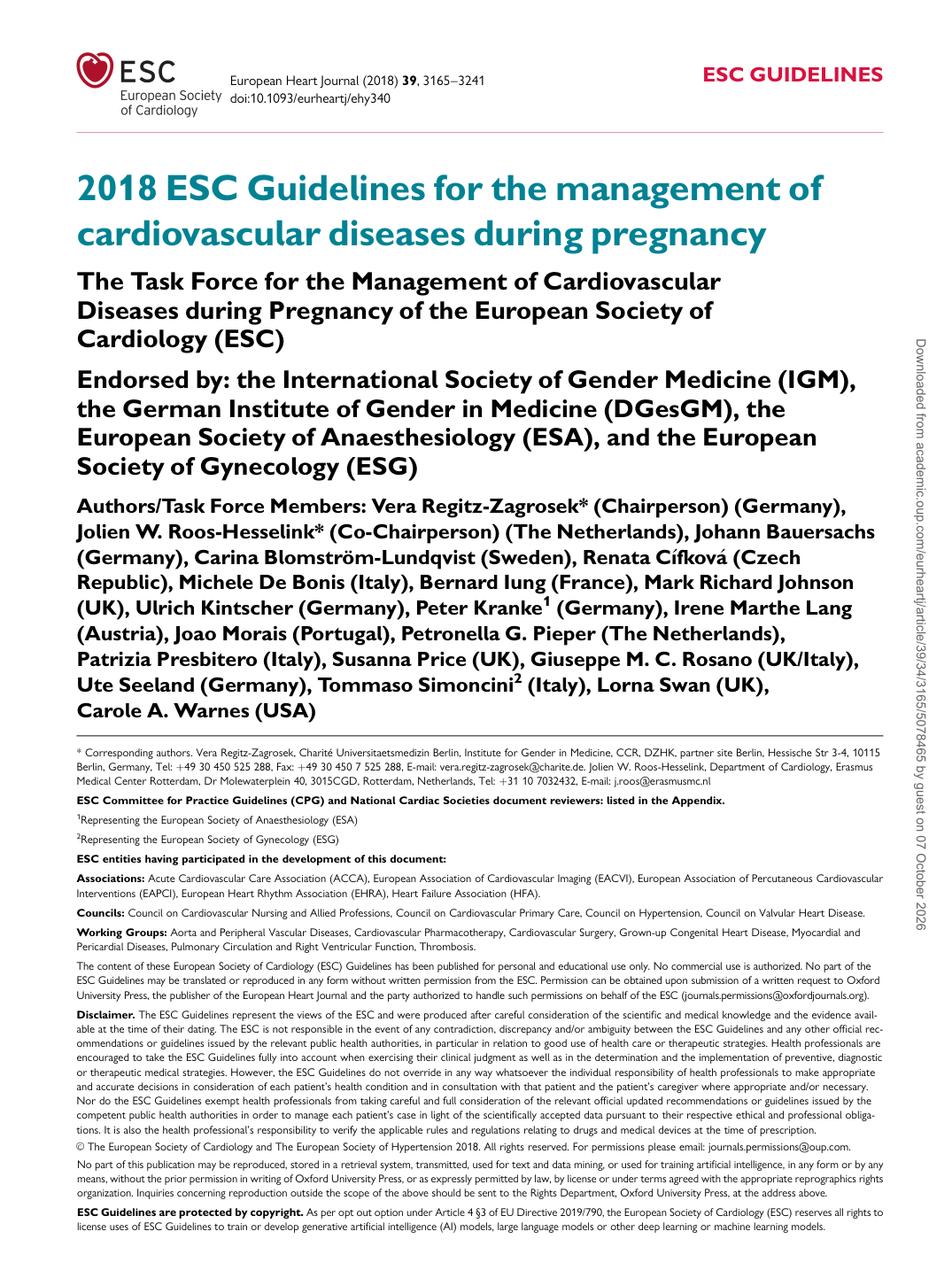
2018 ESC Guidelines for the management of cardiovascular diseases during pregnancy
European Society of Cardiology・2018・84 ページ · 循環器(その他・小児・妊娠・リハ) · 産科・婦人科・小児
目次 閉じる
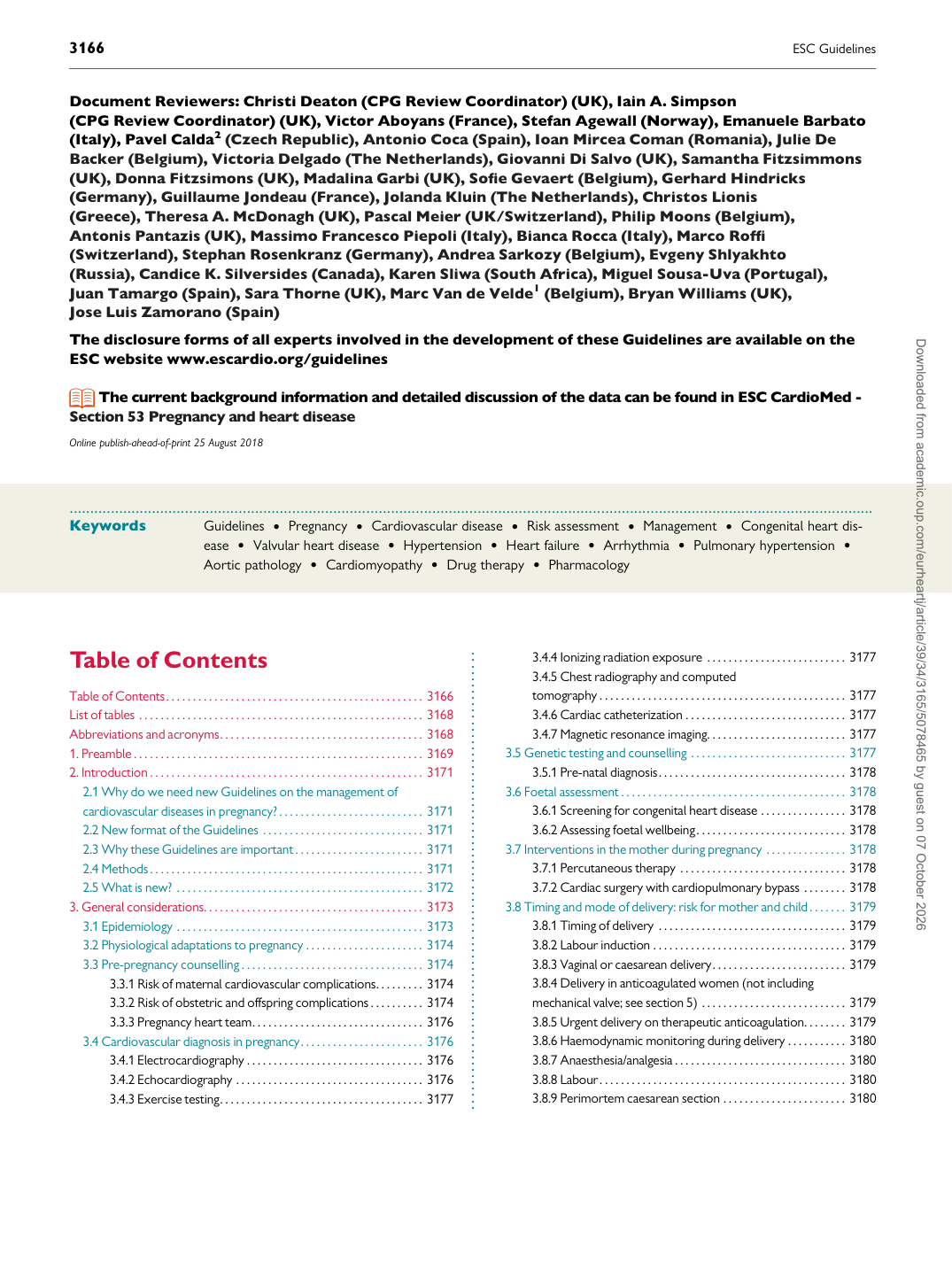
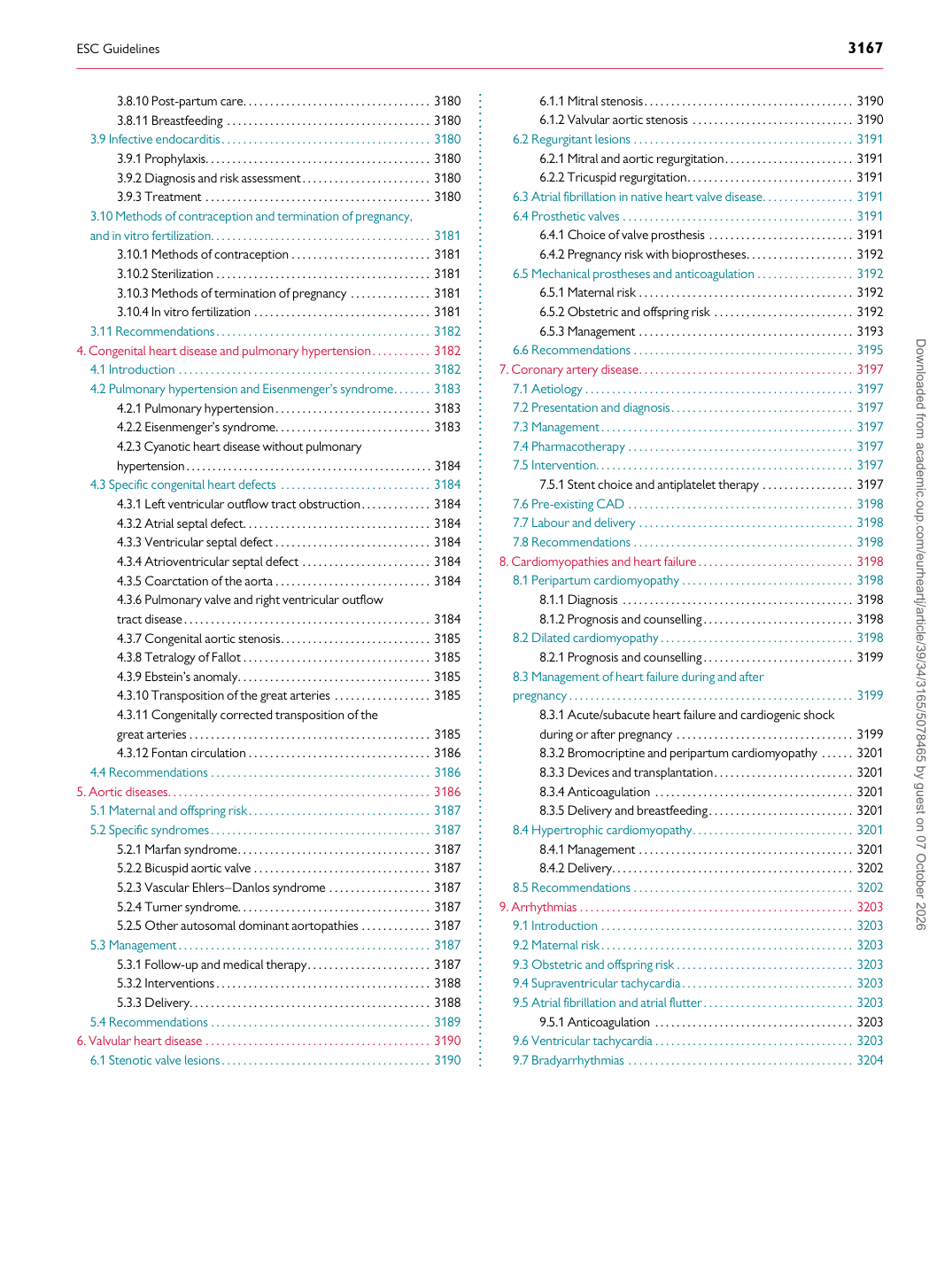
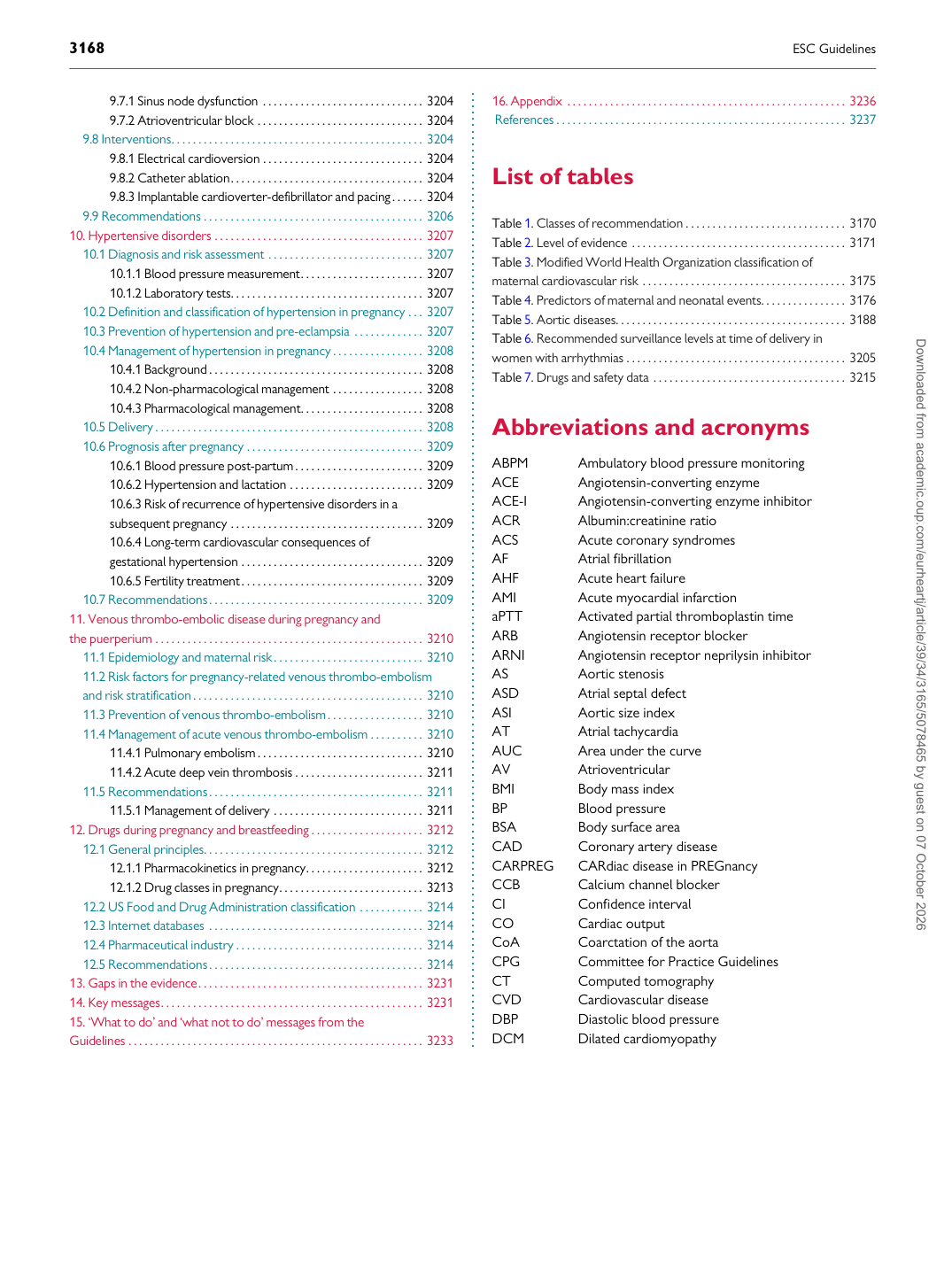
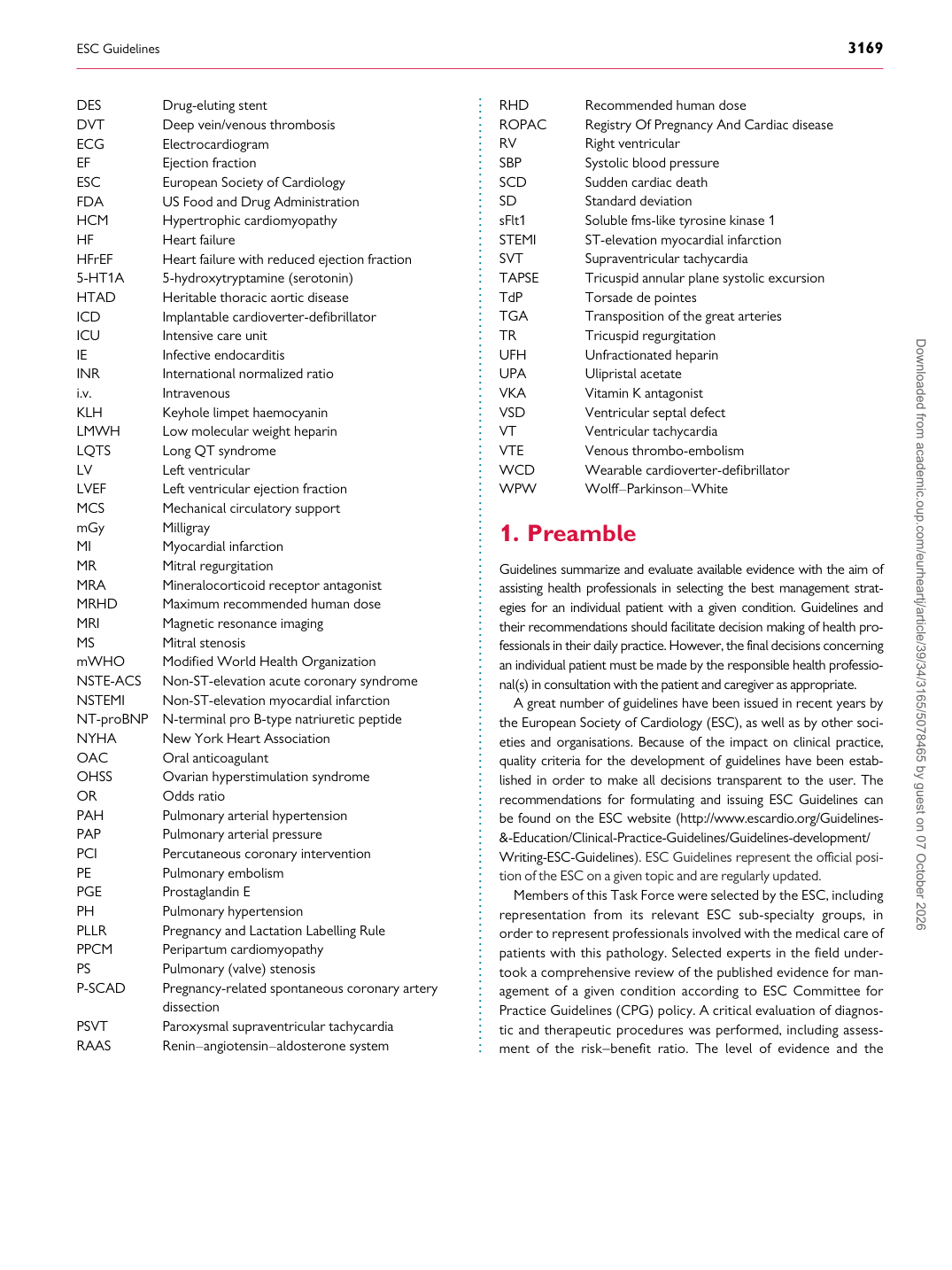
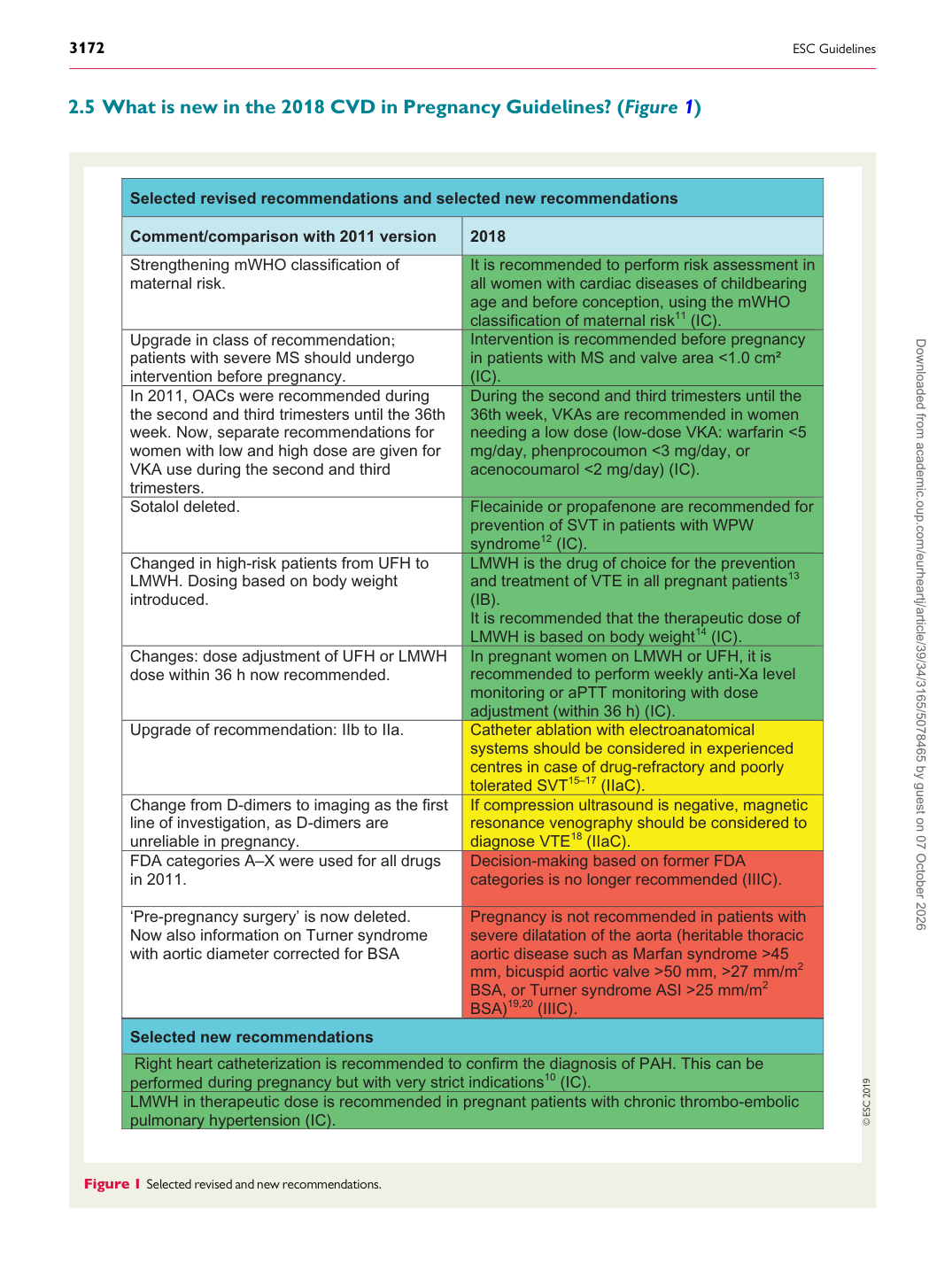
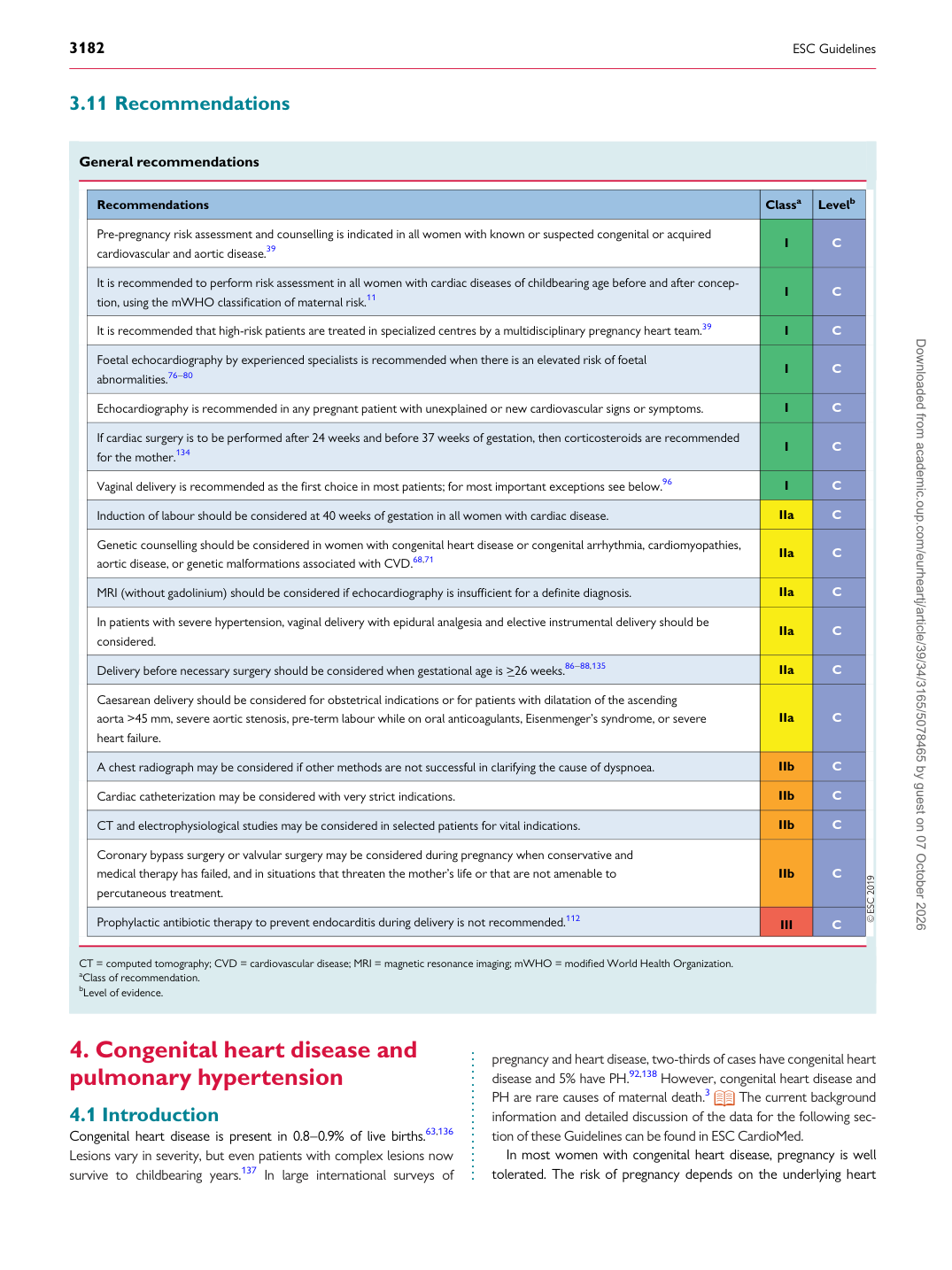
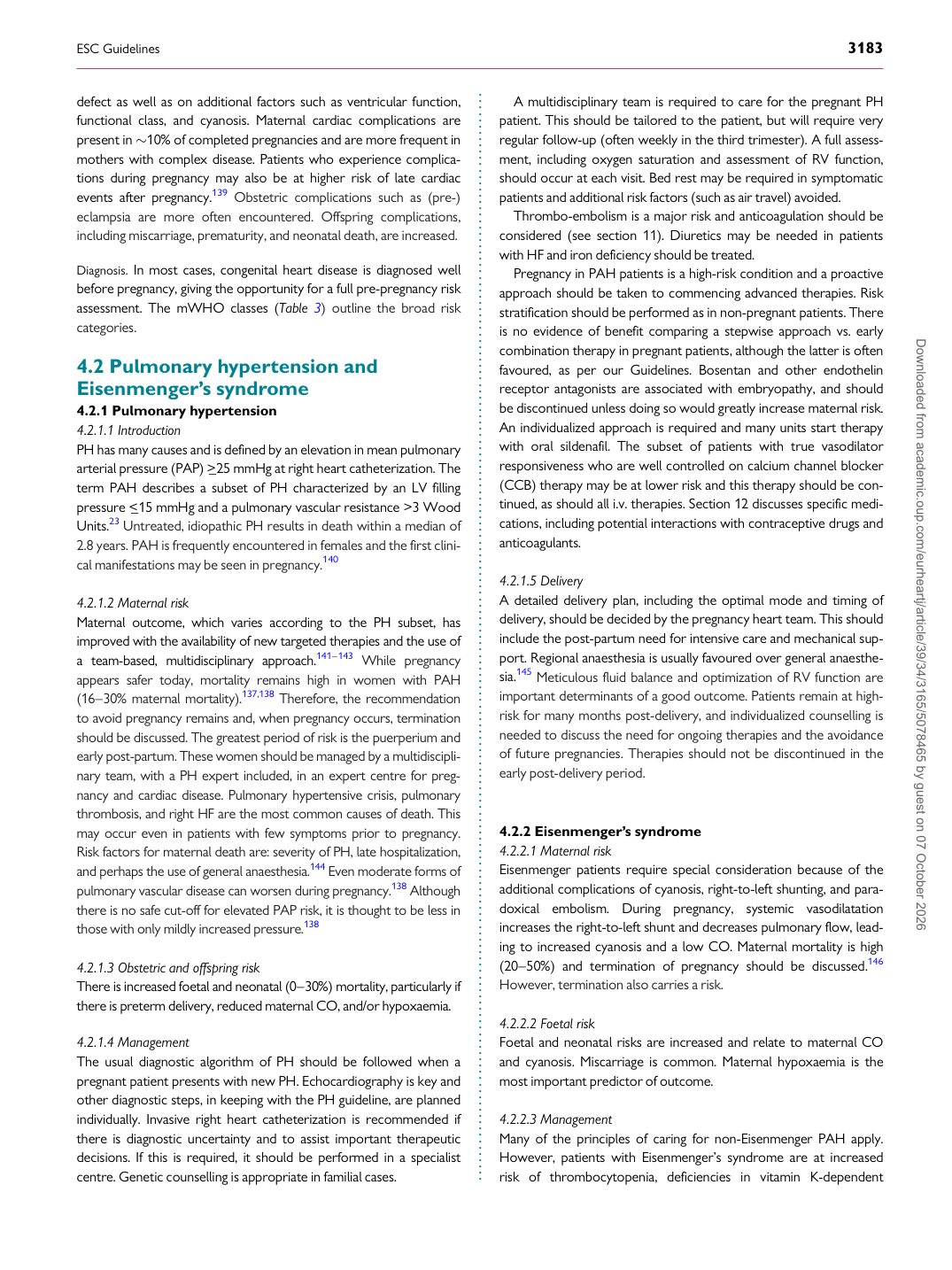
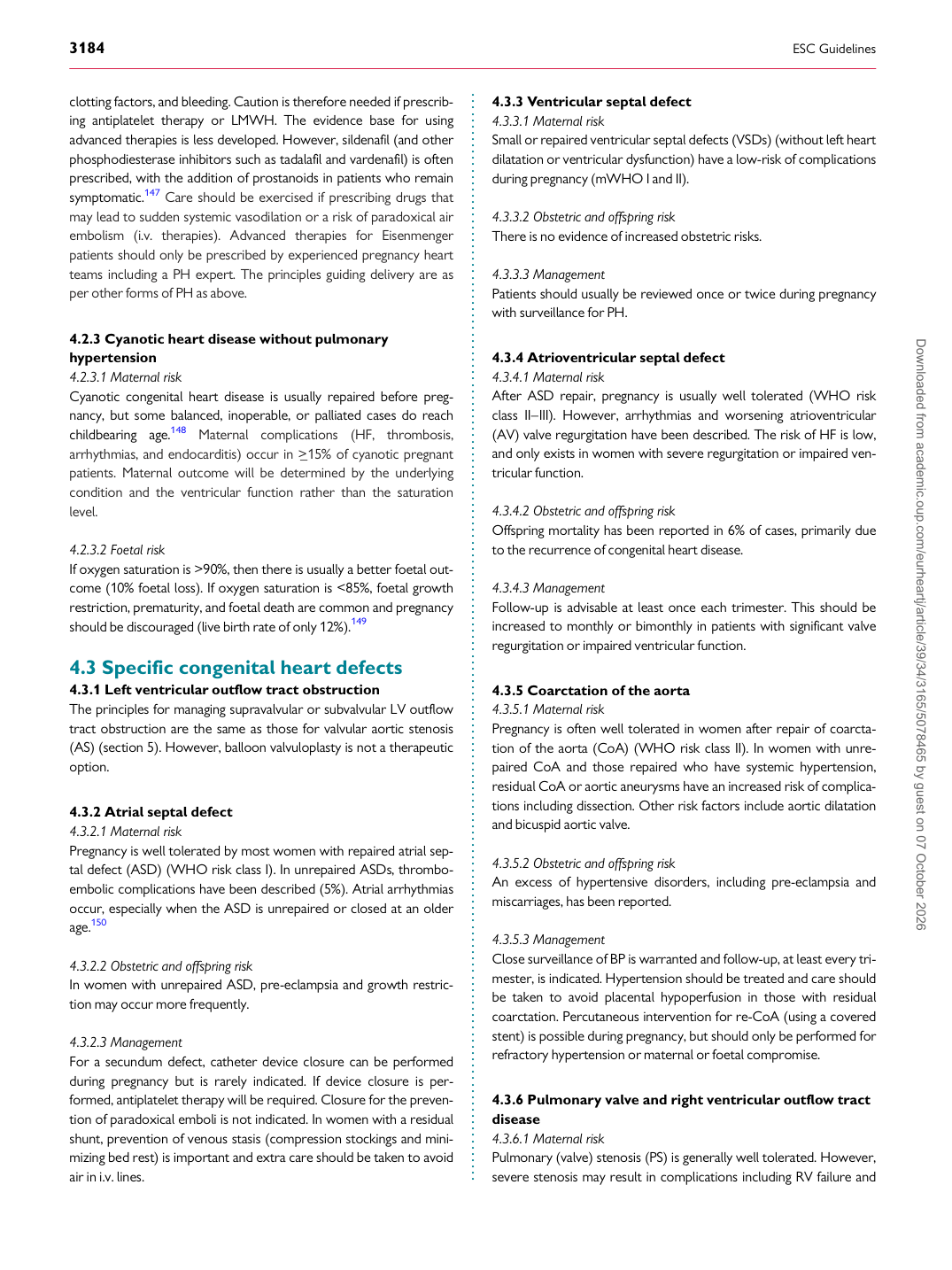
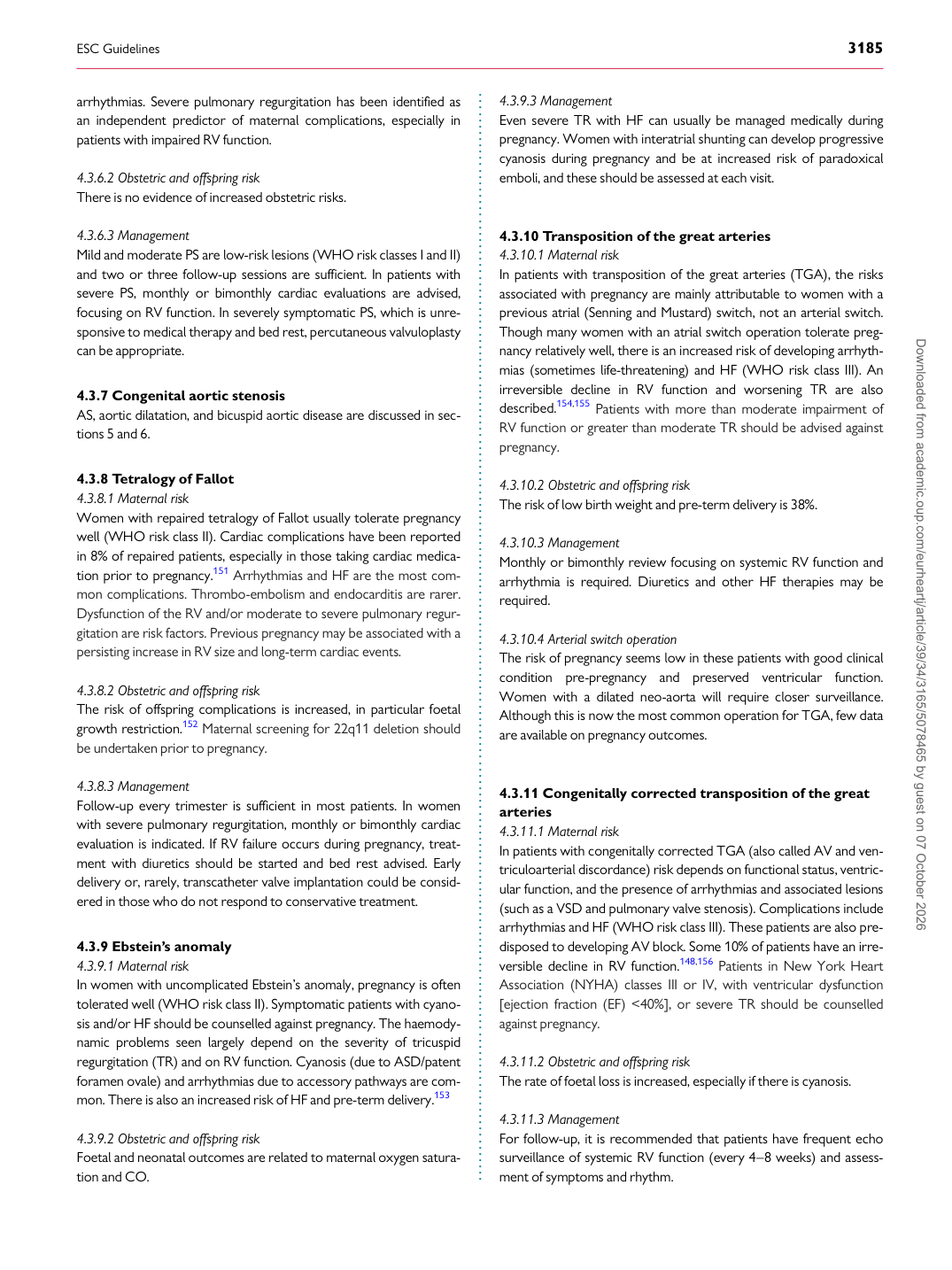
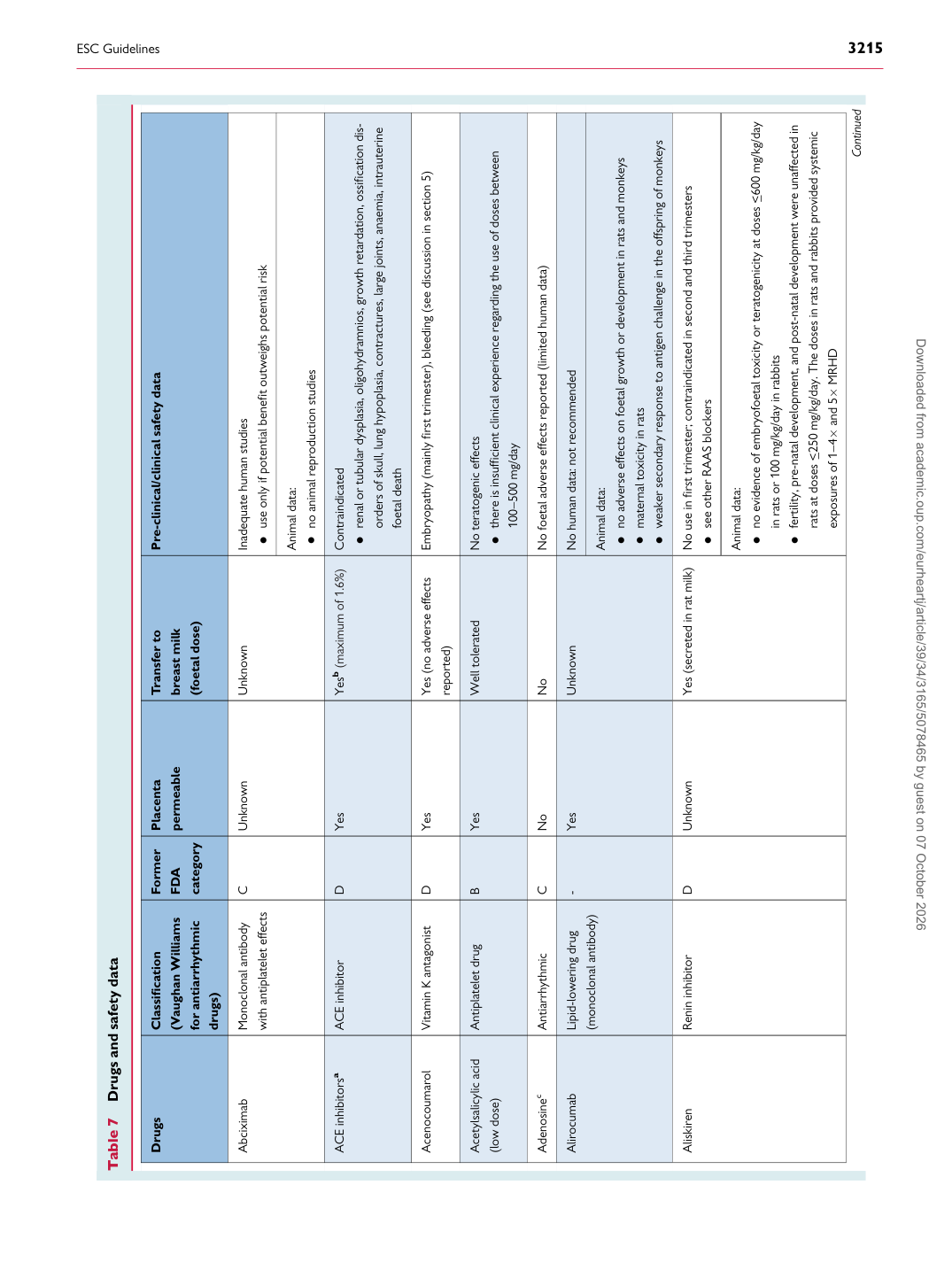
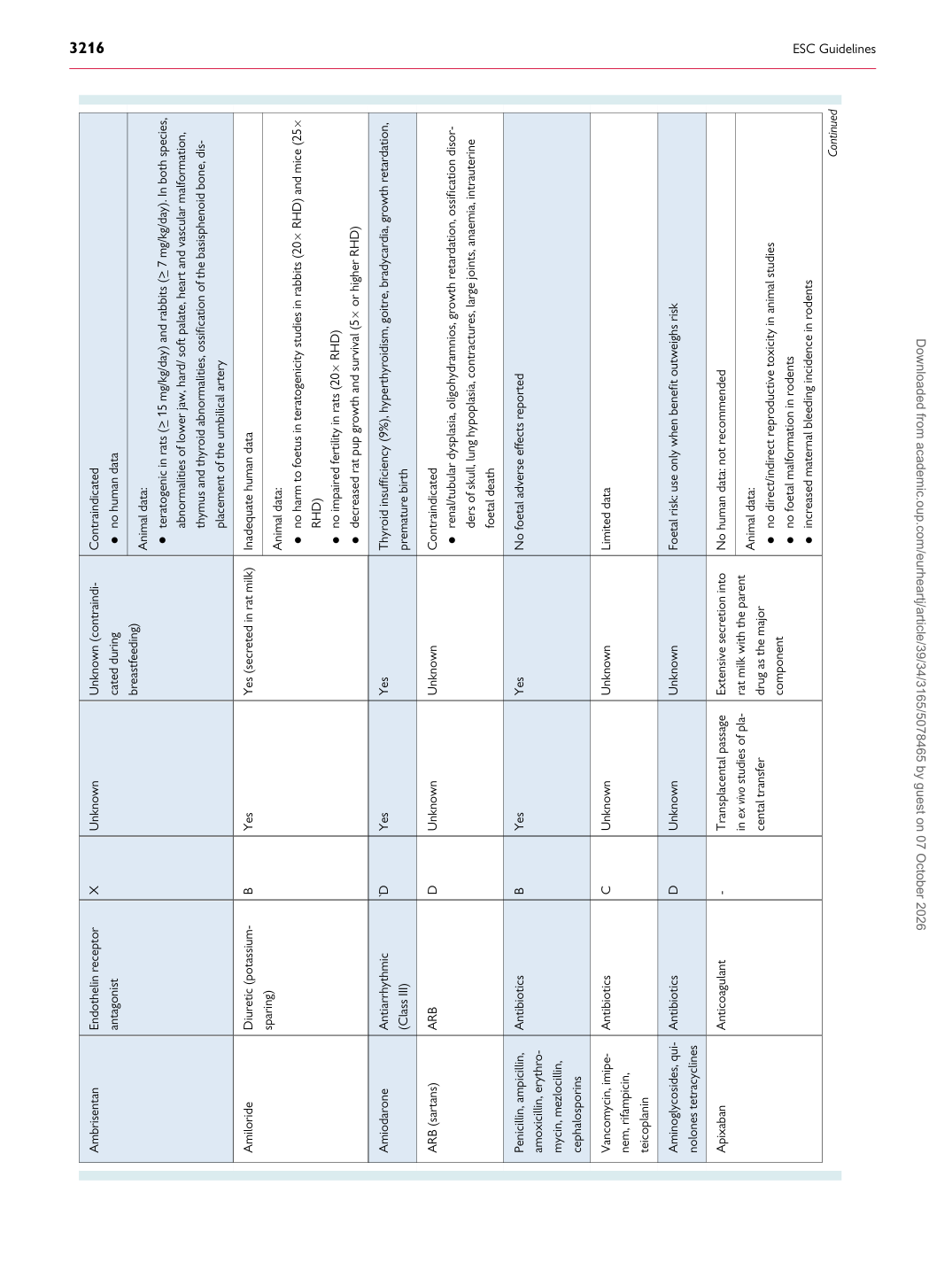
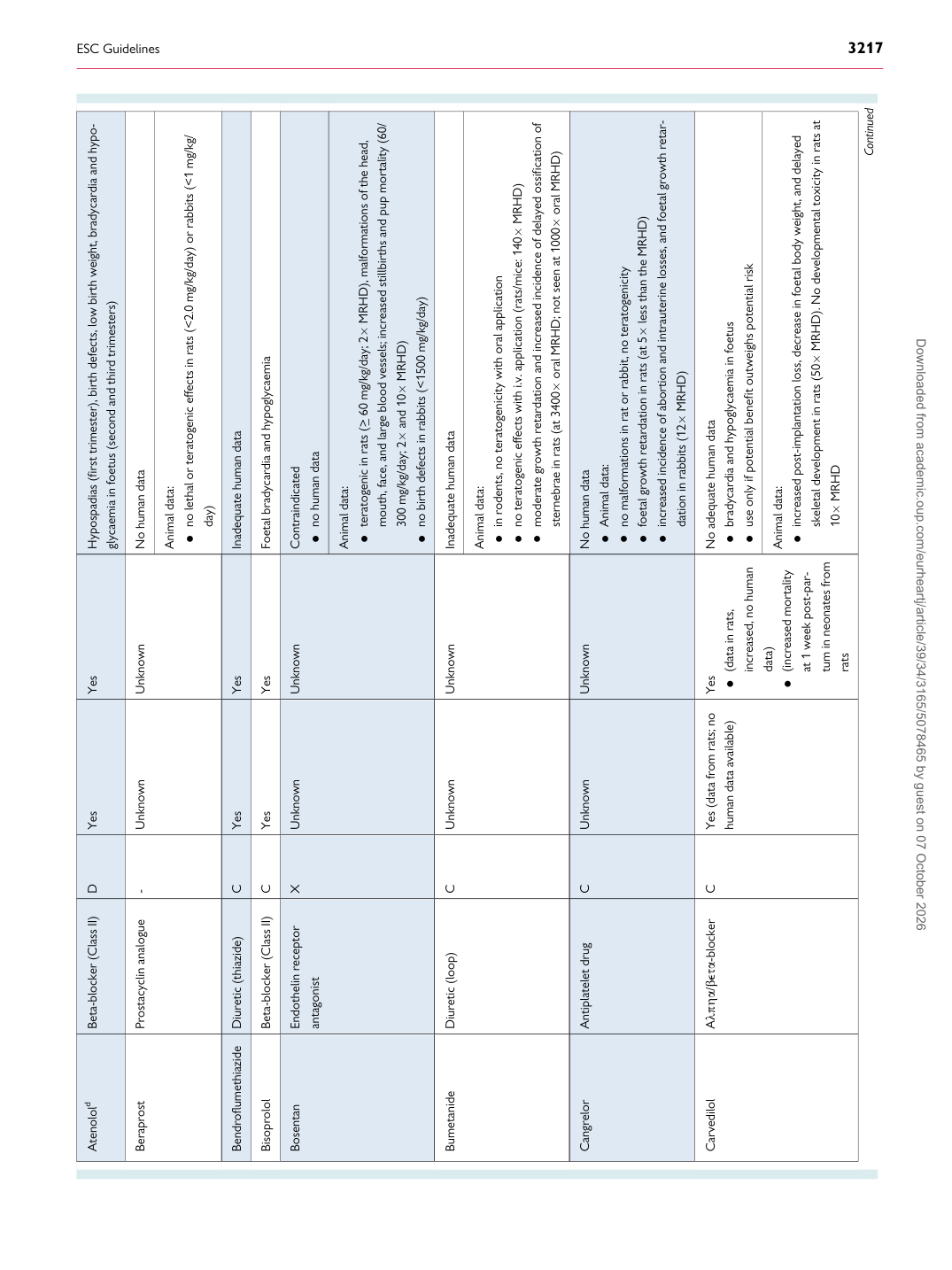
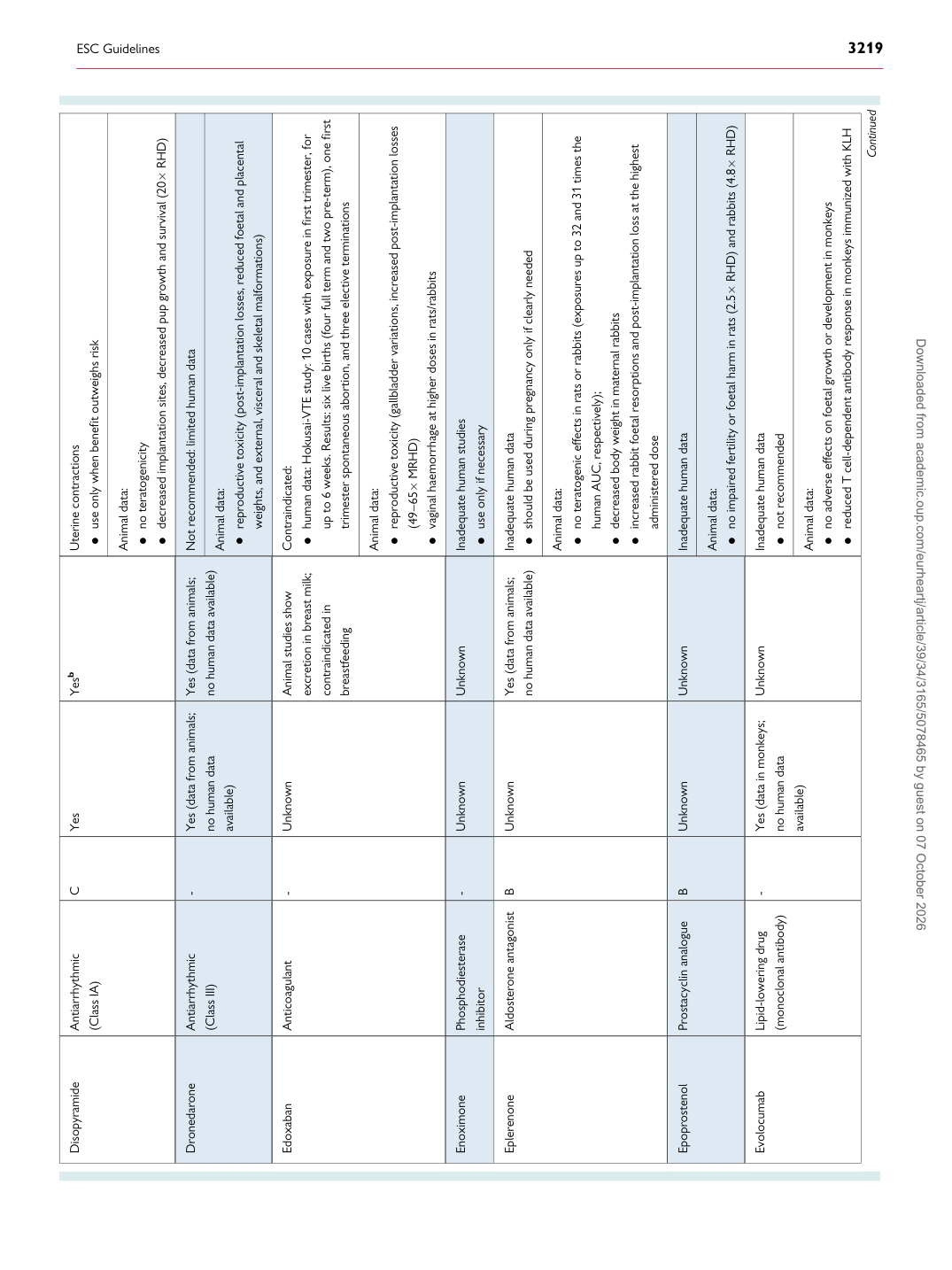
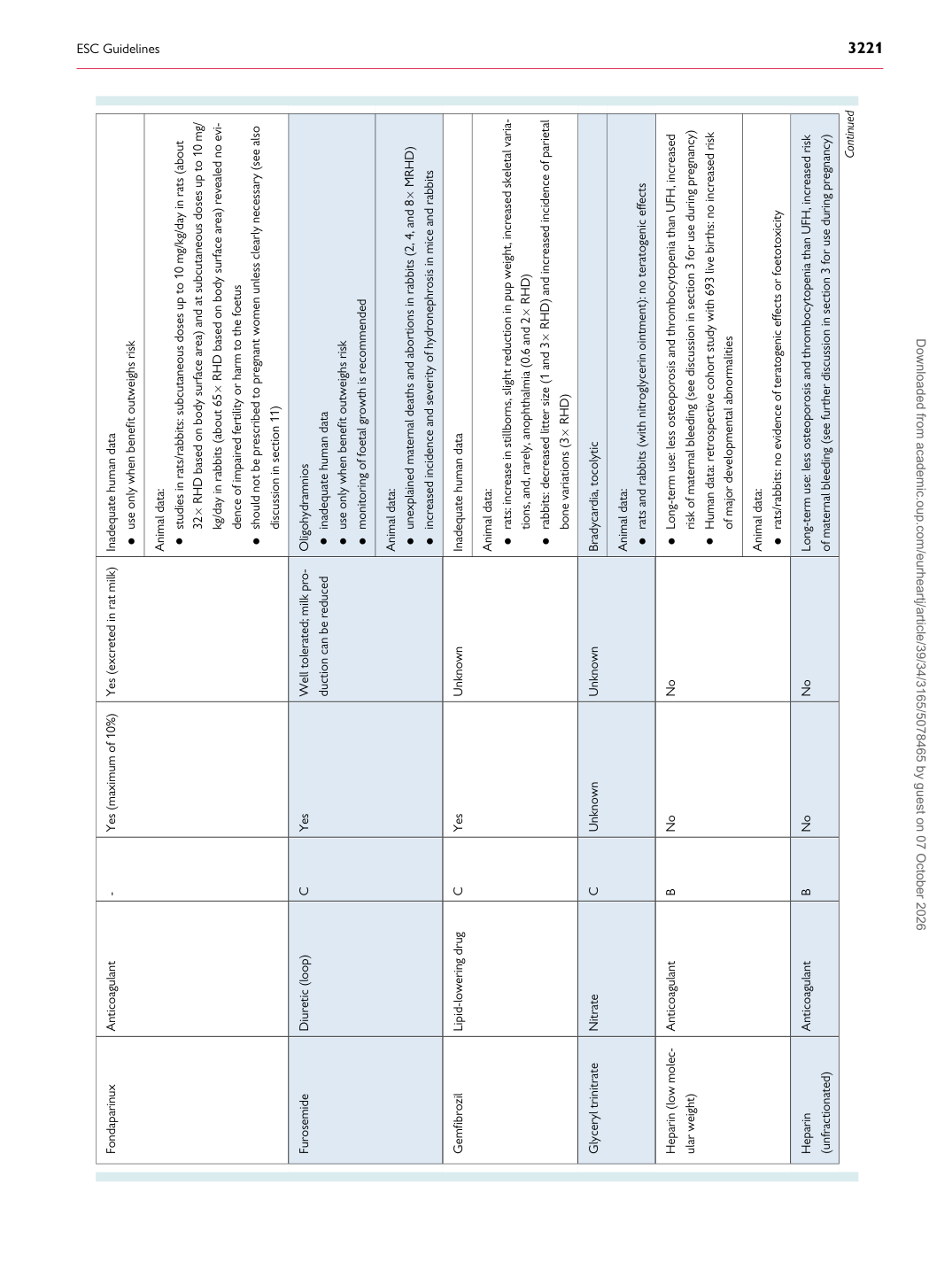
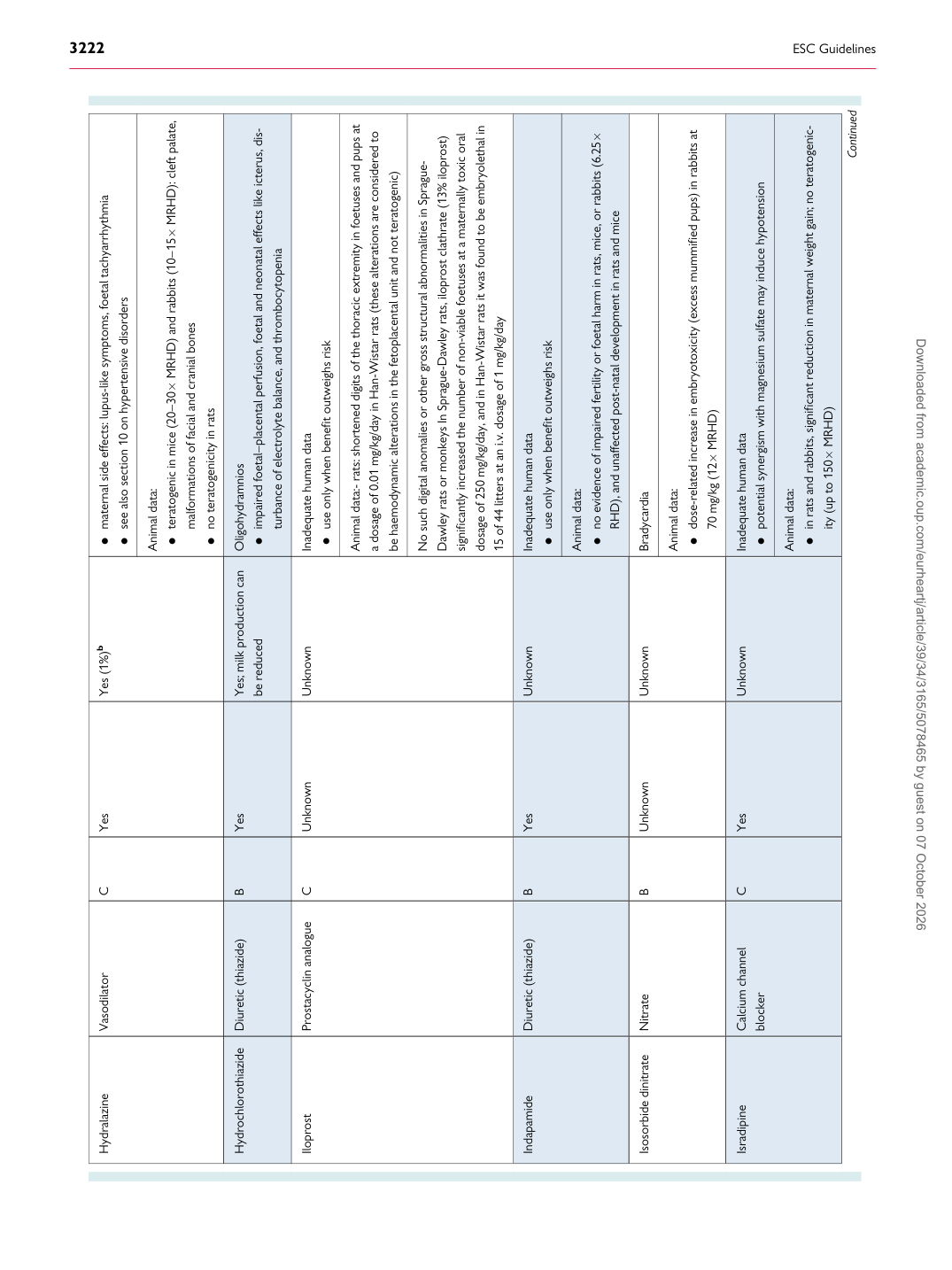
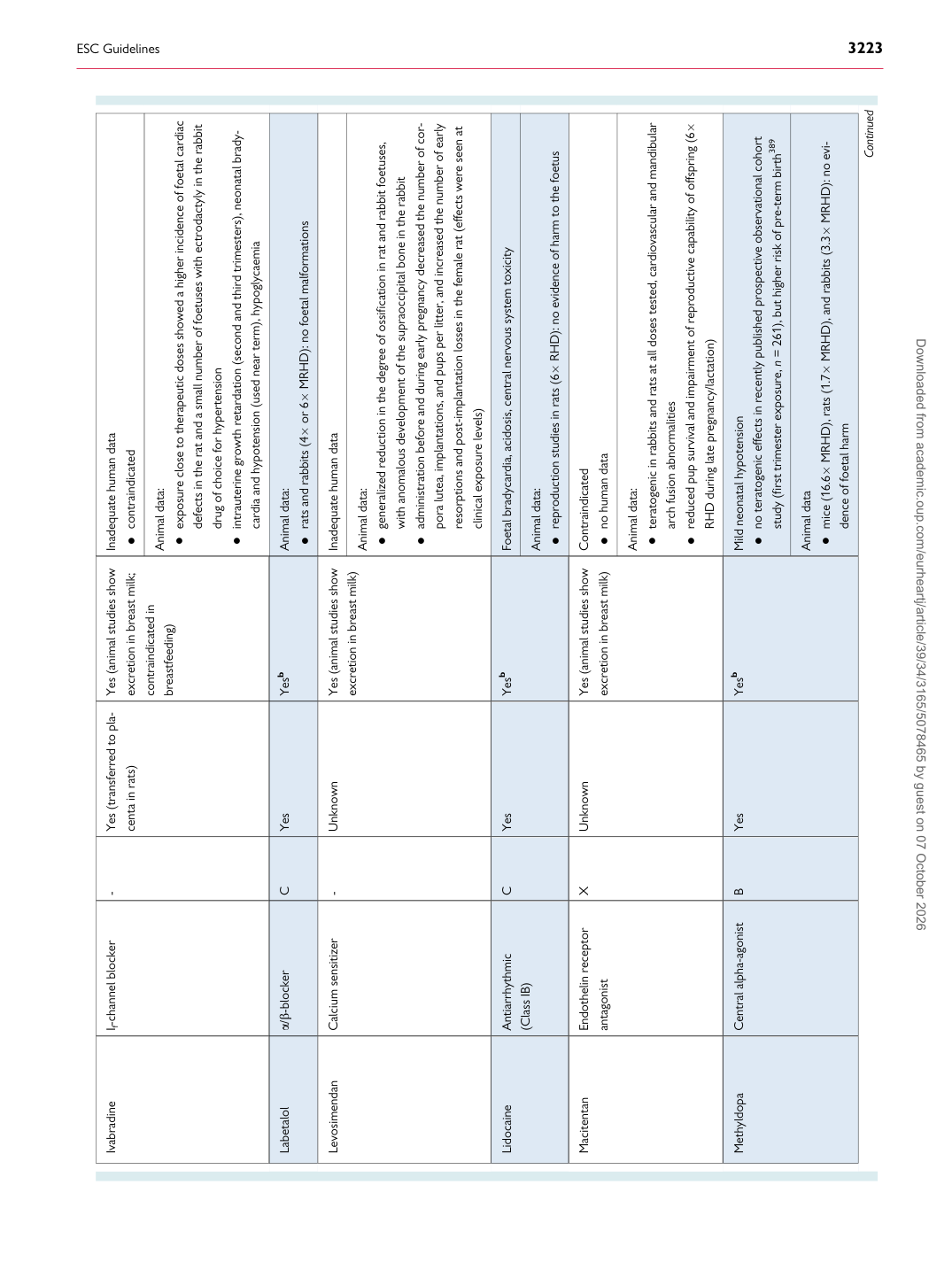
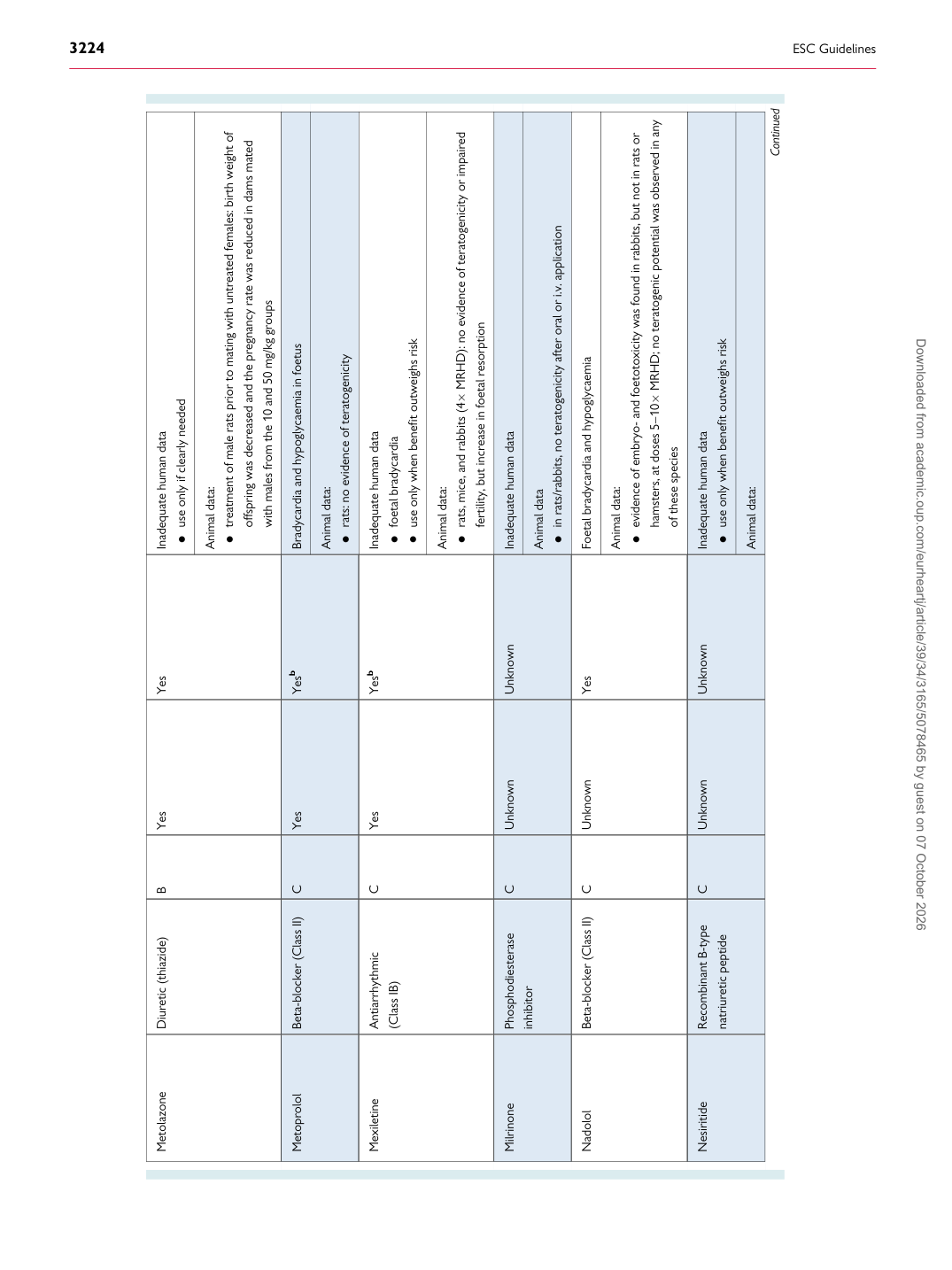
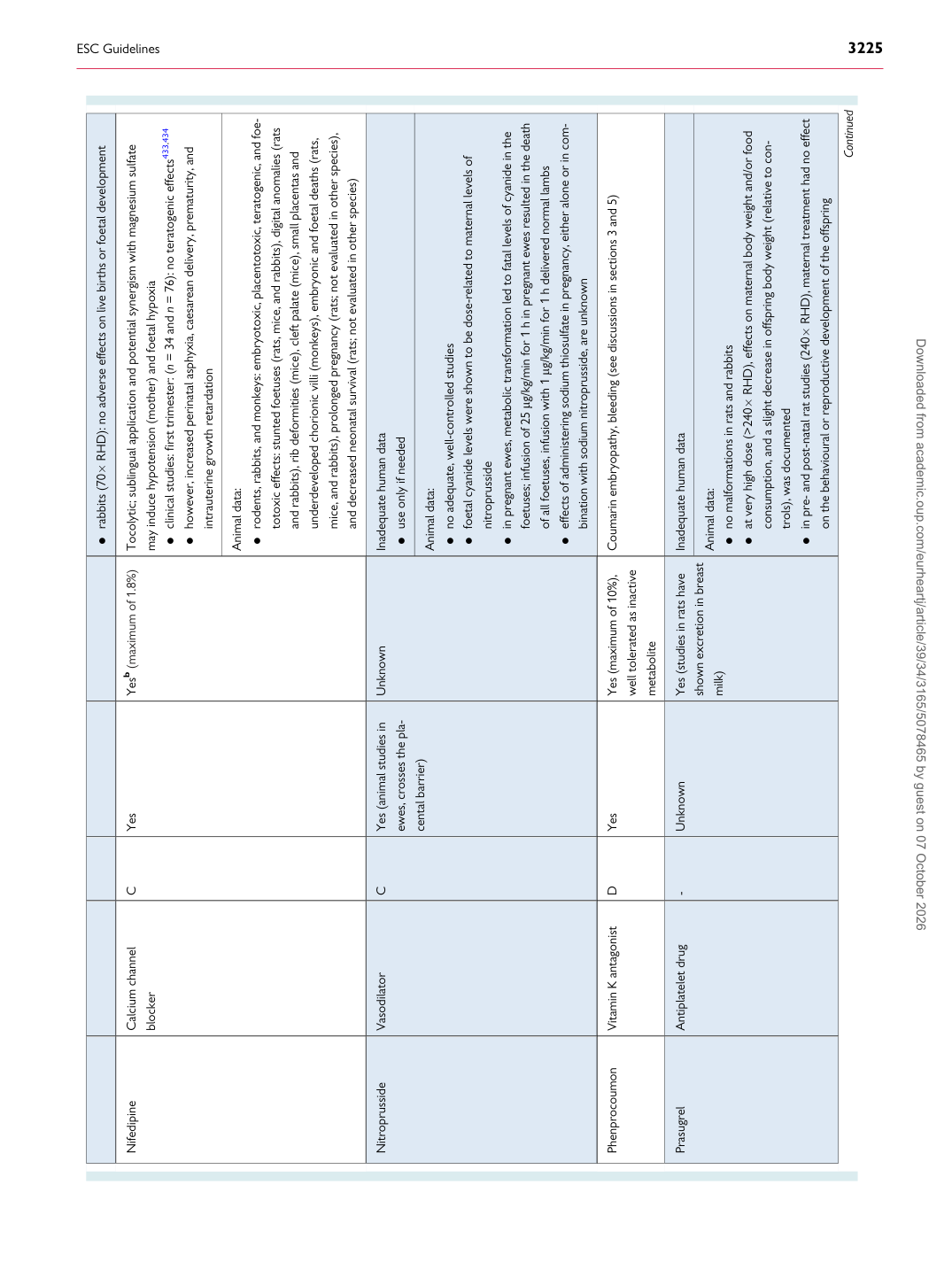
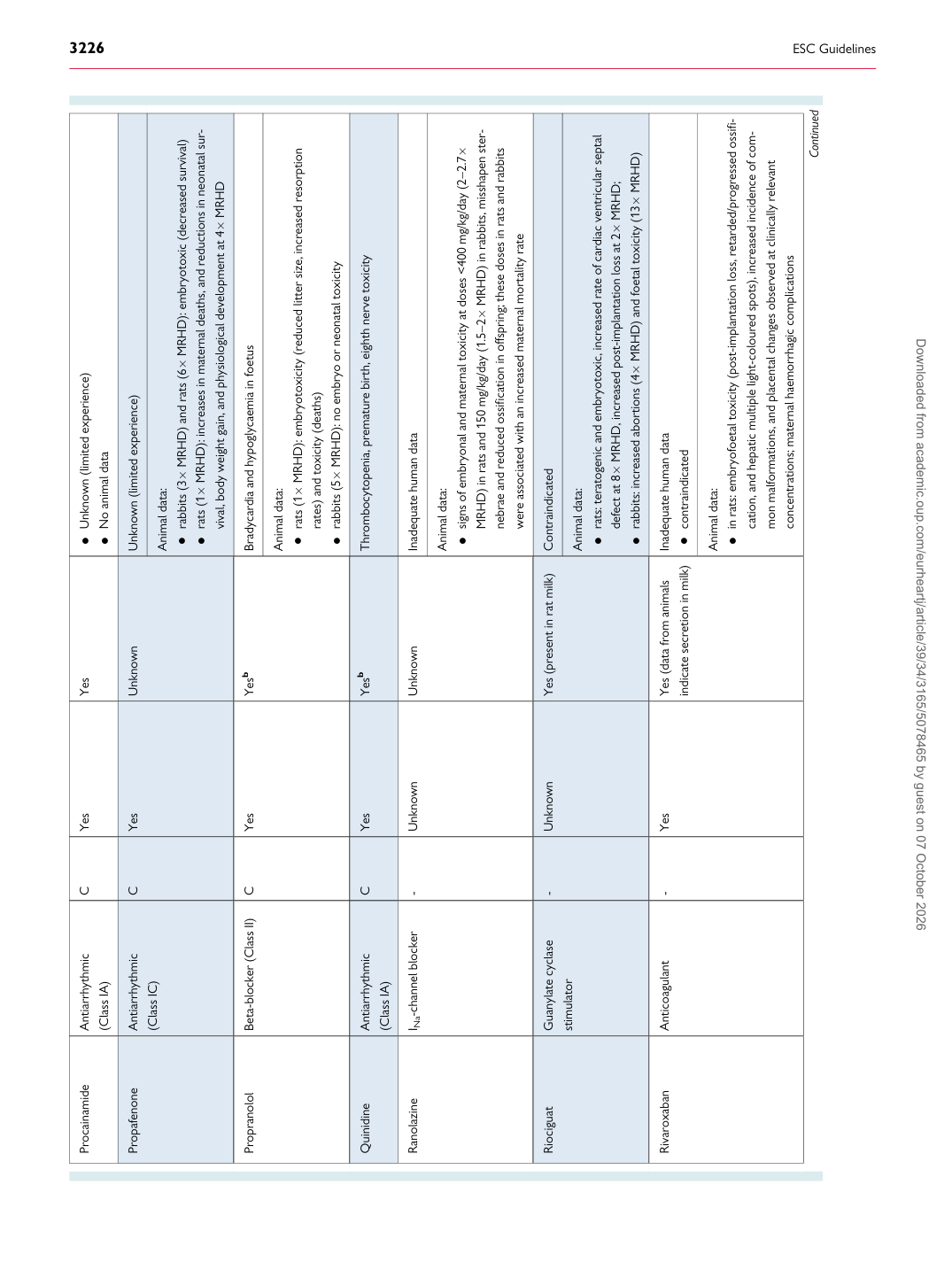
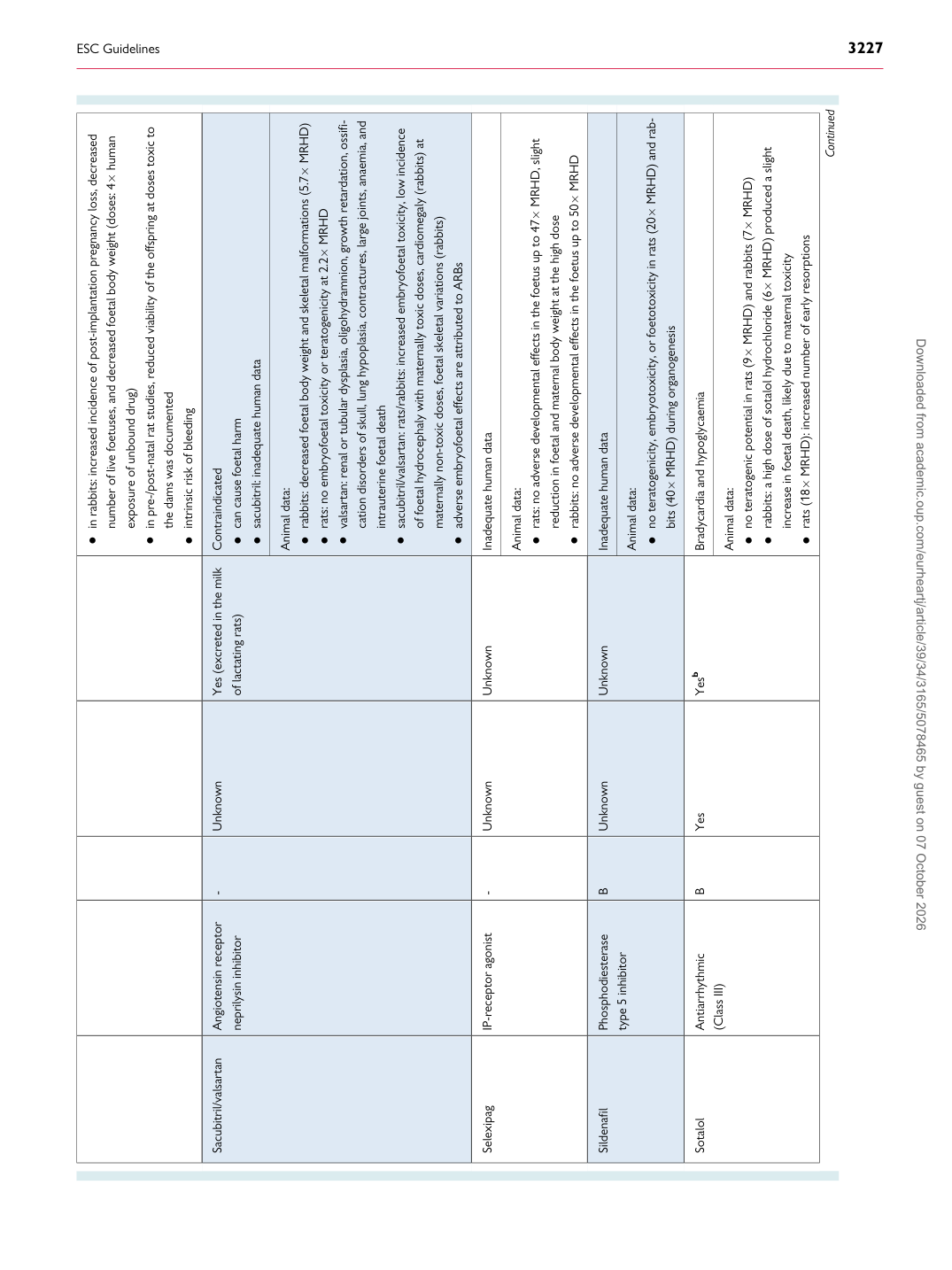
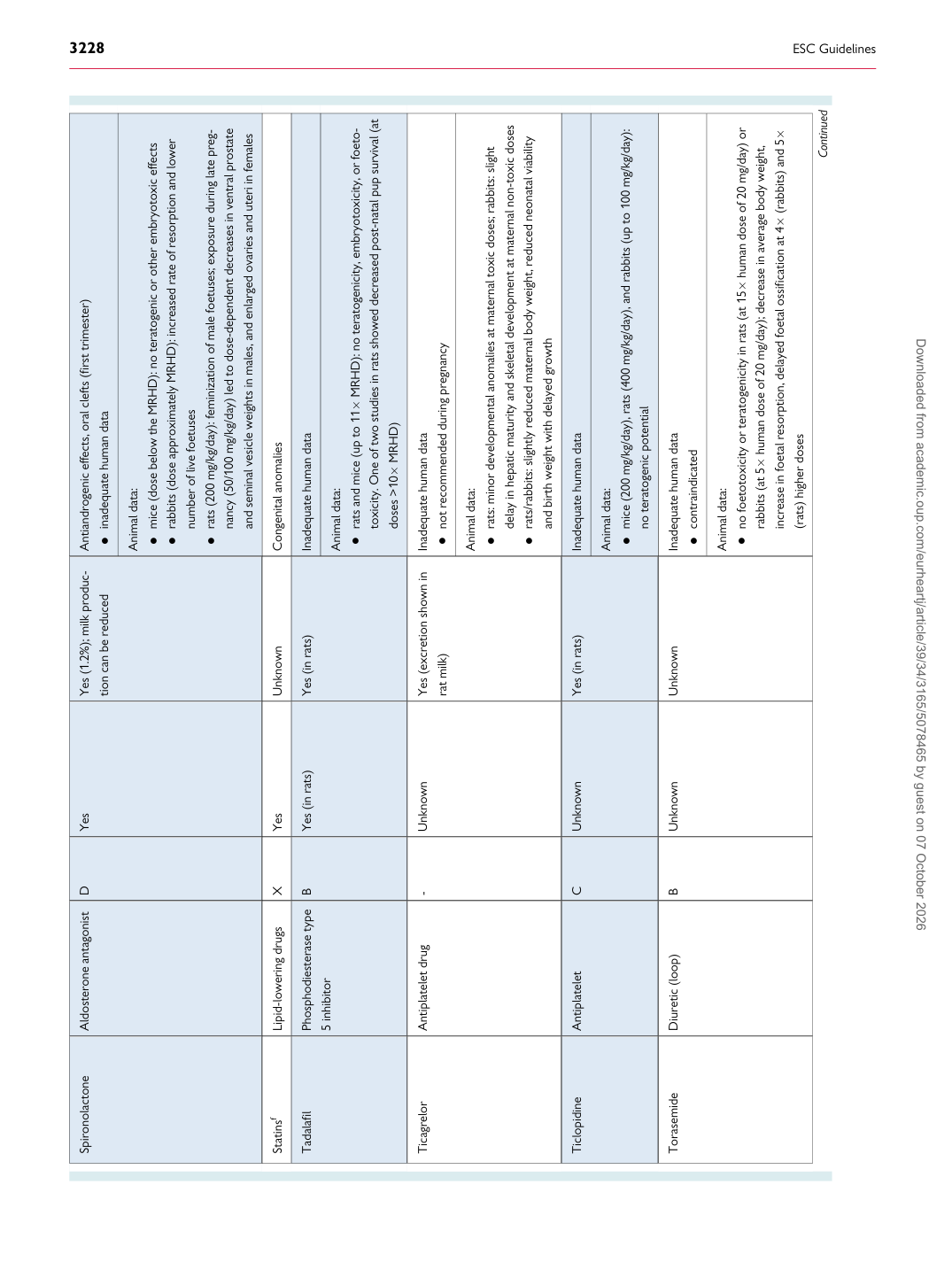
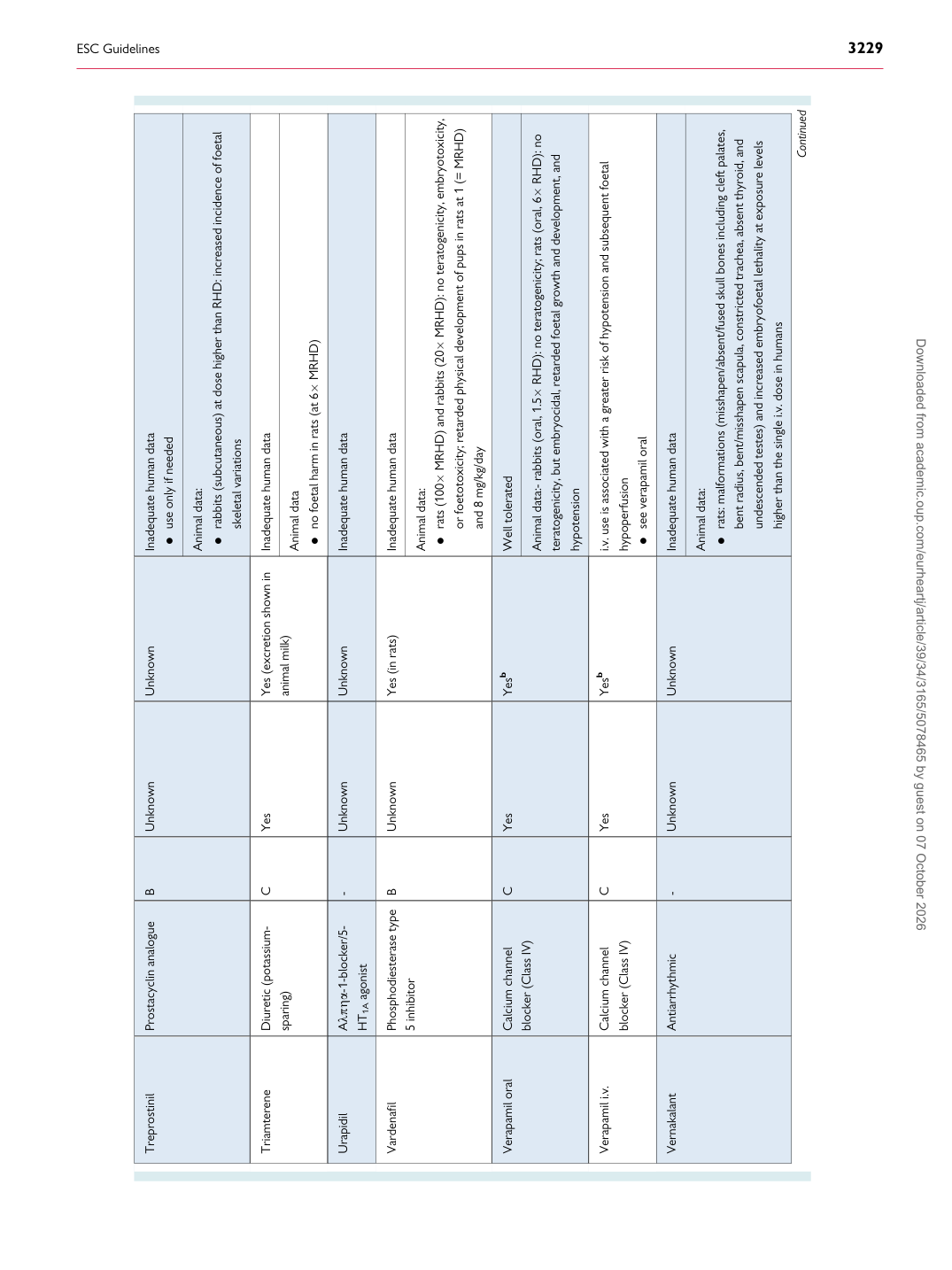
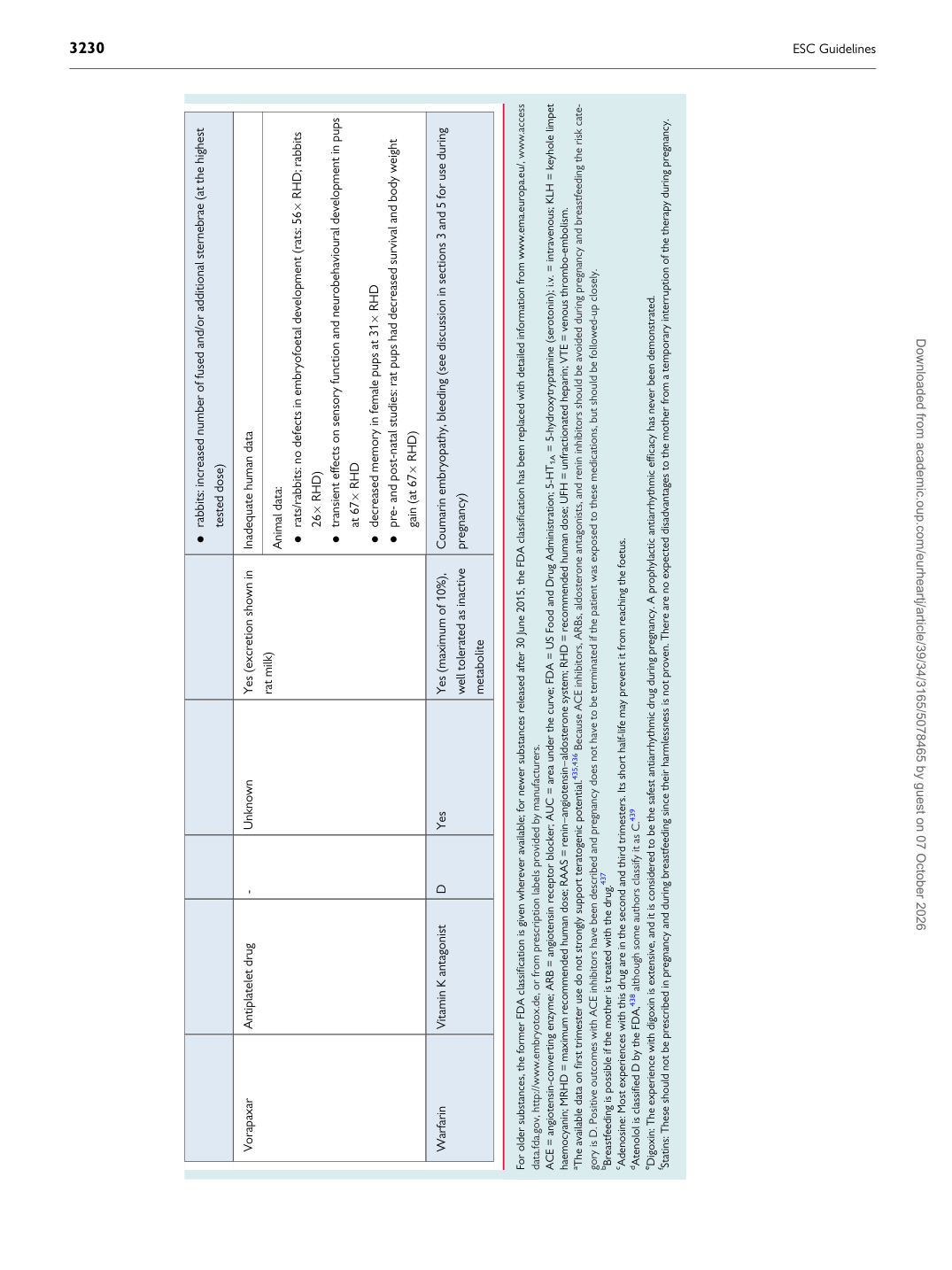
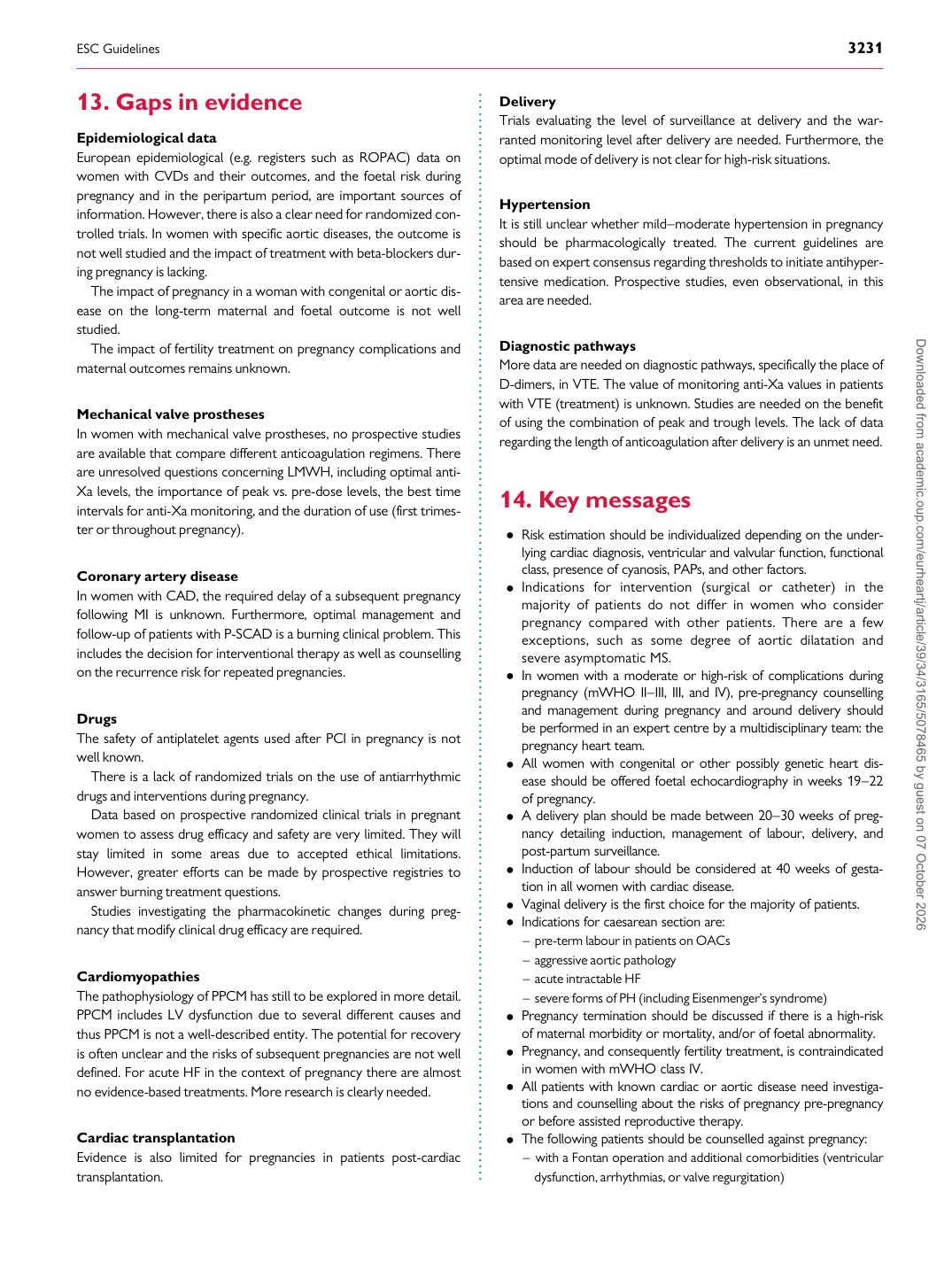
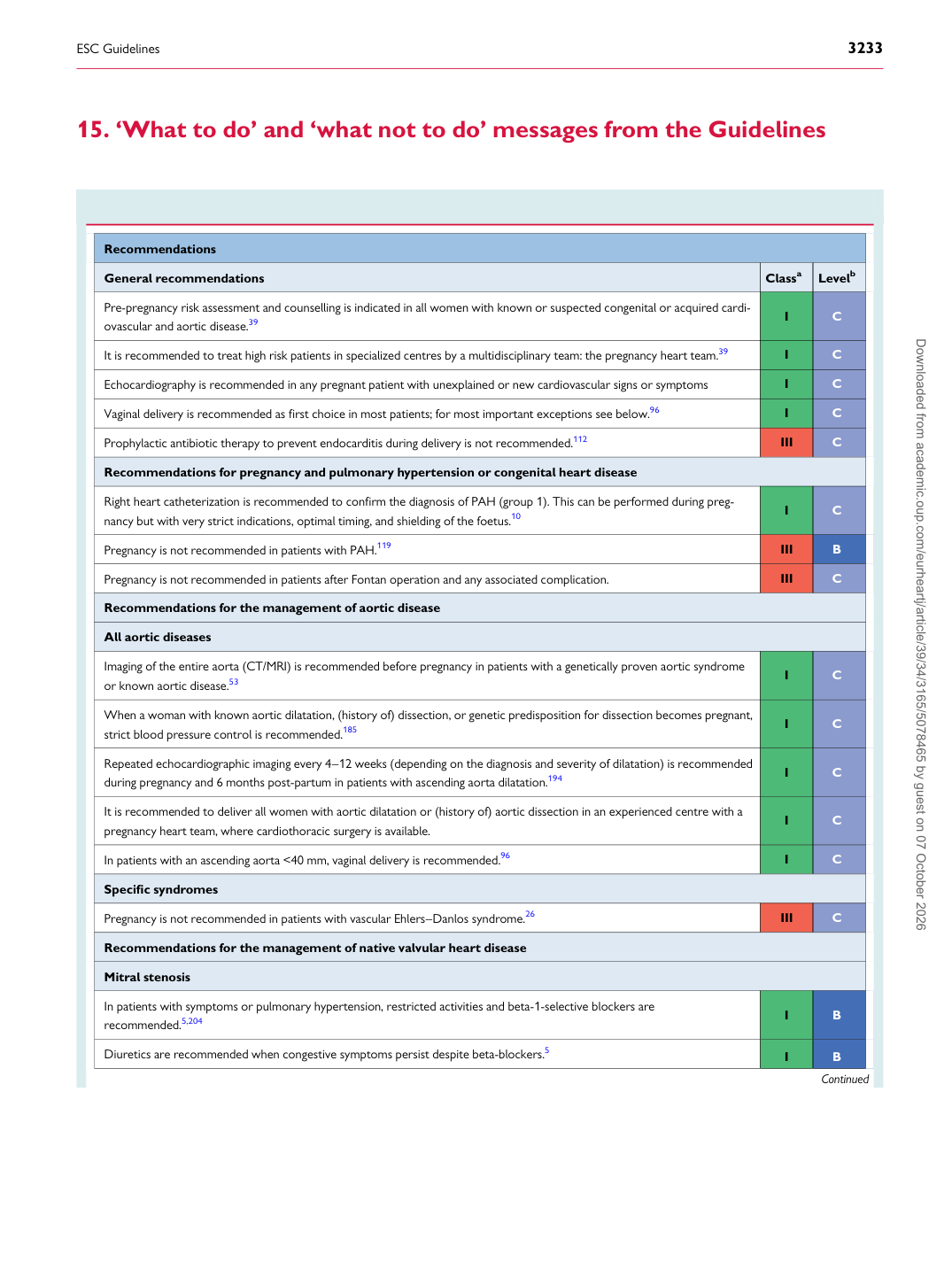
2018 ESC Guidelines for the management of1 cardiovascular diseases during pregnancy1 Table of Contents2 List of tables4 Abbreviations and acronyms4 1 Preamble5 2 Introduction7 2.1 Why do we need new Guidelines on7 2.2 New format of the Guidelines7 2.3 Why these Guidelines are important7 2.4 Methods7 2.5 What is new in the 2018 CVD in Pregnancy Guidelines? (Figure 1)8 3.1 Epidemiology9 3.2 Physiological adaptations to10 3.3 Pre-pregnancy counselling10 3.4 Cardiovascular diagnosis in12 3.5 Genetic testing and counselling13 3.6 Foetal assessment14 3.7 Interventions in the mother during14 3.8 Timing and mode of delivery: risk for15 3.9 Infective endocarditis16 3.10 Methods of contraception and17 3.11 Recommendations18 4 Congenital heart disease and18 pulmonary hypertension18 4.1 Introduction18 4.2 Pulmonary hypertension and19 4.3 Specific congenital heart defects20 4.4 Recommendations22 5 Aortic diseases22 5.2 Specific syndromes23 5.3 Management23 5.4 Recommendations25 6.1 Stenotic valve lesions26 6.2 Regurgitant lesions27 6.3 Atrial fibrillation in native heart valve27 6.4 Prosthetic valves27 6.5 Mechanical prostheses and28 6.6 Recommendations31 7.1 Aetiology33 7.2 Presentation and diagnosis33 7.3 Management33 7.4 Pharmacotherapy33 7.5 Intervention33 7.7 Labour and delivery34 7.8 Recommendations34 8 Cardiomyopathies and heart34 failure34 8.1 Peripartum cardiomyopathy34 8.2 Dilated cardiomyopathy34 8.3 Management of heart failure during35 8.4 Hypertrophic cardiomyopathy37 8.5 Recommendations38 9.1 Introduction39 9.2 Maternal risk39 9.3 Obstetric and offspring risk39 9.4 Supraventricular tachycardia39 9.5 Atrial fibrillation and atrial flutter39 9.6 Ventricular tachycardia39 9.7 Bradyarrhythmias40 9.8 Interventions40 2 I C41 3 I C41 9.9 Recommendations42 10.1 Diagnosis and risk assessment43 10.2 Definition and classification of43 10.3 Prevention of hypertension and43 10.4 Management of hypertension in44 10.5 Delivery44 10.7 Recommendations45 11.1 Epidemiology and maternal risk46 11.2 Risk factors for pregnancy-related46 11.3 Prevention of venous thrombo-46 11.4 Management of acute venous46 11.5 Recommendations47 12.1 General principles48 12.2 US Food and Drug Administration50 12.3 Internet databases50 12.4 Pharmaceutical industry50 12.5 Recommendations50 • use only if potential benefit outweighs potential risk51 • no animal reproduction studies51 • renal or tubular dysplasia, oligohydramnios, growth retardation, ossification dis-51 • see other RAAS blockers51 • no evidence of embryofoetal toxicity or teratogenicity at doses <_600 mg/kg/day51 • no human data52 • no harm to foetus in teratogenicity studies in rabbits (20� RHD) and mice (25� RHD)52 • no lethal or teratogenic effects in rats (<2.0 mg/kg/day) or rabbits (<1 mg/kg/53 • no human data53 300 mg/kg/day; 2� and 10� MRHD) • no birth defects in rabbits (<1500 mg/kg/day)53 • (increased mortality53 • increased post-implantation loss, decrease in foetal body weight, and delayed53 • treated with >_10� MRHD last trimester54 • day 22 of lactation)54 • no impaired fertility or foetotoxicity in rats (65� MRHD) and rabbits (78� MRHD)54 • use not recommend during pregnancy unless clearly necessary54 • female fertility: decrease in implantations/increase in pre-implantation loss54 • decrease in foetal body weight and embryofoetal viability in rodents (plasma54 • increased maternal bleeding (vaginal/uterine) in rodents54 • no impaired fertility or foetotoxicity in rats (8.7� RHD) and rabbits (6� RHD)54 • lupus-like symptoms (maternal/ foetal)54 • use only when benefit outweighs risk55 • human data: Hokusai-VTE study: 10 cases with exposure in first trimester, for55 • reproductive toxicity (gallbladder variations, increased post-implantation losses55 • vaginal haemorrhage at higher doses in rats/rabbits55 • use only if necessary55 • should be used during pregnancy only if clearly needed55 • no teratogenic effects in rats or rabbits (exposures up to 32 and 31 times the55 • no impaired fertility or foetal harm in rats (2.5� RHD) and rabbits (4.8� RHD)55 • not recommended55 • use only when benefit outweighs risk56 • increased incidence of extra thoracic ribs in rabbits (at 150� the human expo-56 • combination with statins in rats and rabbits during organogenesis results in56 • use only when benefit outweighs risk56 • embryocidal and teratogenic in rats (7–10� MRHD) and embryocidal in rabbits56 • in rats (9� MRHD before and throughout gestation): delayed delivery, increased56 • increase in foetal gross, visceral, and skeletal findings in rats (10� MRHD on day56 • abortions in 10–25% of dams (9–18� MRHD), death in 7% of foetuses (18�56 • no teratogenic effects in rats or mice (at 50 and 80 mg/kg/day, respectively), but56 • use only when benefit outweighs risk57 • studies in rats/rabbits: subcutaneous doses up to 10 mg/kg/day in rats (about57 • rats: increase in stillborns, slight reduction in pup weight, increased skeletal varia-57 • rabbits: decreased litter size (1 and 3� RHD) and increased incidence of parietal57 • rats and rabbits (with nitroglycerin ointment): no teratogenic effects57 • rats/rabbits: no evidence of teratogenic effects or foetotoxicity57 • no teratogenicity in rats58 • impaired foetal–placental perfusion, foetal and neonatal effects like icterus, dis-58 • use only when benefit outweighs risk58 • no evidence of impaired fertility or foetal harm in rats, mice, or rabbits (6.25�58 • dose-related increase in embryotoxicity (excess mummified pups) in rabbits at58 • potential synergism with magnesium sulfate may induce hypotension58 • in rats and rabbits, significant reduction in maternal weight gain; no teratogenic-58 • contraindicated59 • exposure close to therapeutic doses showed a higher incidence of foetal cardiac59 • intrauterine growth retardation (second and third trimesters), neonatal brady-59 • rats and rabbits (4� or 6� MRHD): no foetal malformations59 • administration before and during early pregnancy decreased the number of cor-59 • reproduction studies in rats (6� RHD): no evidence of harm to the foetus59 • no human data59 • reduced pup survival and impairment of reproductive capability of offspring (6�59 • no teratogenic effects in recently published prospective observational cohort59 • mice (16.6� MRHD), rats (1.7� MRHD), and rabbits (3.3� MRHD): no evidence of foetal harm59 • use only if clearly needed60 • treatment of male rats prior to mating with untreated females: birth weight of60 • rats: no evidence of teratogenicity60 • foetal bradycardia • use only when benefit outweighs risk60 • in rats/rabbits, no teratogenicity after oral or i.v. application60 • evidence of embryo- and foetotoxicity was found in rabbits, but not in rats or60 • use only when benefit outweighs risk60 • rabbits (70� RHD): no adverse effects on live births or foetal development61 • however, increased perinatal asphyxia, caesarean delivery, prematurity, and61 • use only if needed61 • in pregnant ewes, metabolic transformation led to fatal levels of cyanide in the61 • effects of administering sodium thiosulfate in pregnancy, either alone or in com-61 • in pre- and post-natal rat studies (240� RHD), maternal treatment had no effect61 • rats (1� MRHD): embryotoxicity (reduced litter size, increased resorption62 • rabbits (5� MRHD): no embryo or neonatal toxicity62 • signs of embryonal and maternal toxicity at doses <400 mg/kg/day (2–2.7�62 • rats: teratogenic and embryotoxic, increased rate of cardiac ventricular septal62 • rabbits: increased abortions (4� MRHD) and foetal toxicity (13� MRHD)62 • contraindicated62 • in rats: embryofoetal toxicity (post-implantation loss, retarded/progressed ossifi-62 • in rabbits: increased incidence of post-implantation pregnancy loss, decreased63 • in pre-/post-natal rat studies, reduced viability of the offspring at doses toxic to63 • intrinsic risk of bleeding63 • can cause foetal harm • sacubitril: inadequate human data63 • sacubitril/valsartan: rats/rabbits: increased embryofoetal toxicity, low incidence63 • adverse embryofoetal effects are attributed to ARBs63 • rats: no adverse developmental effects in the foetus up to 47� MRHD, slight63 • rabbits: no adverse developmental effects in the foetus up to 50� MRHD63 • no teratogenicity, embryotoxicity, or foetotoxicity in rats (20� MRHD) and rab-63 • rats (18� MRHD): increased number of early resorptions63 • inadequate human data64 • rats (200 mg/kg/day): feminization of male foetuses; exposure during late preg-64 • rats and mice (up to 11� MRHD): no teratogenicity, embryotoxicity, or foeto-64 • not recommended during pregnancy64 • rats: minor developmental anomalies at maternal toxic doses; rabbits: slight64 • contraindicated64 • use only if needed65 • rabbits (subcutaneous) at dose higher than RHD: increased incidence of foetal65 • no foetal harm in rats (at 6� MRHD)65 • see verapamil oral65 • rabbits: increased number of fused and/or additional sternebrae (at the highest66 14 Key messages67 15 ‘What to do’ and ‘what not to do’ messages from the Guidelines69
p.1
p.2
p.3
p.4
p.5
p.6
p.7
p.8
p.9
p.10
p.11
p.12
p.13
p.14
p.15
p.16
p.17
p.18
p.19
p.20
p.21
p.22
p.23
p.24
p.25
p.26
p.27
p.28
p.29
p.30
p.31
p.32
p.33
p.34
p.35
p.36
p.37
p.38
p.39
p.40
p.41
p.42
p.43
p.44
p.45
p.46
p.47
p.48
p.49
p.50
p.51
p.52
p.53
p.54
p.55
p.56
p.57
p.58
p.59
p.60
p.61
p.62
p.63
p.64
p.65
p.66
p.67
p.68
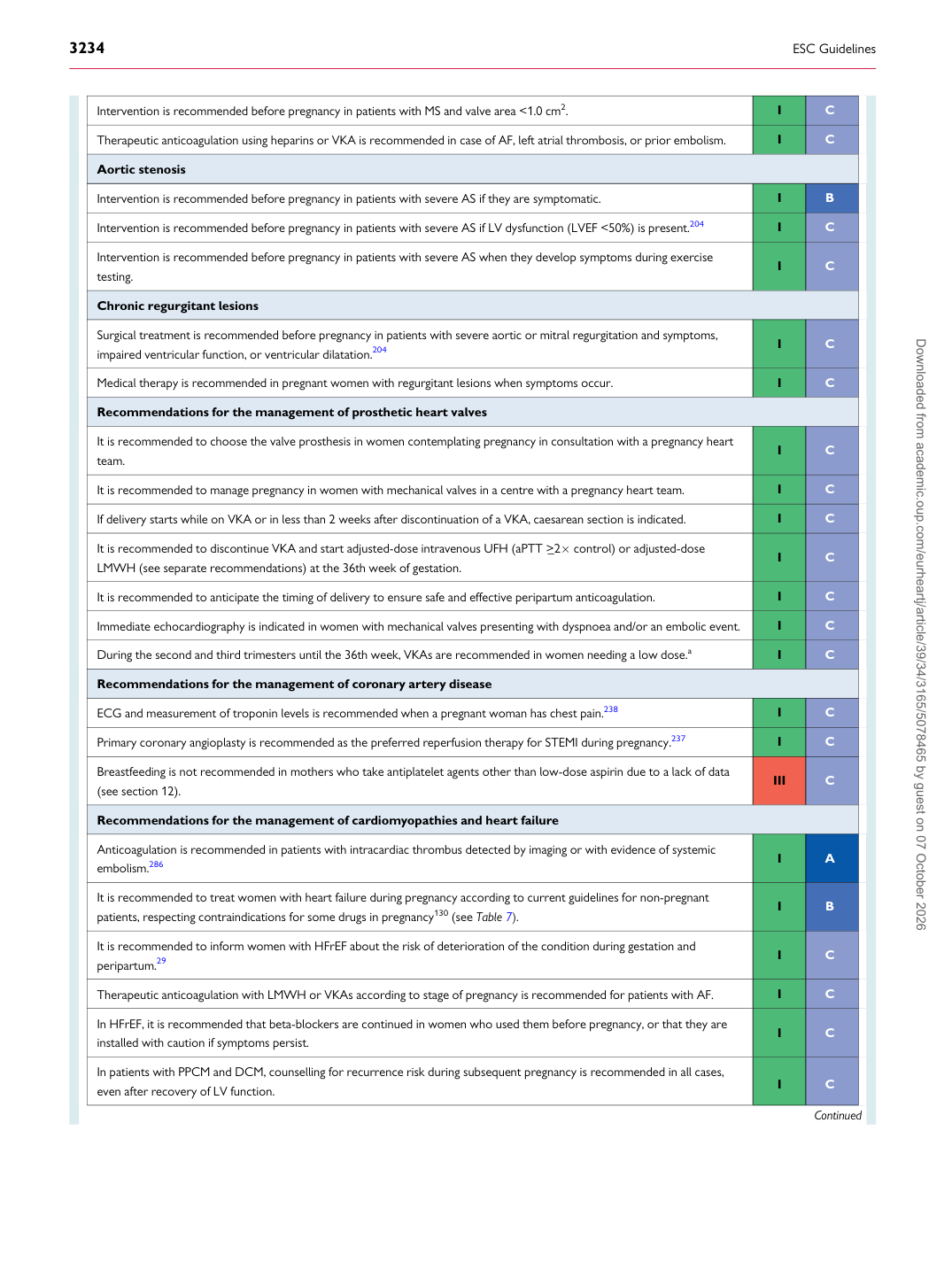
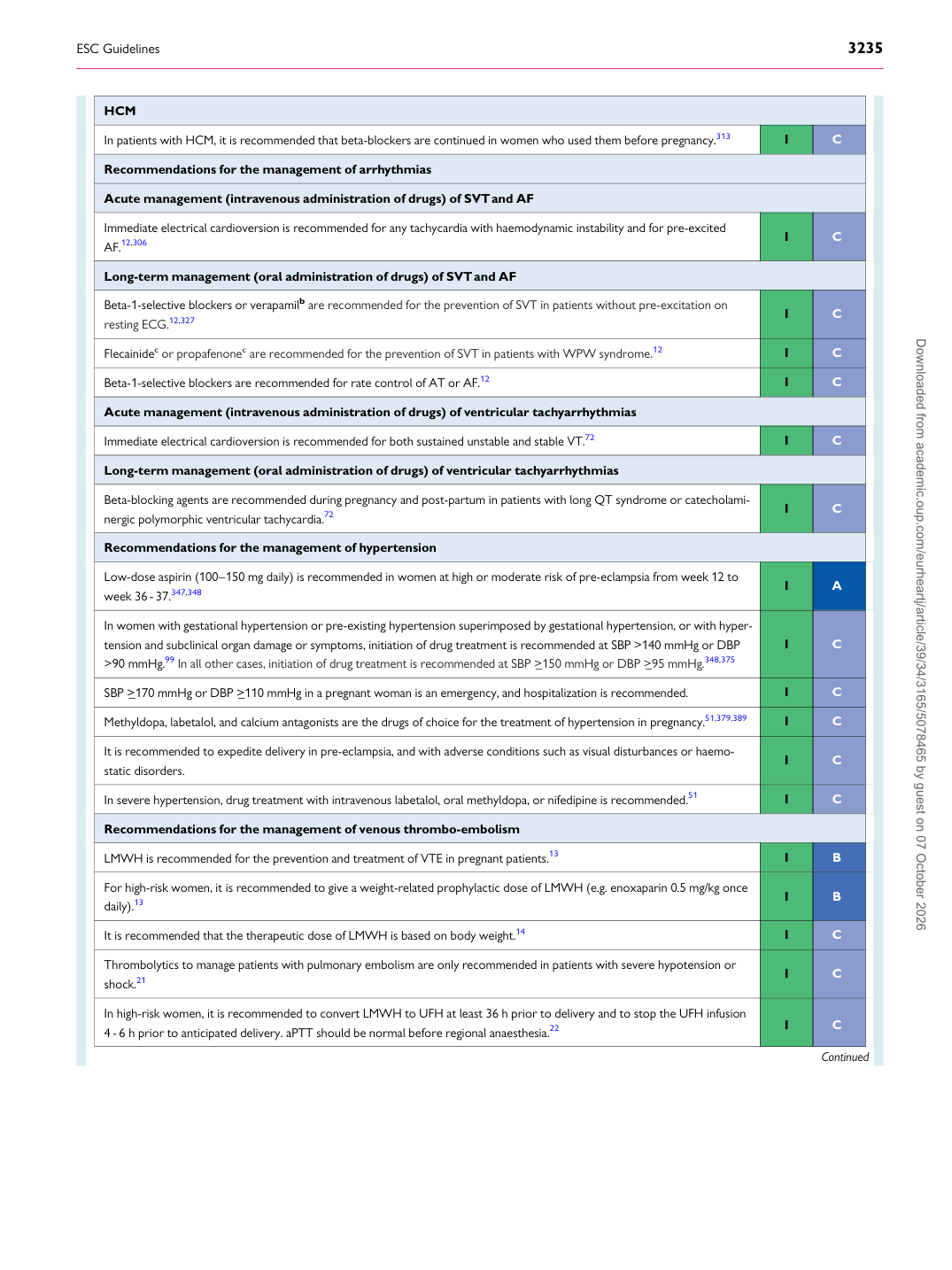
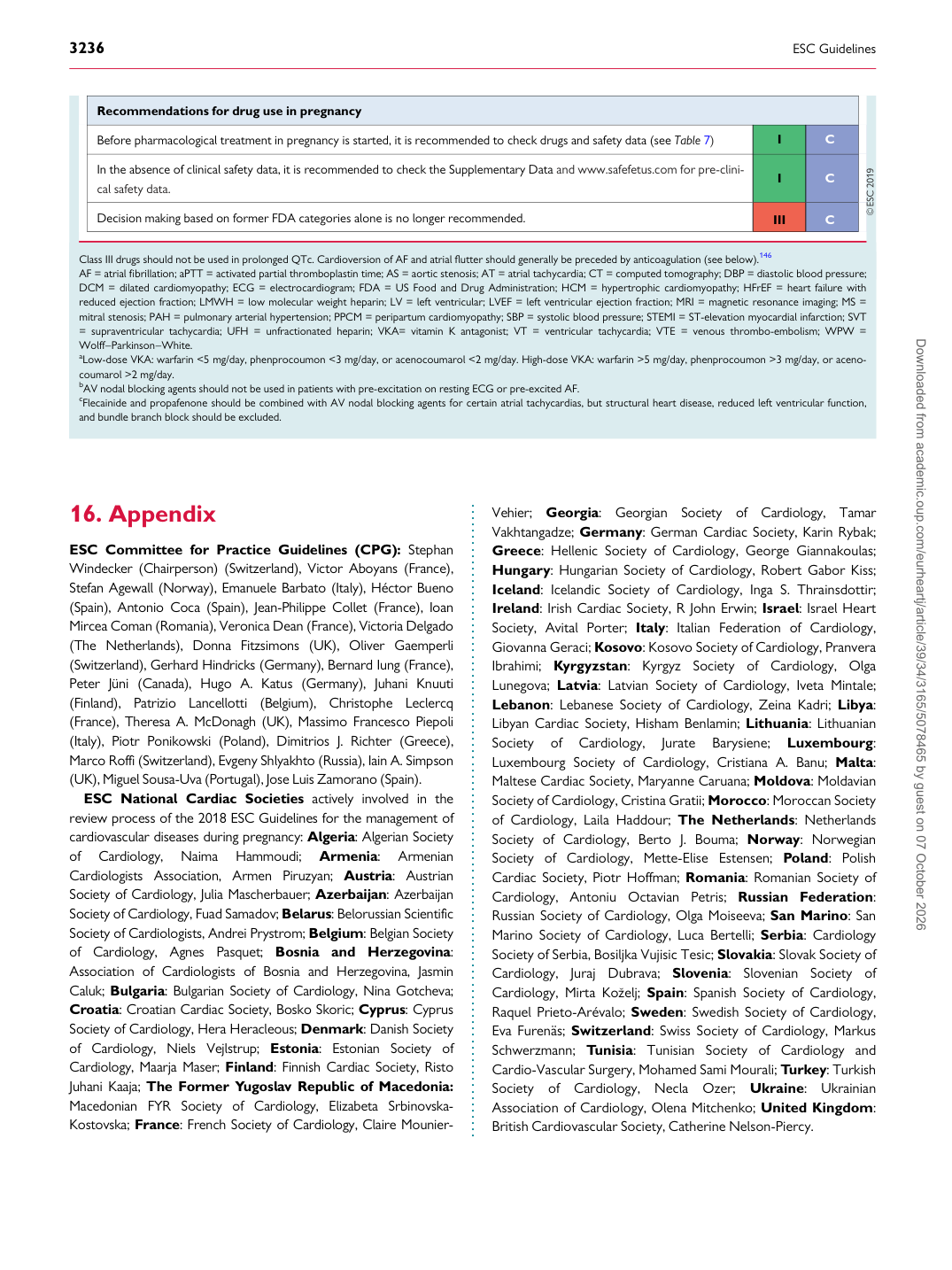
p.69
p.70
p.71
p.72
p.73
p.74
p.75
p.76
p.77
p.78
p.79
p.80
p.81
p.82
p.83
p.84
🔍 検索💬 AI📚 閲覧☰ 一覧🔔 更新2